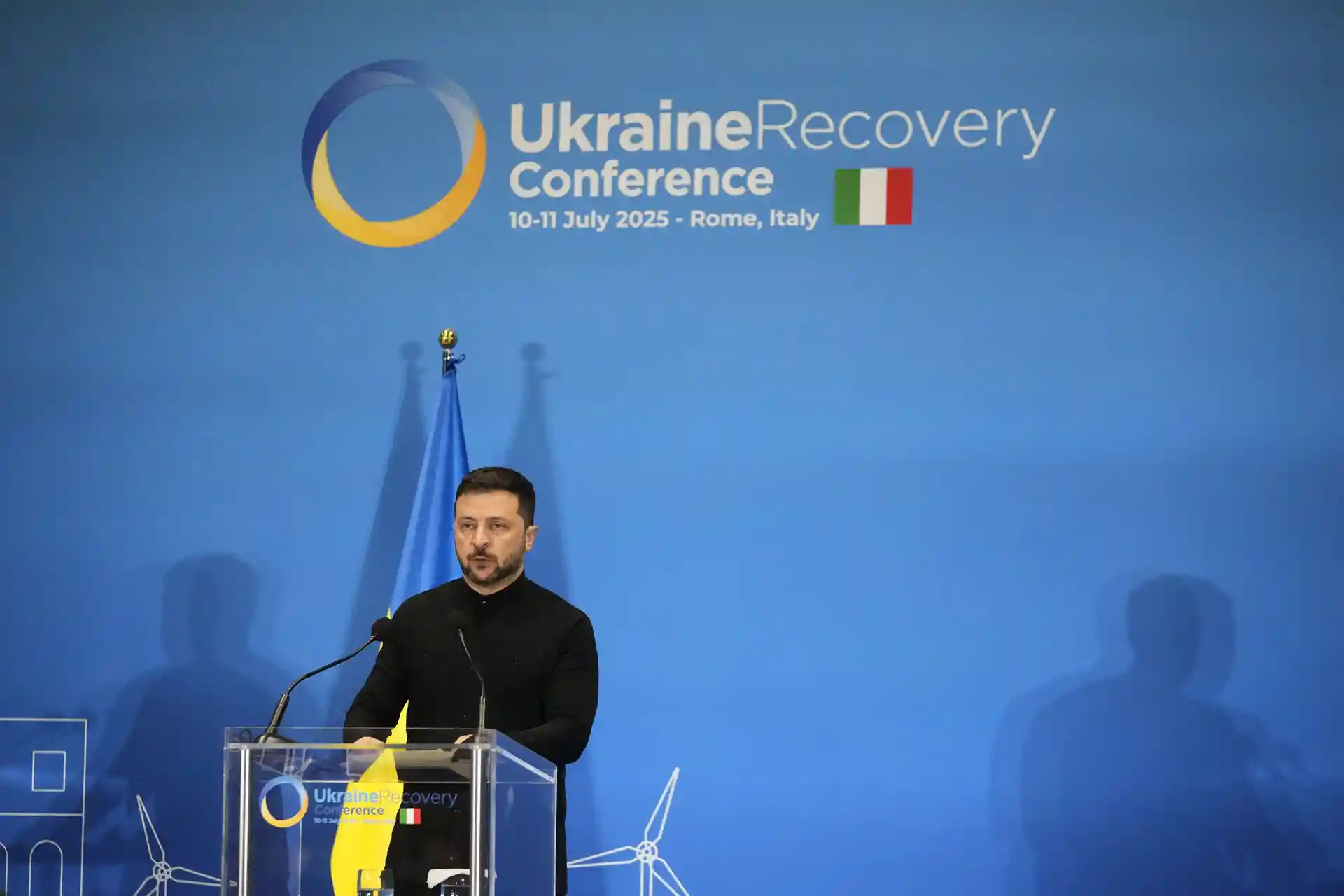
Ukrainian President Volodymyr Zelenskyy arrived in Rome amid escalating attacks from Russia, stepping into the Ukraine Recovery Conference not merely as a statesman seeking reconstruction aid, but as a leader in wartime diplomacy. Over 6,000 global delegates from 70 countries convened in the Italian capital on 10–11 July 2025, as a massive Russian drone offensive loomed—more than 700 drones launched in one night alone. The urgency of the moment shifted the conference’s priorities sharply. The result was not just pledges, but tangible military backing, including a long-term British missile deal, increased defense production partnerships, and a focused push on interceptor drone technology.
Britain Commits Over 5,000 Thales Missiles in Landmark Agreement
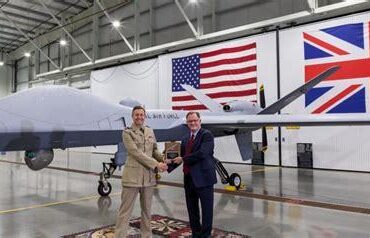
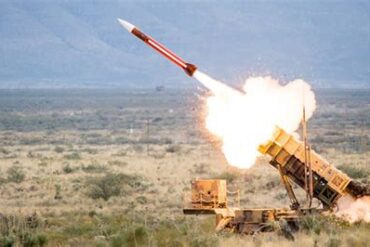
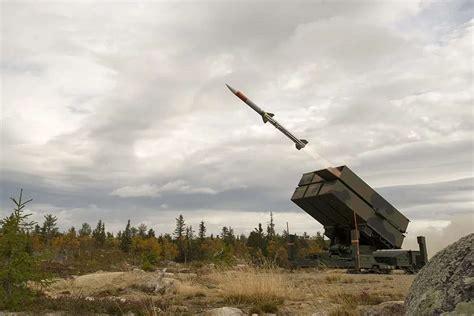
Perhaps the most consequential development was the 19-year bilateral agreement between the United Kingdom and Ukraine, signed during the summit. The deal unlocks financing for over 5,000 Thales-manufactured air defense missiles, reinforcing Ukrainian skies with one of the most advanced European munitions portfolios available. These missiles, designed to intercept fast-moving aerial threats, will be integrated into Ukraine’s growing air defense network—an urgent necessity in the face of Moscow’s saturation drone and missile campaigns.
The significance of this agreement cannot be overstated. Thales’ missiles are compatible with multiple launch systems and offer precise, short-to-medium range defensive capabilities. Their role will be central to neutralizing Shahed drones and Kalibr cruise missiles, which Russia continues to use indiscriminately against urban centers and infrastructure.
U.S. Defense Industrial Collaboration: Production on American Soil
Ukraine’s strategy at Rome extended beyond immediate resupply. Discussions with U.S. delegates and industrial partners emphasized joint production ventures—a crucial evolution from donor-recipient dynamics to strategic defense partnerships. According to Deputy Head of the Office of the President, Pavlo Palisa, negotiations now include establishing Ukrainian defense production capability within U.S. facilities. This includes drones, counter-UAV systems, and potentially components for air defense platforms.
The logic is twofold: First, it insulates Ukraine’s production pipeline from the immediate vulnerabilities of warfare. Second, it deepens Western investment in Ukrainian military innovation, a move with both military and diplomatic resonance.
This shift toward collaborative manufacturing was backed by supportive talks with senior officials from Italy, Poland, the Netherlands, and Germany. The leaders signaled willingness to finance and host Ukrainian-led production initiatives, a step that could rapidly accelerate both defense capacity and economic stabilization.
Patriot Systems and European Backing: Layered Defense Strengthens
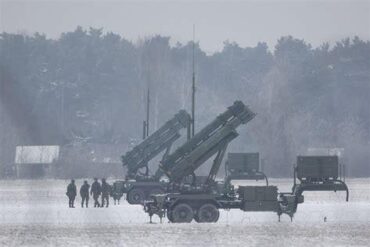
While the conference’s headline achievements focused on missiles and drones, quieter yet equally impactful progress was made in the realm of high-tier air defense systems. Ukraine is in active talks with the United States regarding the transfer of up to 10 Patriot systems, with the dialogue elevated to the presidential level.
Germany has already pledged funding for two Patriot batteries, while Norway has committed to at least one. These systems, with proven effectiveness against ballistic missiles and aircraft, represent the upper tier of Ukraine’s multi-layered air shield. Once manufacturing capacity aligns with financing commitments, additional European partners are expected to join the initiative.
Each Patriot battery significantly expands Ukraine’s protected zone, offering 360-degree coverage and scalable architecture. They complement the mid-range capabilities of the Thales missile deal and the tactical agility provided by domestically produced interceptor drones.
Interceptor Drones: Ukraine’s Technological Edge
As the battlefield shifts toward autonomous and AI-assisted combat systems, Ukraine is investing aggressively in interceptor drone technology. Palisa revealed that the topic arose in nearly every bilateral meeting in Rome—a clear recognition that technology will dictate future battlefield outcomes.
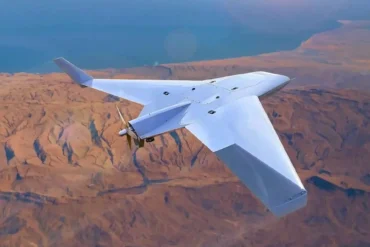
Ukraine’s domestic drone industry, already hardened by necessity, now seeks scale. The goal is not just to meet today’s demands but to develop resilient, adaptive drone platforms that can outmaneuver, jam, or destroy incoming threats autonomously. The Rome conference brought forward offers of investment, supply chain integration, and research partnerships from across Europe.
Notably, discussions included building joint drone R&D centers in coordination with Italian and Dutch tech firms, and expanding access to secure European semiconductor sources critical for onboard guidance and targeting.
Silent Progress: Unannounced Agreements Behind Closed Doors
While key agreements were publicized, Palisa confirmed that several outcomes were kept intentionally classified to avoid tipping strategic hands to the Kremlin. These include specifics about shipment timetables, platform configurations, and cyber defense components. Such discretion underscores a new phase of the conflict where information warfare is just as critical as kinetic defense.
Sources indicated that clandestine coordination also includes enhanced satellite surveillance, real-time battlefield analytics, and underground transport systems for command centers. These tools are intended to protect both personnel and strategic infrastructure from deep-strike Russian operations.
U.S. Senate Presence and the Sanctioning Russia Act of 2025
For the first time in the history of Ukraine Recovery Conferences, the United States dispatched high-level political representatives, signaling a heightened degree of strategic commitment. Among the delegation were Special Presidential Envoy Keith Kellogg, and Senators Lindsey Graham and Richard Blumenthal, co-authors of the Sanctioning Russia Act of 2025 (S.1241).
The act proposes a radical tariff regime: 500% import tariffs on goods from countries that continue to buy Russian energy resources—including oil, gas, and uranium. This would reshape global trade incentives and further isolate Russia economically. The Senate presence in Rome wasn’t merely symbolic—it emphasized Washington’s resolve to punish Russian enablers economically while supporting Kyiv militarily.
This sanctions push, if passed, will place enormous pressure on nations that remain energy-dependent on Russia, effectively creating a global economic firewall against the Kremlin’s revenue streams. It marks the most aggressive financial policy yet proposed by the U.S. in support of Ukraine.
Coalition of the Willing: A Unified Front Emerges
Parallel to the main conference, a high-level side meeting dubbed the “Coalition of the Willing” convened over 30 allied nations committed to not just supporting Ukraine but shaping the post-war European security landscape. Among the attendees were French President Emmanuel Macron and UK Prime Minister Keir Starmer, both joining via secure video link.
The session reportedly focused on operational harmonization, such as unified command protocols, intelligence sharing mechanisms, and synchronized logistics support across NATO and non-NATO partners. It also touched on Ukraine’s NATO accession roadmap, and proposals for interim defense guarantees that would protect Ukrainian sovereignty even before formal alliance membership.
Beyond the Battlefield: Economic Support and Soldier Welfare
In addition to hard military aid, Ukraine used the Rome platform to raise the issue of increased salary and support packages for its armed forces. Palisa mentioned that EU leaders responded positively, with pledges to explore shared funding mechanisms.
The approach links economic recovery with military sustainability: By ensuring Ukrainian soldiers are well-paid and socially protected, the armed forces retain morale and professionalism, both critical under conditions of prolonged war. Several nations are now considering structured aid tranches earmarked specifically for soldier welfare—a new and vital category of military support.
Conclusion: Rome as a Strategic Watershed
The Rome Ukraine Recovery Conference of July 2025 will be remembered not just as a diplomatic summit, but as a strategic inflection point. The agreements signed and alliances deepened go far beyond promises—they deliver real firepower, industrial backing, and economic tools designed to tilt the strategic balance in Ukraine’s favor.
In a conflict increasingly defined by speed, technology, and logistics, the outcomes in Rome position Ukraine not as a dependent actor but as a central node in the European defense architecture. With British missiles en route, American factories preparing for joint production, and a growing arsenal of interceptor drones, Kyiv is no longer just holding the line—it is preparing to reshape it.