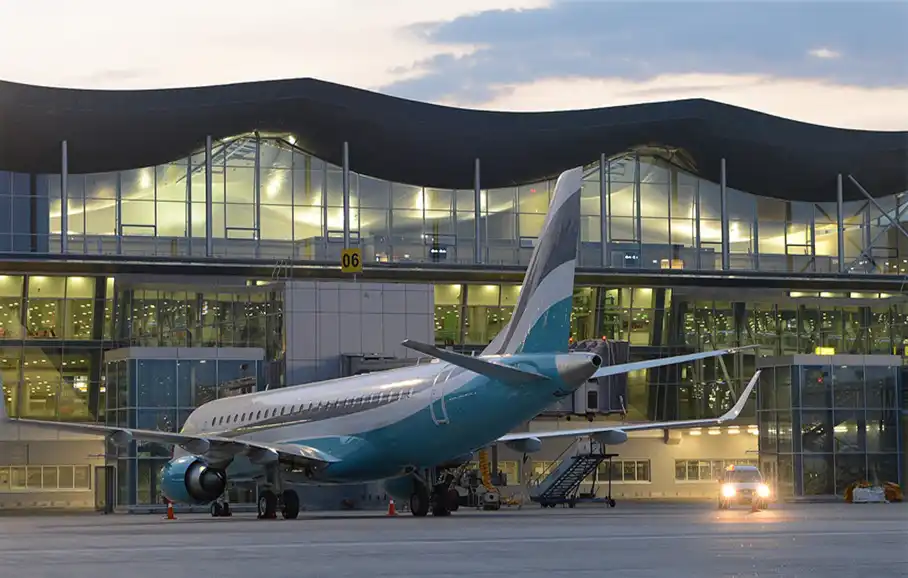
After more than three tumultuous years of closure caused by Russia’s full-scale invasion, Boryspil International Airport (KBP)—Ukraine’s largest and busiest aviation hub—is preparing to reopen. This historic milestone marks not only the return of commercial air traffic to Kyiv but also a broader step forward in Ukraine’s strategic recovery and international reintegration. The announcement, made during the Routes Europe 2025 conference in Seville, signifies the culmination of extraordinary resilience, planning, and operational fortitude.
Boryspil, which once handled over 65% of Ukraine’s passenger air traffic, has remained shuttered since February 24, 2022. On that morning, the airspace above Ukraine fell silent as Russian forces launched a sweeping offensive, with Boryspil among the first strategic targets struck. The airport, pivotal for long-haul and international connectivity, suspended all operations, instantly severing a critical artery of the Ukrainian economy.
A Long Road to Reopening: Planning Amid Uncertainty
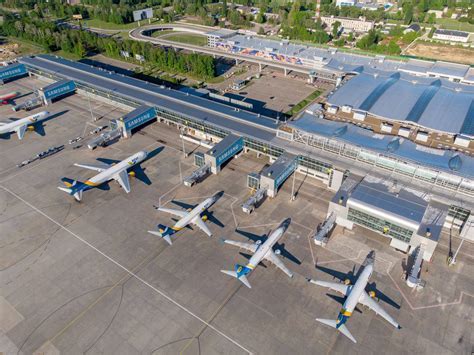
Despite the cessation of flights and wartime damage across the region, Boryspil International Airport was never allowed to decay. According to Sergiy Khyzhnyak, Director of Commercial and Strategy, the facility was preserved in a state of operational readiness, with infrastructure maintained and key systems kept functional. Khyzhnyak acknowledged the immense challenge of preparing for a reopening without a definitive timeline, calling it a “long-term resilience plan” originally designed for a short crisis.
“The main challenge,” he stated at Routes Europe, “has been uncertainty.” What began as contingency measures for a matter of weeks extended into years. Yet, through these years, a dedicated fraction of Boryspil’s workforce remained active. Approximately 20% of the airport staff stayed on duty at any given time, working under reduced salaries, but maintaining licenses, certifications, and key competencies required for airport operations.
This relentless upkeep enabled the airport to remain in “perfect shape,” as Mantas Vrubliauskas, VP of Network Development at airBaltic, described following a comprehensive tour of the airport’s airside and landside facilities. “If you didn’t know there was a war, you would think it was just COVID,” he remarked, comparing the silence of Boryspil to the eerie standstill during pandemic lockdowns.
The Return of airBaltic and the Revival of Baltic-Ukrainian Routes
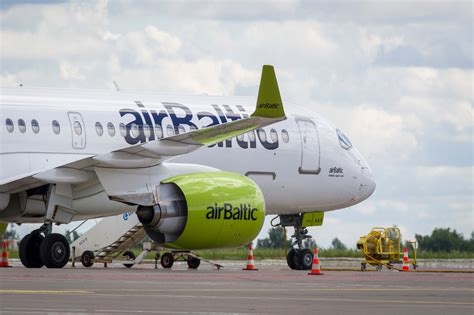
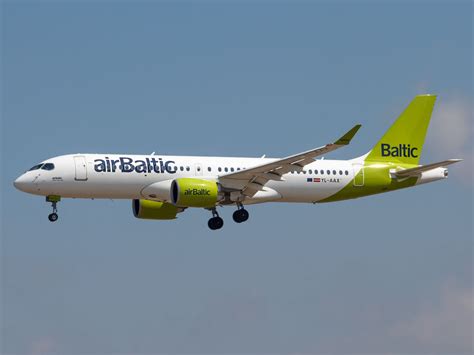
Among the first international carriers preparing to reestablish ties with Kyiv is airBaltic, the flag carrier of Latvia. In March 2025, the airline dispatched a strategic team to Ukraine to discuss reactivation plans and assess infrastructural integrity. The delegation’s findings were optimistic: the airport was operationally sound, and logistical resumption was feasible within weeks.
airBaltic has already announced intentions to resume flights not only to Kyiv but also to Lviv, strengthening regional links by offering direct routes to all three Baltic capitals—Riga, Vilnius, and Tallinn. These routes are more than symbolic; they represent tangible corridors for commerce, diplomacy, and solidarity between Ukraine and its Northern European allies.
Geopolitical Significance: Aviation as Strategic Infrastructure
The reopening of Boryspil goes beyond commercial value. It is a bold political and psychological statement. As Ukraine continues to fight for its territorial integrity and democratic future, the revival of civil aviation stands as an emblem of normalcy returning in defiance of aggression. The operation of Kyiv’s principal gateway signals confidence in Ukraine’s security apparatus and renewed trust from international partners and airlines.
Additionally, air connectivity is vital to Ukraine’s economic resilience. The three-year interruption fractured global business ties, restricted aid logistics, and constrained tourism. With Boryspil back online, the potential for restored economic throughput becomes significant. It will facilitate diplomatic mobility, supply chain stabilization, and attract foreign direct investment, particularly in post-conflict reconstruction sectors.
Airport Readiness: A Technically Preserved Giant
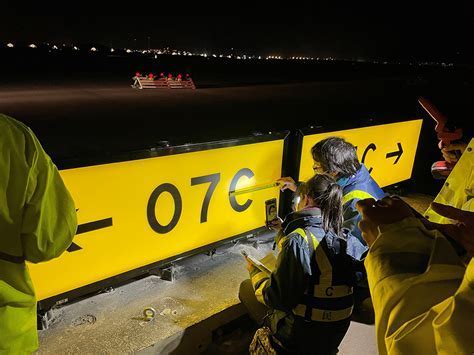
Boryspil’s architecture and layout have remained largely intact throughout the closure. Terminal D, the primary passenger hub, is structurally sound, with working baggage systems, updated air-conditioning networks, and digital flight boards maintained for immediate activation. Fire and safety systems have passed readiness evaluations, and Ukrainian Air Navigation Services have simulated limited traffic scenarios since late 2024 to ensure procedural continuity.
The airport’s runways, taxiways, and aprons have undergone periodic maintenance. Surveillance systems, including radar and perimeter security cameras, remained operational throughout the war, often shared with military coordination efforts to support national defense and early warning systems.
Human Capital: A Workforce Standing Ready
One of the most remarkable elements of Boryspil’s return is the human perseverance behind the scenes. Airport employees, from air traffic controllers to janitorial staff, endured months of inactivity under extreme conditions, including blackouts, missile threats, and salary reductions. Yet they remained committed.
With training simulators reinstated and refresher courses ongoing since early 2025, Boryspil will relaunch with experienced personnel capable of restoring safety and service to pre-closure levels. There is already a coordinated initiative with Ukrainian aviation academies to attract young talent into ground operations, security, and passenger service roles.

Kyiv vs. Lviv: A New Dynamic in National Aviation
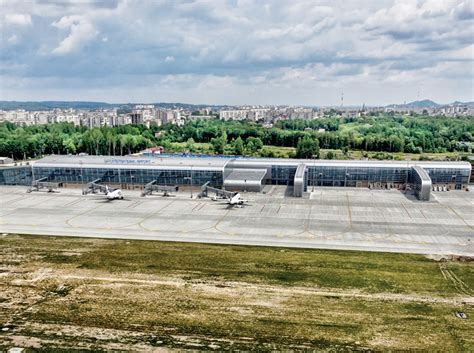
While Kyiv-Boryspil’s reopening is the centerpiece, it is part of a larger aviation revival effort across Ukraine. Lviv Danylo Halytskyi International Airport has confirmed plans to resume commercial operations by late Spring 2025. Situated in Western Ukraine, relatively distant from the frontlines, Lviv has seen considerable interest from five to seven European airlines preparing to return.
This introduces a new operational dynamic where Lviv could briefly act as a surrogate international gateway, particularly for risk-averse carriers or for routes prioritizing Western European markets. However, as Kyiv reasserts itself, Boryspil is expected to quickly recapture the lion’s share of long-haul and diplomatic traffic.
A Symbol of National Resilience and Recovery
Ukraine’s aviation industry, like its people, has endured devastation without surrendering hope. The reopening of Boryspil International Airport is not merely an infrastructure story—it is a reflection of national resilience, civil perseverance, and forward-looking strategy. As the war enters a new phase and the international community intensifies reconstruction pledges, the skies over Kyiv will once again be filled with the sounds of departure and return.
This transition from silence to movement, from darkness to re-illumination, is not just the reopening of an airport. It is a nation reclaiming the horizon.