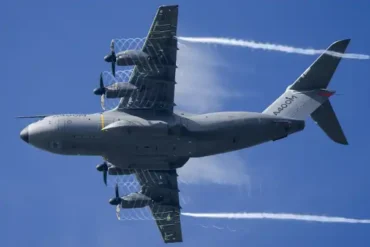
A variable-pitch propeller is a groundbreaking technology in the field of aviation that has dramatically enhanced the performance and efficiency of aircraft engines. By allowing the blades to adjust their angle of attack during flight, the variable-pitch propeller optimizes the performance of an aircraft across various flight conditions, ensuring improved fuel efficiency, higher speeds, and better overall handling. In this article, we explore the different types of variable-pitch propellers, their mechanisms, historical significance, and the advantages they offer in modern aviation.
What is a Variable-Pitch Propeller?
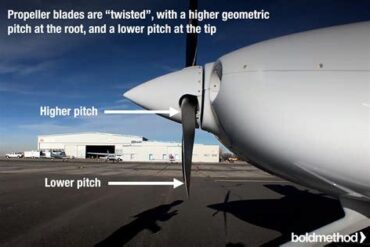
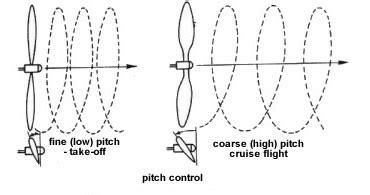
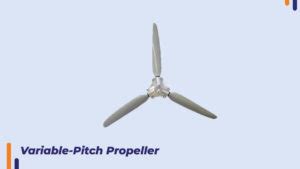
A variable-pitch propeller is an aeronautical device that allows the blades to rotate around their long axis to change the blade pitch, adapting to varying flight conditions. Unlike traditional fixed-pitch propellers, which have blades set at a constant angle, the variable-pitch propeller offers adjustable blade angles, allowing the aircraft to achieve maximum efficiency in different phases of flight.
At its core, the variable-pitch propeller works by altering the angle of attack of the blades, which in turn affects the aerodynamic forces acting on the propeller. This adjustment ensures that the propeller operates at its most efficient angle, whether the aircraft is climbing, cruising, or descending. In contrast, fixed-pitch propellers can be optimized for only one type of flight condition, such as takeoff or cruising, but cannot provide peak efficiency throughout the flight.
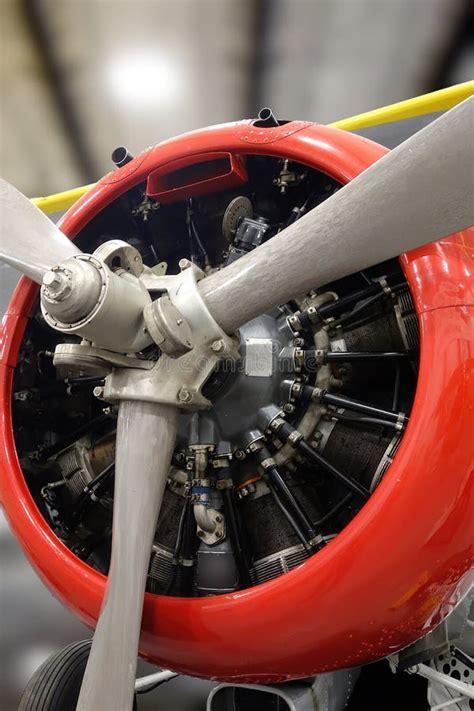
Types of Variable-Pitch Propellers
There are several types of variable-pitch propellers, each designed to meet specific operational needs and enhance overall aircraft performance. These include controllable-pitch propellers, constant-speed propellers, and reversible-pitch propellers.
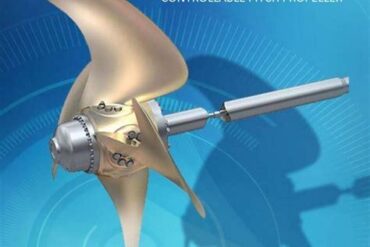
Controllable-Pitch Propellers
A controllable-pitch propeller allows the pilot to manually adjust the pitch of the blades, offering more flexibility in responding to changing flight conditions. Pilots can alter the blade angle to optimize engine power for specific phases of flight, such as takeoff, climb, or cruise. This manual control is often used in smaller aircraft and offers a balance between control and efficiency.
Constant-Speed Propellers
In contrast, a constant-speed propeller automatically adjusts the blade pitch to maintain a constant engine speed (RPM) throughout the flight. The constant-speed unit (CSU) or propeller governor is responsible for making these adjustments without requiring pilot intervention. This type of propeller is most commonly used in commercial aircraft and high-performance general aviation aircraft, as it maximizes fuel efficiency and ensures the engine operates within its optimal power range, regardless of changes in airspeed or altitude.
The constant-speed propeller offers significant advantages, including improved fuel efficiency, reduced engine wear, and smoother operation, especially during high-altitude cruising. This is because the CSU allows the engine to run at the most economical RPM, similar to how a car shifts gears for optimal performance.
Reversible-Pitch Propellers
A reversible-pitch propeller takes the variable-pitch concept a step further by allowing the blades to be adjusted to a negative pitch, producing reverse thrust. This feature is particularly useful for braking or for moving the aircraft backward without the need to reverse the engine’s rotation. Reversible-pitch propellers are often found on multi-engine aircraft, where reverse thrust can be utilized in the event of an engine failure or when precise control during landing or taxiing is necessary.
How Do Variable-Pitch Propellers Work?
The mechanism that allows for variable-pitch is usually controlled by hydraulic pressure, centrifugal force, or electro-mechanical systems. These mechanisms are designed to adjust the angle of the blades based on engine speed, airspeed, and other flight variables.
Hydraulic Control
The most common method for controlling blade pitch in modern aircraft is through hydraulic pressure. In this system, the constant-speed unit (CSU) pumps engine oil into a piston inside the propeller hub, which adjusts the blade angle. The pilot typically sets the desired RPM, and the CSU maintains this speed by automatically changing the blade pitch. If the RPM exceeds or drops below the set value, the CSU adjusts the pitch to compensate, ensuring the engine remains at its optimal speed.
Centrifugal Force Control
In earlier designs, centrifugal force was used to control blade pitch. This method, known as counterweight propellers, involves using weights that are set into motion by the centrifugal force generated by the spinning propeller. When the RPM increases, the centrifugal force causes the weights to move outward, which in turn alters the pitch of the blades to a steeper angle. Conversely, when the RPM decreases, the weights move inward, reducing the pitch for improved fuel efficiency.
Electro-Mechanical Systems
Some smaller aircraft, particularly microlights and light sport aircraft, may use electro-mechanical systems to control blade pitch. These systems utilize electric motors or servos to adjust the pitch of the blades, offering a more compact and lightweight solution than hydraulic systems. While not as common in larger commercial aircraft, these systems are growing in popularity for their simplicity and efficiency.
Advantages of Variable-Pitch Propellers
The variable-pitch propeller provides numerous advantages that significantly enhance an aircraft’s performance and fuel efficiency across a variety of conditions.
Improved Efficiency Across Flight Phases
One of the primary benefits of a variable-pitch propeller is its ability to maintain peak efficiency during different flight phases. Whether the aircraft is taking off, climbing, cruising, or descending, the propeller can adjust to the optimal pitch for each phase. This flexibility ensures that the aircraft operates at maximum efficiency, reducing fuel consumption and enhancing performance.
Enhanced Fuel Efficiency
By maintaining a constant engine speed and adjusting the pitch to match the flight conditions, variable-pitch propellers can dramatically reduce fuel consumption. This is especially true for constant-speed propellers, which optimize the engine’s power output to minimize fuel use without sacrificing performance. In high-performance and commercial aircraft, this leads to significant cost savings over the life of the aircraft.
Reduced Engine Wear and Tear
Since the engine operates at its optimal RPM regardless of the aircraft’s airspeed or altitude, a variable-pitch propeller reduces the stress on the engine. The automatic adjustments provided by the CSU help prevent engine overspeed or underspeed, extending the lifespan of the engine and reducing maintenance costs.
Increased Control and Safety
In the event of an engine failure, a reversible-pitch propeller can be feathered, which reduces drag and allows the aircraft to glide more efficiently. This feature is especially important in multi-engine aircraft, where a failed engine can be shut down and feathered to improve the performance of the remaining engines.
Adaptability to Changing Conditions
Whether the aircraft is operating at sea level or cruising at high altitudes, a variable-pitch propeller can adapt to changing conditions. This adaptability is crucial for maintaining consistent performance, especially when dealing with fluctuating airspeeds, weather conditions, and engine performance.
Historical Development of the Variable-Pitch Propeller
The variable-pitch propeller has a rich history that dates back to the early 20th century. The first attempts at developing adjustable-pitch propellers began during World War I, with pioneers such as A.V. Roe and Louis Breguet experimenting with ground-adjustable props. However, it was not until 1918 that the first automatic variable-pitch propeller was developed by Wallace Rupert Turnbull in Canada. This invention marked the beginning of a new era in aviation.
Throughout the 1920s and 1930s, several other inventors and companies, including Hamilton Standard, de Havilland, and Ratier, contributed to the evolution of variable-pitch propellers. These early innovations were primarily hydraulic in nature and offered a significant performance boost compared to fixed-pitch props.
The development of hydraulic systems and other advanced mechanisms in the mid-20th century paved the way for the modern constant-speed propeller, which is now the standard in most high-performance and commercial aircraft. Today, variable-pitch propellers are essential components in modern aviation, contributing to improved fuel efficiency, better engine performance, and increased safety.
Conclusion
The variable-pitch propeller represents one of the most important advancements in aircraft technology, allowing pilots and engineers to optimize the performance of aircraft across a wide range of conditions. From manual control systems to fully automatic constant-speed propellers, the evolution of this technology has made it possible for aircraft to achieve higher efficiency, better fuel economy, and greater safety. As the aviation industry continues to push the boundaries of performance and efficiency, the variable-pitch propeller will undoubtedly remain a critical component in shaping the future of flight.