In a bold and strategic move that reinforces its commitment to expanding transatlantic connectivity, United Airlines has officially launched its inaugural service between Newark Liberty International Airport (EWR) and Nuuk, Greenland (GOH). This unprecedented route not only places United as the first U.S. airline to offer scheduled service to Greenland, but it also symbolizes a broader shift in network planning that blends adventure-driven tourism with operational agility.
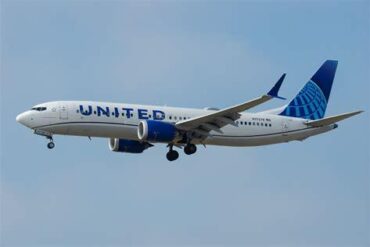
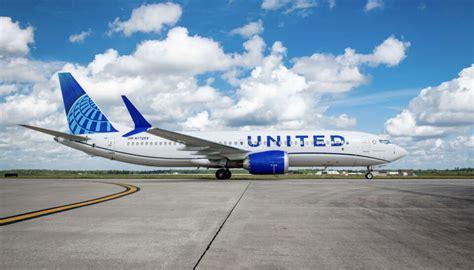
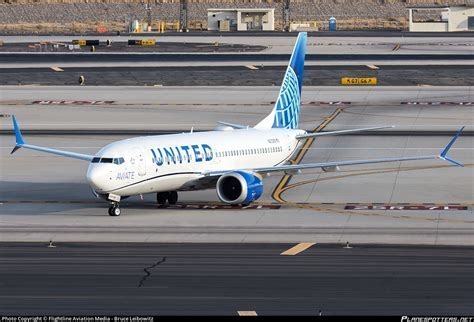
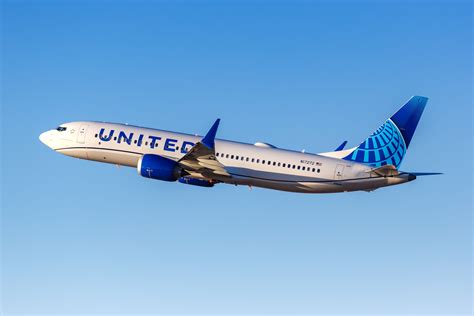
The first flight, designated UA80, departed Newark on a Boeing 737 MAX 8 on what marks a historic moment for U.S. aviation. Though it pushed back from the gate nearly 20 minutes behind schedule, the aircraft completed the transatlantic journey in three hours and 47 minutes, arriving in Nuuk at 18:34 local time.
Breaking New Ground: Why Nuuk Matters for United
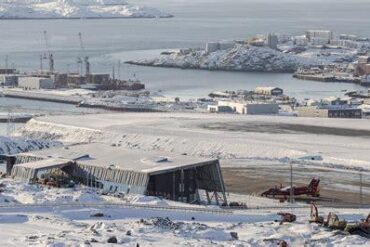
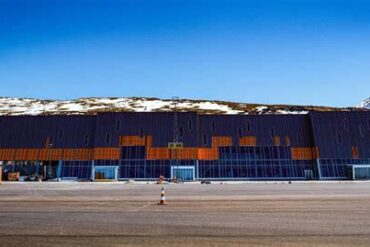
Greenland, long considered remote and underserved in terms of air connectivity, now finds itself on the global route map of one of the world’s largest carriers. Nuuk, the capital and largest city of Greenland, becomes an unlikely but fascinating addition to United’s growing list of exotic destinations aimed at satisfying the post-pandemic travel appetite for discovery and novelty.
What makes this launch particularly compelling is the absence of competing services. No other U.S. carrier currently offers direct flights to Greenland. By securing first-mover advantage, United not only gains a strategic foothold in the North Atlantic but also tests the viability of low-frequency, high-interest leisure routes.
Route Specifics and Operational Details
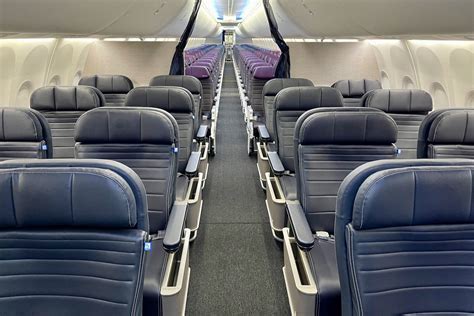
United will operate the EWR–GOH service twice weekly during the peak summer months, leveraging favorable Arctic weather and increased leisure travel demand. The 737 MAX 8, which features a three-class configuration — Domestic First, Economy Plus, and Economy — accommodates 166 passengers, making it an optimal choice for a market with limited but promising demand.
The aircraft’s range and fuel efficiency align perfectly with the route’s profile. Flying over the North Atlantic without the heavy operating costs of a widebody aircraft allows United to remain nimble and profitable, even on niche routes like this.
The Bigger Picture: United’s Transatlantic Narrowbody Playbook
United’s use of the Boeing 737 MAX 8 for transatlantic flights signals a significant evolution in strategy. Traditionally, such routes were the domain of widebody jets like the Boeing 777 or 787, prized for their range and capacity. But United has increasingly embraced narrowbody aircraft for select international operations — particularly from its Newark hub, where gate space and slot constraints necessitate smaller jets.
Nuuk is not an isolated case. United also uses the 737 MAX 8 for service to Madeira, Portugal, and operates Boeing 757s to several European destinations. These aircraft provide the operational flexibility needed to open up lower-demand routes that wouldn’t be economically viable with larger jets.
The airline’s forthcoming Airbus A321XLR, due to enter service in the next few years, is expected to accelerate this trend. With even greater range and similar capacity to the 737 MAX 8, the A321XLR will allow United to explore longer, thinner markets — destinations that don’t require a massive volume of passengers but are high in yield and strategic value.
Strategic Expansion Through Leisure-Driven Demand
In an official statement during the announcement of its expanded international portfolio, Patrick Quayle, United’s Senior Vice President of Global Network Planning and Alliances, highlighted the goal of providing customers with “once-in-a-lifetime adventure travel” experiences. The Nuuk route delivers exactly that.
Greenland offers an untapped travel experience: Arctic fjords, midnight sun, Inuit culture, and glacier expeditions. For American travelers — especially those on the East Coast — the opportunity to explore this pristine environment on a nonstop flight is both novel and convenient.
This aligns with broader travel trends observed post-pandemic. Tourists are increasingly interested in off-the-beaten-path experiences rather than traditional big-city vacations. United is capitalizing on this shift by building a portfolio of routes that includes destinations like:
- Ulaanbaatar, Mongolia
- Palermo, Sicily
- Malaga, Spain
- Madeira, Portugal
Risks and Uncertainties in Uncharted Markets
Despite the media buzz and traveler enthusiasm, launching such routes is not without risk. Greenland’s limited tourism infrastructure, volatile Arctic weather, and niche market appeal mean United is entering relatively uncharted territory. Additionally, while summer demand may sustain the route, the lack of year-round appeal could limit profitability and force United to maintain a seasonal schedule.
Moreover, the specter of economic uncertainty — particularly within the U.S. — looms over the industry. Although demand for international travel remains robust, any sustained downturn in consumer confidence or discretionary spending could threaten the viability of fringe destinations.
Nevertheless, United appears prepared for such risks, leveraging fleet flexibility and dynamic scheduling to hedge against market volatility.
The Competitive Edge: First-Mover Advantage and Brand Differentiation
By pioneering service to Greenland, United further differentiates itself in a crowded market. This move sets a precedent for exploratory network planning, one that other legacy carriers may be slow to emulate due to risk aversion or lack of appropriate aircraft.
United also benefits from being part of Star Alliance, which allows for interline connections and codeshare options that enhance Nuuk’s global accessibility. Although Greenland lacks a major airline presence, United’s connectivity via Newark enables seamless travel to and from cities across the U.S., Canada, and Latin America.
Looking Ahead: Could Greenland Become a Gateway?
While Nuuk itself is a modest entry point, the launch raises an intriguing possibility: could Greenland evolve into a strategic North Atlantic hub for niche adventure travel? With climate change opening new Arctic sea routes and global interest in the polar regions increasing, Nuuk may serve as a template for how airlines think about underserved polar routes.
If successful, United’s model could prompt future flights to Kangerlussuaq, Ilulissat, or even collaborative ventures with Greenland’s government-owned carrier, Air Greenland, to deepen access.
For now, the twice-weekly Newark–Nuuk route stands as a milestone in modern airline route development — ambitious, calculated, and reflective of shifting traveler desires.
Conclusion: United’s Route Strategy Has Entered a New Frontier
United Airlines’ launch of the first-ever U.S.–Greenland commercial service is more than a symbolic victory. It represents the airline’s confidence in data-driven, leisure-oriented growth and a future-forward strategy that embraces both the adventurous spirit of modern travelers and the economic reality of airline operations.
Whether the route becomes a seasonal staple or a short-lived experiment, its impact on airline route development is undeniable. United has rewritten what’s possible for transatlantic air travel — and it did so with a single-aisle jet pointed toward the Arctic skies.