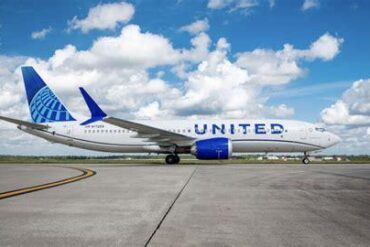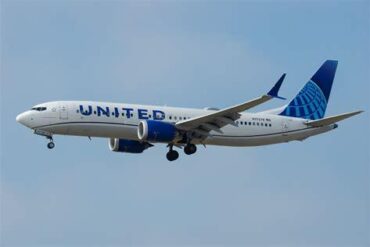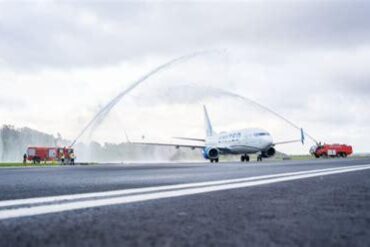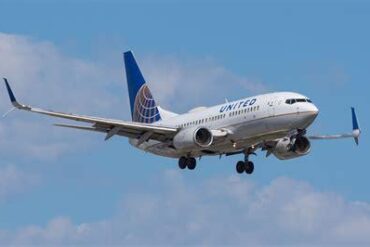
United Airlines has officially inaugurated a new transatlantic service from Newark Liberty International Airport (EWR) to Funchal, Madeira (FNC) using the Boeing 737 MAX 8, marking a bold milestone in the evolution of long-haul narrowbody aviation. This strategic move reflects United’s ongoing commitment to expanding its global network in innovative and cost-efficient ways, even as it explores less conventional routes across the Atlantic.
The launch of this service represents a calculated expansion designed to meet rising demand for non-hub, leisure-focused destinations in Europe. Unlike major trunk routes served by widebody aircraft, the Newark–Funchal route taps into a more niche market, capitalizing on the operational flexibility and fuel efficiency of the 737 MAX 8.
United’s Network Strategy: Smaller Aircraft, Bigger Opportunities
United’s approach to deploying narrowbody aircraft on transatlantic routes is no longer experimental—it’s now a core feature of the airline’s global network planning. As highlighted by Patrick Quayle, United’s Senior Vice President of Global Network Planning and Alliances, the airline’s growth strategy involves giving customers more choices—especially in underserved and less mainstream international markets.
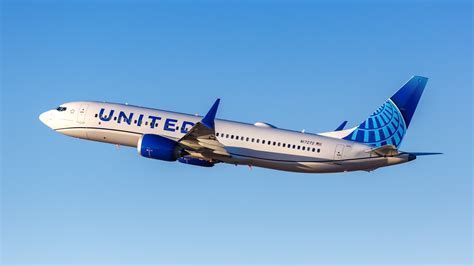
The new service to Funchal, a picturesque coastal city in Portugal’s Madeira archipelago, represents the third transatlantic destination served by a Boeing 737 for United. The airline already operates flights to Ponta Delgada in the Azores, and a new route to Nuuk, Greenland is set to launch next week. These destinations are bound by a common thread: strategic seasonal demand and right-sized capacity.
The 737 MAX 8, while often associated with domestic and medium-haul international travel, has emerged as a game-changing aircraft for airlines seeking to bridge thinner routes that would otherwise be economically unsustainable for widebodies. This latest expansion confirms that United is doubling down on its long-haul narrowbody strategy.
Flight Schedule and Passenger Experience
The inaugural flight from EWR to FNC takes approximately 7 hours and 30 minutes, making it one of the longest routes operated by a 737 MAX 8. The schedule is designed with passenger convenience in mind:
- Outbound: Departs Newark at 20:55, arriving in Funchal at 08:45 the next morning (overnight flight).
- Inbound: Leaves Funchal at 11:30, arriving back in Newark at 14:00 (daytime flight).

The flights will operate three times weekly—on Wednesdays, Fridays, and Sundays—through September 24, 2025. Tickets for the route have already gone on sale, with economy round-trip fares beginning around $793 in mid-July. Though limited in frequency, the service is expected to draw strong interest during the high-demand summer season.
Passengers onboard the Boeing 737 MAX 8 can expect a modern cabin experience, including United’s new slimline seating, in-seat power, and high-speed Wi-Fi availability. The aircraft also features United’s signature inflight entertainment system, accessible via personal devices. Business travelers can upgrade to United’s Premium Plus or Economy Plus for additional comfort.
A New Era for Transatlantic Narrowbody Flights
United’s transatlantic narrowbody operations underscore a broader industry trend: the commercial validation of long-haul single-aisle aircraft. Airlines like WestJet, SAS, La Compagnie, and Icelandair have all leaned into this model, utilizing next-gen jets like the 737 MAX and A321neo to unlock new routes previously deemed unviable.
What once seemed an edge-case—using narrowbodies for over-ocean journeys—is now increasingly seen as the future of international route expansion, particularly as environmental and economic pressures demand more sustainable and flexible aircraft operations.
For United, these new city pairs—such as Newark to Funchal—offer the perfect blend of novelty, profitability, and strategic expansion. They allow the carrier to explore untapped tourism and VFR (visiting friends and relatives) markets with minimized financial risk and optimized aircraft utilization.
Economic and Cultural Impacts for Madeira
The Newark–Funchal route is expected to provide a major tourism boost for Madeira, a Portuguese autonomous region increasingly popular among North American travelers. Known for its rugged coastline, botanical gardens, and wine culture, Madeira is a year-round destination with appeal that stretches well beyond the summer months.

By providing direct connectivity to the U.S., United is effectively placing Funchal on the map for thousands of American tourists who might have previously bypassed the region due to lack of nonstop access. This opens up valuable economic opportunities for Madeira’s local hospitality and tourism sectors.
Additionally, the route strengthens transatlantic ties between Portugal and the U.S., further deepening United’s role in fostering economic and cultural exchange across borders.
Boeing 737 MAX 8: The Technical Edge
The choice of the Boeing 737 MAX 8 for this route is no accident. This aircraft offers a compelling combination of fuel efficiency, lower emissions, and extended range—up to 3,550 nautical miles—making it ideally suited for medium- to long-haul international operations.
It features LEAP-1B engines, advanced winglets, and optimized aerodynamics, all contributing to double-digit fuel savings over previous-generation 737s. For airlines like United, these efficiency gains translate directly into operational cost savings and route viability, especially on seasonal and lower-density sectors.
The MAX 8’s lower trip costs also mean that United can offer competitive fares while maintaining profitability, even on less frequently traveled routes. It’s a perfect fit for transatlantic service models that prioritize point-to-point convenience over volume.
United Airlines: Redefining the Transatlantic Map
With this new route, United continues to redefine what’s possible in the realm of transatlantic air travel. No longer restricted to major hubs like London, Frankfurt, or Paris, travelers now have unprecedented access to smaller, unique destinations across Europe—and soon, Greenland and Mongolia.
This agile approach to route development aligns with post-pandemic traveler trends, where demand for unique, nature-filled escapes and culturally rich getaways is outpacing traditional city breaks. United’s strategy not only anticipates this shift but actively enables it.
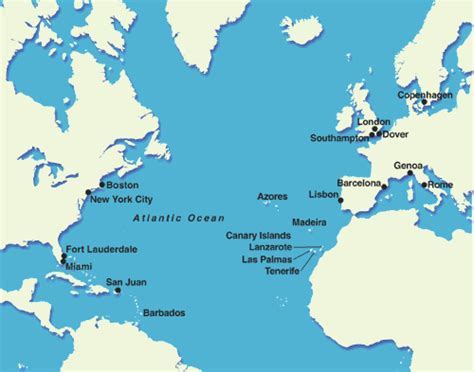
Moreover, this flexibility enhances United’s global competitiveness, particularly within the Star Alliance network. It offers seamless connectivity from United’s Newark hub to a broad range of U.S. domestic markets, while giving international passengers better access to emerging European destinations.
Looking Ahead: The Role of Innovation in Network Planning
As the aviation industry evolves, airlines will need to stay nimble, data-driven, and customer-focused. United’s expansion to Funchal via the Boeing 737 MAX 8 reflects a forward-looking strategy that balances customer demand, aircraft economics, and destination appeal.
It’s not just about flying more—it’s about flying smarter. With the 737 MAX 8 as a key enabler, United is proving that transatlantic service doesn’t have to be the exclusive domain of widebodies and mega-hubs. Instead, the future of aviation may lie in these smaller, smarter routes—a network that’s both diverse and profitable.
The Newark–Funchal service is more than a flight. It’s a signal of how airlines can innovate at the intersection of aircraft technology and market opportunity, unlocking destinations and delivering experiences that passengers didn’t even know were possible.