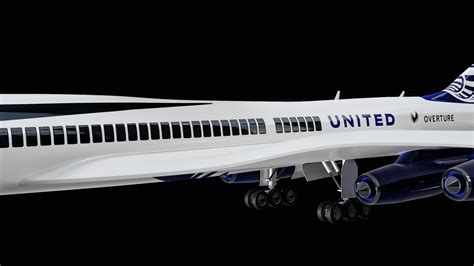
The end of the federal ban on overland supersonic flights marks a historic moment in aviation—and United Airlines is poised to take full advantage. With regulatory shackles removed, the airline is ready to catapult into a new era of high-speed commercial travel. Central to this leap forward is United’s partnership with Boom Supersonic, the Denver-based aerospace firm developing the Overture, a supersonic jet that promises to slash travel times and redefine business aviation.
The Return of Supersonic Flight: Boom Supersonic’s Ambitious Vision
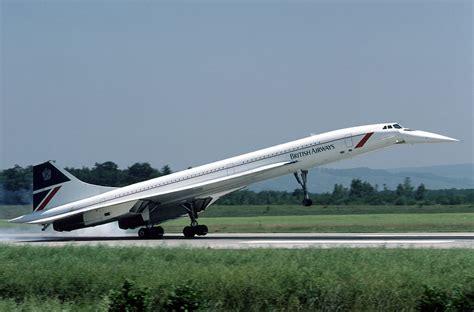
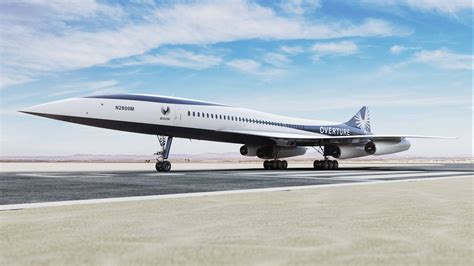
Founded in 2014, Boom Supersonic has become the industry’s torchbearer for reviving supersonic passenger aviation. Its flagship aircraft, the Overture, is engineered to cruise at Mach 1.7, accommodating 64 to 80 passengers and operating at altitudes of 60,000 feet. Unlike its predecessor, the Concorde, Overture is being designed to meet ICAO Chapter 14 noise standards, positioning it for smoother FAA certification.
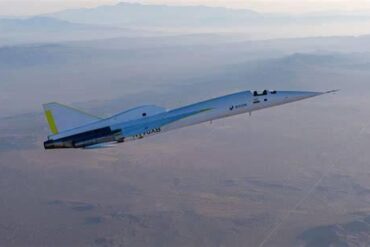
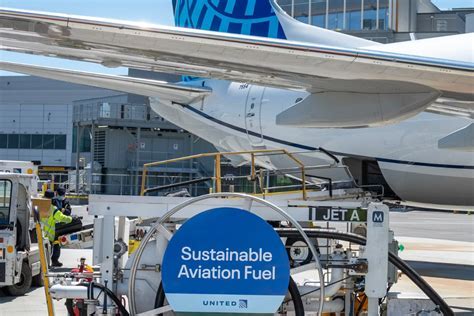
Boom’s prototype, the XB-1 Baby Boom, has already completed over ten successful test flights—including one that broke the sound barrier in 2025. These flights have allowed the company to refine critical technologies, such as noise abatement systems and lightweight composite airframes, helping position Overture as a quiet, efficient supersonic jet. Additionally, Boom is committed to sustainability. The aircraft is being designed to run on 100% Sustainable Aviation Fuel (SAF), aligning with broader industry goals for net-zero emissions.
Construction of Overture will take place at Boom’s Greensboro, North Carolina factory, with an expected production capacity of 33 jets annually, expandable based on demand. The company is targeting a 2029 service entry, representing a tight but potentially achievable timeline now that federal restrictions have been eased.
United Airlines’ Bold Bet on Supersonic
In June 2021, United Airlines became the first U.S. carrier to commit to Boom’s vision. The airline placed a firm order for 15 Overture aircraft, with options for 35 more. This move reflects a strategic pivot to dominate high-margin business travel markets by offering drastically reduced flight times.
The rationale is clear: with Overture, United could enable same-day round-trips across the Atlantic, an unthinkable proposition with conventional aircraft. This creates substantial opportunities to win over premium travelers, especially in sectors where time is money. For example, United could offer a Newark-to-Frankfurt round trip within a single business day, targeting executives who can justify the expense for the added productivity.
More than just a speed upgrade, United’s investment is environmentally informed. The Overture’s SAF compatibility dovetails with United’s aggressive decarbonization strategy, ensuring that innovation and sustainability go hand-in-hand. United has also begun investing in infrastructure—lengthening runways, constructing new support facilities, and implementing noise-control technologies at key hubs.
The Regulatory Turning Point: Executive Order Lifts Overland Flight Ban
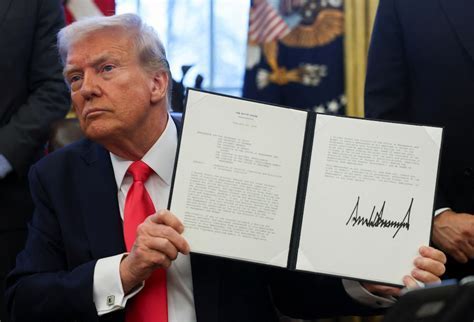
On June 6, 2025, former President Donald Trump signed a game-changing Executive Order repealing the decades-old ban on supersonic flight over U.S. land. This single action removes one of the largest obstacles to the commercial viability of jets like Overture. The order directs the FAA to implement a noise-based certification framework that aligns technological feasibility with community tolerance, replacing outdated acoustic regulations that ignored modern advances.
Additionally, the order:
- Mandates interagency coordination for supersonic research and development.
- Encourages global regulatory alignment, promoting harmonized noise and safety standards.
- Calls for renegotiation of bilateral air service agreements to include supersonic overflight permissions.
This aggressive deregulation not only legitimizes Boom’s design approach but also signals U.S. commitment to reclaiming leadership in supersonic aviation, a field it lost with the retirement of Concorde.
Strategic Advantages for United Airlines
With legal barriers falling, United now stands on the edge of a first-mover advantage. The regulatory green light means:
- Domestic supersonic routes—such as New York to San Francisco—become viable, reducing cross-country travel time to as little as 2.5 hours.
- The new interim noise standards reduce public resistance, increasing the number of airports where Overture can operate.
- Reduced regulatory risk improves investor confidence and project ROI.
The executive order shortens the timeline for FAA certification, especially since Boom is designing Overture to meet anticipated standards. This, combined with United’s infrastructure investments, could accelerate commercial rollout.
United’s Supersonic Route Strategy
Initial plans from United hint at focusing Overture on high-demand premium international routes, including:
- Newark (EWR) to Frankfurt (FRA)
- San Francisco (SFO) to Tokyo (NRT)
- Los Angeles (LAX) to Sydney (SYD)
Each route is strategically chosen based on yield, frequency of business travel, and time-zone compatibility for same-day round-trips. These services would likely operate once or twice daily, targeting peak business travel windows.
Domestically, routes like New York to Los Angeles or Chicago to San Francisco become immensely more appealing. Cutting transcontinental travel times in half would allow for flexible, high-frequency schedules aimed at executive-class travelers.
Financial and Brand Upside for United Airlines
Beyond passenger convenience, the Overture program represents a potential revenue goldmine. Premium travelers often account for a disproportionate share of airline profits. With fewer seats but higher ticket prices, Overture routes could deliver exceptional revenue per available seat mile (RASM).
Moreover, United’s early commitment brands the airline as an innovator, enhancing its position in the global aviation landscape. The strategic combination of speed, sustainability, and premium service could differentiate United from rivals like Delta or American in key corporate travel sectors.
There’s also reputational upside. Partnering with Boom and embracing sustainable jet fuels aligns United with next-generation aviation trends, appealing to ESG-conscious investors and customers alike.
Challenges That Still Remain
While the regulatory climate has improved, hurdles persist:
- Technical certification of Overture remains an immense task.
- Achieving consistent, affordable production of 100% SAF is critical.
- Public perception of supersonic jet noise and emissions could still sway airport approvals.
- International regulatory bodies, especially in Europe, may be slower to adapt.
Nonetheless, these are issues Boom and United have anticipated. Collaborative planning with regulators, transparent community engagement, and continued R&D will be critical to overcoming these final barriers.
Looking Ahead: Supersonic as the New Premium Standard
If all pieces fall into place, United Airlines could usher in a supersonic renaissance. The ability to offer transatlantic and transpacific same-day service changes not just the airline’s schedule—it changes what customers expect from modern air travel.
In the coming years, other carriers will likely follow United’s lead. But by making early investments, securing aircraft options, and adapting its ground infrastructure, United has gained a lead that may be hard to match. It is not just about flying faster; it’s about reshaping global connectivity, redefining the passenger experience, and setting the pace for commercial aviation in the 2030s.
With supersonic flight no longer shackled by regulation, and Boom’s aircraft closer to reality than ever before, the sky may not be the limit for United Airlines—it may be just the beginning.