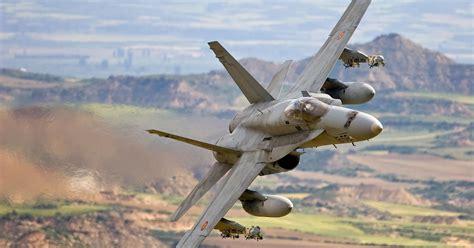
The Gijón airshow incident involving an F‑18 Hornet executing a dramatic low‑altitude pass has captured the aviation community’s attention, sparking debate over whether the aircraft suffered a bird strike or if pilot control inputs led to the near‑inversion maneuver. Drawing on firsthand military pilot expertise and detailed video analysis, this article dissects the sequence of events, aerodynamic factors, and safety protocols to offer a comprehensive understanding of what really happened over San Lorenzo beach.
At the heart of the controversy is the pilot’s handling of the Hornet at under 100 ft altitude while flying toward a crowd. Initial speculation pointed to a bird strike, but closer scrutiny of the footage reveals subtle control deflections and aerodynamic cues that challenge that theory. By examining nose attitude, smoke puffs, and control surface behavior frame by frame, we can uncover the true dynamics of this stunning maneuver.
New look at the Gijon F-18 low pass
by
u/FirebirdWS6dude in
aviation
Video Evidence and Nose Attitude Analysis
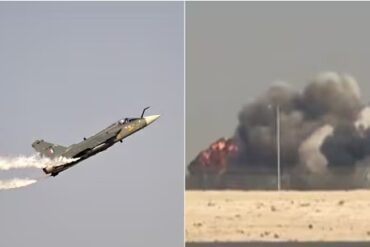
The clearest clue emerges at the 6–7 second mark when the F‑18’s nose abruptly pitches downward. Rather than a sudden disruption from a foreign object impact, the smooth yet assertive nose drop corresponds with intentional rudder pedal input. Military pilots recognize that at high angles of attack (AoA), the Hornet’s rudder becomes extraordinarily powerful, inducing roll moments with a perceptible lag. In this case, the pilot likely applied right rudder during the right‑roll entry, either to lower the nose for a more dramatic low pass or to assist the roll under high‑alpha conditions. The persistent roll beyond pedal release further underscores the rudder’s continued authority at elevated AoA.
This interpretation is supported by the absence of any loud compressor stall bang that would typically accompany a bird ingestion event. Instead, the video shows only brief engine smoke puffs—standard indicators of unburnt fuel being expelled during rapid throttle changes rather than damage from blade stall. By aligning these observations, the bird‑strike hypothesis loses traction, and pilot control nuance emerges as the primary cause of the transient loss of roll stability.
Aerodynamic Principles Behind High‑Alpha Rudder Authority
The F/A‑18 Hornet is engineered as an AoA powerhouse, capable of sustained controlled flight at remarkably high angles. However, this capability introduces unique control surface interactions:
- At elevated AoA, the airflow over the horizontal stabilators and rudders becomes more effective at generating rolling moments than the ailerons, which can stall out.
- Rudder inputs produce yaw‑induced roll via differential wing loading, but with a slight temporal delay that can catch pilots off guard.
- Once the rudder is deflected, the roll continues until the aircraft is unloaded, reducing the AoA and restoring aileron and stab effectiveness.
In the Gijón pass, the pilot’s decision to use rudder may have stemmed from a desire to maintain roll rate without pulling additional stick input, yet the technique backfired when the aircraft’s high‑alpha regime prolonged the roll. Arresting the motion required a deliberate unload—pitching down to reduce AoA—and allowing the aerodynamic balance to shift back to the primary roll surfaces.
Smoke Puffs and Engine Behavior: Debunking the Stall Theory
Viewers noted intermittent smoke emissions from the F‑18’s twin engines, raising questions about internal damage or compressor stall. However, rapid throttle adjustments during show routines often cause brief streaks of unburnt or incompletely combusted fuel to exit the exhaust nozzles. This phenomenon is benign and expected when pilots transition from idle to afterburner or when modulating thrust quickly to maintain speed over the display ground track. Had a bird strike induced a compressor stall or blade failure, the audio track would include a pronounced bang or popping sequence—absent in this recording—followed by asymmetric thrust or visible engine surge patterns. The continuous, symmetrical engine operation throughout the maneuver supports the conclusion that engine health remained uncompromised.
Official Statement vs. Expert Interpretation
Shortly after the incident, the Spanish Air Force issued a statement confirming the pilot’s evasive action to avoid an oncoming flock of birds. While this rationale holds merit, it does not fully account for the pilot’s extreme bank rate and extended inverted trajectory toward the shoreline. From an expert perspective, deliberately rolling inverted at sub‑100 ft to dodge birds would represent an unacceptably risky decision for any seasoned aviator. Instead, the sequence aligns more closely with an over‑control scenario: the pilot, reacting to a perceived threat, applied excessive rudder input without fully unloading the airframe, inadvertently placing the Hornet in a precarious envelope.
This interpretation underscores a key distinction: avoidance maneuvers should prioritize stable bank control and climb recovery rather than aggressive high‑alpha inputs near populated areas. Until a full accident report is released, the over‑control narrative provides a plausible explanation that preserves pilot professionalism while highlighting the razor‑thin margins inherent in low‑altitude flying.
Pilot’s Personal Anecdote: High‑Thrust Night Takeoff
In the course of discussions, the original contributor—an active military pilot—shared a vivid memory that helps illustrate the visceral power of modern fighters. Standing a mere 20 ft from a night takeoff of an F‑35 in full afterburner, he felt the 43,000 lb thrust envelop him in a wall of sound and heat. This anecdote not only humanizes the pilot’s perspective but also emphasizes the sensory extremes pilots experience, which inform their split‑second decision‑making during airshow performances. The pilot’s peers, teasing him about tinnitus and the need for hearing protection, further reveal the camaraderie and levity that balance the intensity of operational flying.
Pilot Credentials and Flight Experience
Credibility in evaluating such critical events hinges on the analyst’s own flight history. Our contributor logs approximately 2,500 hrs across training and combat platforms, including the T‑6 Texan II, T‑38 Talon, F‑16 Fighting Falcon, and F‑35 Lightning II. This breadth of experience across diverse airframes and mission profiles informs a nuanced understanding of control authority, envelope protection systems, and the physiological demands placed on aviators during dynamic maneuvers.
Digital Cockpit Dynamics: F‑35 Touchscreen vs. Tactile Controls
Beyond aerodynamic theory, the discussion branched into cockpit ergonomics—specifically the F‑35’s advanced touchscreen display. While the pilot still values the tactile feedback of physical switches and knobs, he praises the 20×8” multipurpose display for its corner‑lift sensor technology. This design allows pilots to maintain finger contact under high‑G or turbulence, slide to the desired menu item without pressing down, then lift to select—minimizing mis‑taps and maximizing situational awareness.
Redundancy is paramount: the large tablet‑like screen is actually two independent panels, ensuring continued functionality if one section fails. A dedicated standby flight display and helmet‑mounted symbology provide additional fail‑safes, while formation‑landing procedures serve as a last‑resort recovery technique should all digital interfaces go dark. This robust architecture exemplifies modern fighter design, marrying cutting‑edge human‑machine interface with proven backup strategies.
Implications for Airshow Safety and Training
The Gijón incident serves as a vivid case study in the balance between crowd engagement and risk management. Airshow routines demand precise choreography to captivate spectators while adhering to strict altitude and turn‑away criteria. Yet, real‑world variables—bird flocks, wind shifts, pop‑up targets—inevitably intrude. Training programs should reinforce:
- Conservative control inputs when operating within feet of the ground.
- Priority unloading techniques to regain primary control authority.
- Emphasis on predictable, stable escape maneuvers rather than high‑alpha dramatic rolls.
By embedding these lessons into syllabus updates and simulation scenarios, aircrews can preserve both the thrill of demonstration flying and the highest standards of spectator safety.
Conclusion: Lessons from the Gijón Low Pass
The intersection of pilot instinct, aerodynamic complexity, and public expectations makes airshow flying one of the most demanding forms of aviation. Through meticulous video breakdown and expert insight, we’ve shown that the Gijón F‑18 low pass was not the result of a bird strike but rather an over‑control event under high‑alpha conditions. Recognizing the Hornet’s rudder characteristics, the importance of immediate unload maneuvers, and the value of redundant cockpit design equips both performers and regulators with actionable recommendations.
Ultimately, the Gijón episode reinforces a timeless principle: in the thin margin between spectacle and catastrophe, discipline and aeronautical knowledge are the pilot’s greatest assets. As new display teams prepare for upcoming seasons, integrating these findings will ensure that the roar of fighter jets continues to awe without compromising safety.