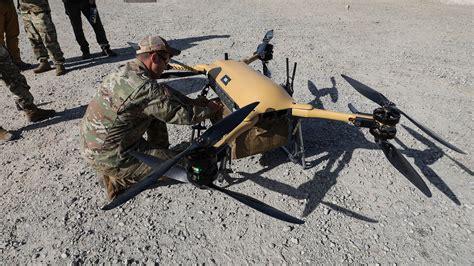
The United States Army is embarking on an unprecedented transformation, marking the largest overhaul of its combat capabilities since the Cold War. Central to this sweeping modernization is the integration of approximately 1,000 drones per combat division, signaling a decisive shift toward unmanned systems that reflects hard-won lessons from contemporary conflicts, particularly the ongoing war in Ukraine. This initiative represents not just a tactical adjustment, but a foundational rethinking of how the Army will fight future wars.
The Army’s ambitious plan draws directly from over a year of rigorous experimentation at the sprawling Hohenfels Training Area in Bavaria and other U.S. military bases. There, soldiers and defense contractors tested drone operations under challenging conditions, drawing vital insights into both the potential and limitations of these technologies. Informed by interviews with Ukrainian military personnel and collaboration with contractors supporting Kyiv’s forces, U.S. strategists recognized that small unmanned aircraft have redefined modern battlefields, offering agility, affordability, and deadly precision.
A Strategic Shift Toward Unmanned Dominance
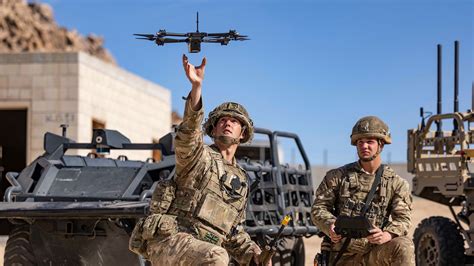
Under the Army’s new vision, the 10 active-duty divisions will undergo a profound transformation. These divisions, traditionally structured around manned platforms and conventional tactics, will pivot to a drone-centric operational model. Drones will be deployed for surveillance, logistical support, and precision strikes, effectively extending the reach and lethality of every brigade on the battlefield. This paradigm shift reflects the hard reality articulated by retired General Jack Keane: “Land warfare has transitioned to drone warfare. If you can be seen, you can be killed.”
The impact of drone warfare has been starkly demonstrated in Ukraine, where both Ukrainian and Russian forces have employed swarms of low-cost drones to devastating effect. Able to overwhelm sophisticated air defenses, these drones not only deliver kinetic strikes but also relay real-time intelligence to command centers. The battlefield has become a transparent arena where concealment is fleeting and static defenses are vulnerable.
Lessons from Ukraine: Testing and Adapting
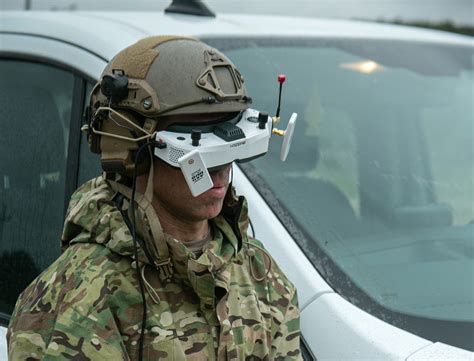
This evolution was vividly displayed during a key February exercise at Hohenfels, where a brigade from the 10th Mountain Division faced off against a simulated adversary. Unlike Cold War-era drills designed for tank battles against a Soviet advance, this updated scenario reflected the high-tech, drone-saturated combat environment seen in Ukraine. Small drones hovered across the winter skies, piloted by soldiers and contractors braving bitter cold and technical challenges like ice accumulation on rotors and battery degradation.
These field exercises underscored the logistical demands of drone operations. Soldiers had to adapt quickly, learning how to keep drones operational in adverse weather, rapidly recharge batteries, and coordinate aerial assets amid dynamic combat conditions. Such lessons are driving adjustments in Army doctrine, procurement, and training pipelines as the service accelerates its push toward unmanned integration.
A Multibillion-Dollar Overhaul of Capabilities
The Army’s transformation goes beyond drones. The broader modernization effort, known as the Army Transformation Initiative, encompasses investments in electronic warfare, cyber capabilities, networking technology, and new ground vehicles. According to Pentagon officials, the initiative will require $36 billion over the next five years, funded not through new appropriations but by retiring outdated systems and cutting legacy programs.
Among the cuts are the termination of Humvee and Joint Light Tactical Vehicle procurement, halting the M10 light tank program, and plans to retire portions of the Apache helicopter fleet. By shedding these older platforms, the Army aims to redirect resources toward technologies better suited for conflicts against peer adversaries like Russia and China.
Building a Drone-Centric Fighting Force
Already, three brigades have been partially outfitted with the new drone systems, with the goal of transforming the entire active-duty force within two years. A division typically comprises three brigades, meaning that thousands of drones will soon populate the Army’s frontline units. This massive scaling effort requires a robust industrial base capable of producing secure, non-Chinese components, a challenge underscored by the fact that Ukraine has built over two million drones in the past year, often using Chinese parts unavailable to U.S. forces.
To bridge this gap, the Army is fostering partnerships with American manufacturers to develop off-the-shelf drones that meet stringent security requirements. Simultaneously, it is investing $3 billion into counter-drone technologies, recognizing that adversaries will also leverage unmanned systems in future conflicts.
Balancing Old and New: Retaining Conventional Firepower
Despite the push toward unmanned systems, Army leaders remain committed to retaining tanks, long-range missiles, tilt-rotor aircraft, and other conventional platforms. This hybrid approach acknowledges that while drones have transformed tactical engagements, traditional firepower remains essential for strategic deterrence and large-scale combat operations.
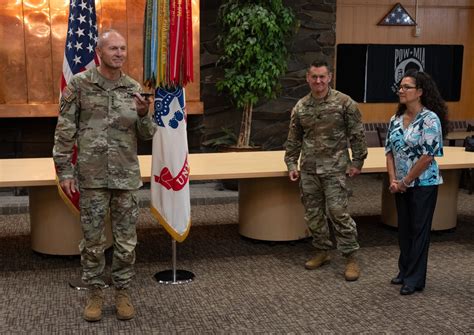
Gen. Randy George and Secretary of the Army Daniel Driscoll have emphasized that this transformation is not about asking for more funding, but about spending existing resources more effectively. Their meetings with key policymakers, including Vice President JD Vance, have focused on securing congressional buy-in for the offsetting cuts and demonstrating that the Army’s new approach strengthens readiness without expanding the defense budget.
The Future of Warfare: Implications and Challenges
The Army’s bold move toward drone integration signals a broader shift in military doctrine that aligns with trends in global warfare. As seen in Ukraine, drones have collapsed the traditional lines between surveillance and strike platforms, enabling units to conduct intelligence, surveillance, reconnaissance (ISR) and attack missions with the same low-cost systems.
However, this transformation also presents challenges. The logistical demands of maintaining thousands of drones in combat environments—ensuring battery availability, spare parts, secure communications, and cyber defenses—are significant. Moreover, adversaries will undoubtedly seek to exploit vulnerabilities in drone swarms through jamming, spoofing, and kinetic countermeasures.
The Army’s $3 billion investment in counter-drone capabilities acknowledges these risks. By integrating electronic warfare units capable of disrupting enemy drones and fielding kinetic systems to shoot them down, the Army aims to maintain aerial dominance even as the skies become crowded with unmanned platforms.
Toward a New Operational Paradigm
In sum, the Army’s initiative reflects a decisive recognition that future wars will be fought in contested, sensor-rich environments where speed, adaptability, and resilience are paramount. By equipping every division with swarms of drones capable of scouting, striking, and resupplying, the Army is not merely adding tools—it is fundamentally reshaping its doctrine, force structure, and battlefield expectations.
This transformation will demand new training regimens, revised tactics, and cultural adaptation within a service long defined by its reliance on armored firepower. Yet it also offers opportunities: enabling smaller units to punch above their weight, expanding ISR coverage, and allowing commanders to see and strike farther than ever before.
As Gen. George remarked, this is not about doing more with more—it is about doing more with what we already have, better and smarter. The coming years will test whether the Army can translate its vision into battlefield advantage, but one thing is clear: the drone era has arrived, and the U.S. Army intends to lead it.