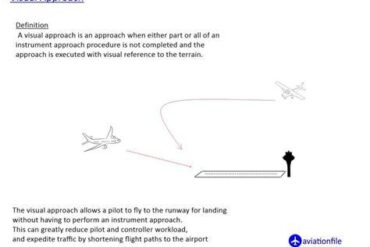
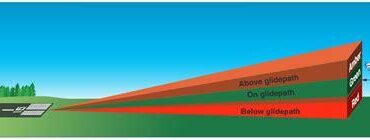
A visual approach is a method used when part or all of an instrument approach procedure is incomplete. In this case, pilots rely on visual references to navigate the terrain. According to JAR-OPS 1.435 (a) (8), these references can include various features around the airfield, especially runways, as well as runway visual aids like lights and Visual Approach Slope Indicator Systems (VASIS). Pilots often use elements of an instrument approach system, such as an Instrument Landing System (ILS) localiser, to help align for a visual approach.
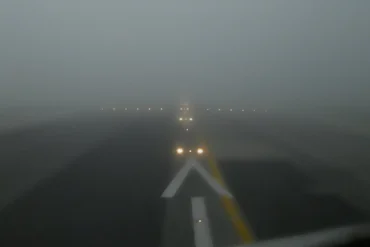
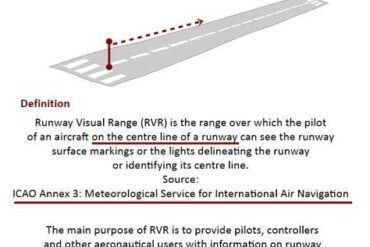
However, it’s important to note that visual approaches are not allowed when the Runway Visual Range (RVR) is below 800 meters, as stated in Appendix 1 to JAR-OPS 1.430 (g). While visual approaches are typically the first type taught to student pilots, they can pose risks. Careful consideration should be taken before choosing a visual approach over an instrument approach, especially in challenging conditions.