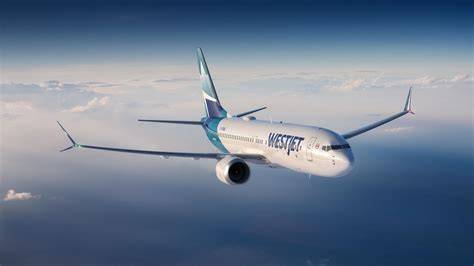
WestJet is making its onboard coffee experience distinctly Canadian through a new partnership with Tim Hortons, bringing one of the country’s best-known coffee brands into the skies. The collaboration will introduce a specially developed Flight Roast designed for the unique conditions of commercial aircraft, giving passengers a familiar taste of home while traveling at cruising altitude.
The new coffee will become available on eligible WestJet flights from November 30, 2026, at approximately 35,000 feet. Rather than simply placing a standard Tim Hortons coffee product onboard, the companies say the new blend has been specifically created with the inflight environment in mind. That distinction matters because coffee and other foods can taste noticeably different inside a pressurized aircraft cabin.
The partnership also represents a significant change in WestJet’s coffee strategy. The Calgary-based airline has spent roughly a decade working with McDonald’s McCafé, whose exclusive arrangement is due to end this fall. Tim Hortons will therefore take over as WestJet’s new coffee partner, creating a combination that brings together two highly recognizable Canadian brands.
Tim Hortons Flight Roast Is Designed For Aircraft Cabins
The centerpiece of the new partnership is Tim Hortons Flight Roast, a 100% Premium Arabica coffee roasted to a full medium. Tim Hortons’ coffee experts developed the blend specifically to perform well under conditions found aboard commercial aircraft, where reduced humidity, cabin pressure and background noise can influence how passengers perceive flavors.
The resulting coffee is described as smooth, rich and balanced, with tasting notes that include nuts, cocoa and red fruit. WestJet cabin crew will use the bespoke blend to prepare coffee for passengers, while Tim Hortons tea will also be available as part of the onboard offering.
The products will be offered on flights that currently provide inflight refreshments. That qualification is important because the partnership does not mean that every WestJet service will suddenly feature a full Tim Hortons menu. The airline and coffee company have not indicated that popular ground-based items such as donuts, sandwiches or breakfast muffins will be added to the aircraft menu.
The emphasis instead is on bringing the Tim Hortons coffee experience into the cabin. For many Canadian travelers, that could make a simple cup of coffee feel considerably more familiar during a flight.
Why Coffee Needs A Different Approach At 35,000 Feet
There is a scientific reason behind Tim Hortons’ decision to create a dedicated aviation blend. Taste perception changes during flight, meaning a coffee that tastes balanced on the ground can seem weaker or less expressive in the air.
Aircraft cabins have relatively low humidity, which can dry the nose and mouth and reduce the effectiveness of smell and taste receptors. Changes in cabin pressure can also affect how strongly passengers perceive certain flavors, particularly sweetness and saltiness. Meanwhile, the constant background noise inside an aircraft can further influence sensory perception.

That is why airlines and food suppliers often have to account for the aviation environment when developing inflight products. Coffee is especially interesting because it can be produced relatively consistently onboard, but the roast and flavor profile still need to work at altitude. A carefully selected blend can help compensate for the reduced sensory intensity passengers experience during a flight.
Tim Hortons’ Flight Roast is therefore more than a branding exercise. Its aviation-specific formulation is intended to make the coffee retain its character despite the unusual conditions of an aircraft cabin.
WestJet’s McCafé Partnership Is Coming To An End
The arrival of Tim Hortons follows the conclusion of WestJet’s long-running relationship with McDonald’s McCafé. The two companies announced their exclusive coffee partnership in 2016, with the arrangement taking effect the following December.
At the time, the scale of the partnership was substantial. WestJet expected to serve approximately 30,000 cups of coffee each day across around 650 flights, with plans to extend the offering to WestJet Encore. The relationship also extended beyond coffee, with WestJet and Ronald McDonald House Charities Canada working together to support families needing medical treatment away from home.
Unlike the new Tim Hortons arrangement, McCafé did not use a coffee blend specifically created for aviation. WestJet and McDonald’s instead developed distinctive joint branding for the inflight cups, while the cups also incorporated McDonald’s loyalty-program elements.
After nearly a decade, that chapter is now closing. The end of the McCafé agreement creates an opening for Tim Hortons to become WestJet’s new coffee partner.
WestJet And Tim Hortons Will Also Connect Loyalty Programs
The partnership will extend beyond the coffee served onboard. In 2027, WestJet Rewards and Tims Rewards members are expected to be able to link their accounts, allowing customers to earn points across both programs simultaneously.
That part of the agreement gives the collaboration a broader commercial purpose. Coffee is the visible element passengers will encounter onboard, but connecting the two loyalty programs could encourage customers to interact with both brands more frequently on the ground and in the air.
WestJet describes the partnership as a way to strengthen guest loyalty and enhance everyday experiences. John Weatherill, WestJet Group Executive Vice-President and Chief Commercial Officer, characterized the collaboration as a natural fit between the airline and Canada’s widely recognized coffee brand.
For WestJet passengers, the most immediate change will be much simpler: a cup of Tim Hortons coffee at cruising altitude. Starting November 30, 2026, that familiar Canadian ritual will become part of the airline’s inflight experience, marking a distinctly Canadian new chapter for WestJet’s coffee service.