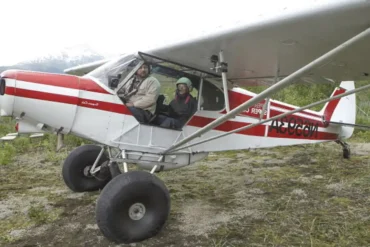
A bush pilot is not merely a flyer of planes but a lifeline to remote, often inaccessible regions where infrastructure is minimal and weather conditions are unpredictable. These aviators operate in some of the world’s most demanding environments, including the rugged Canadian North, the expansive Alaskan wilderness, the untamed jungles of Papua, and the far-flung interiors of Africa and South America. Their job is a marriage of aviation proficiency, mechanical aptitude, logistical planning, and raw survival instinct.
Flying into unprepared or marginal airstrips, whether on tundra, dirt, glaciers, or water, bush pilots are often the only reliable link between remote communities and essential resources. Their work sustains humanitarian aid missions, scientific research, eco-tourism, and resource industries, making them crucial contributors to global outreach and development.
The Aircraft That Define Bush Flying
The versatility of bush aviation is reflected in the diverse fleet bush pilots command. Aircraft selection is based not on luxury or speed but on durability, adaptability, and the ability to operate in extreme conditions. Key aircraft include:
-
Piper Cubs: Lightweight and nimble, perfect for short, rough strips.
-
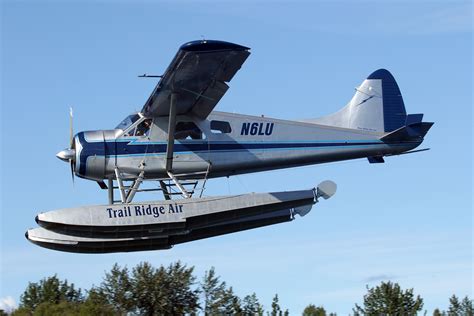
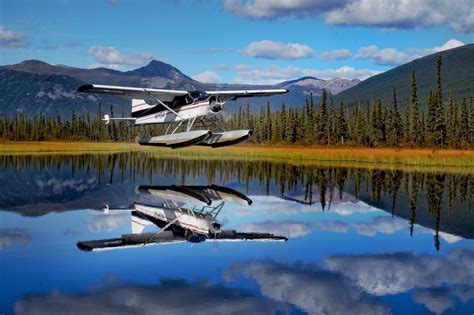
de Havilland Beavers and Otters: Legendary bush planes, many operating on floats or skis.
-
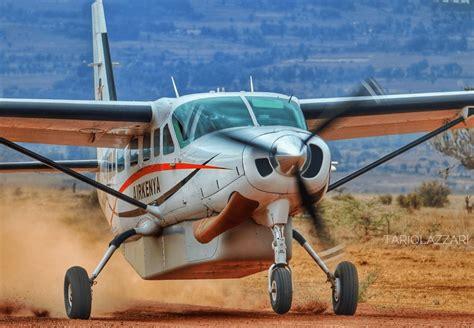
Cessna Caravans: Reliable, often float-equipped, used widely in both commercial and missionary aviation.
-
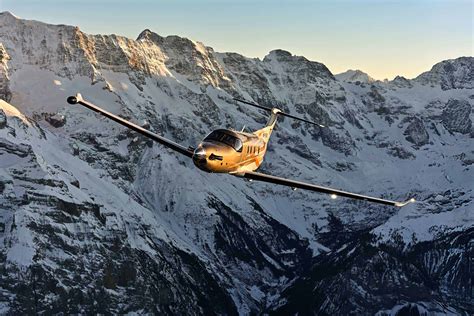
Quest Kodiaks and Pilatus PC-12s: Modern turbine aircraft growing in use due to better fuel efficiency and range.
Ferguson of the International Association of Missionary Aviation (IAMA) notes the trend toward turbine-powered aircraft, especially for mission aviation, due to the declining global availability of avgas.
The Skills and Traits Required
Bush piloting demands far more than textbook flying skills. Operating without nearby control towers, navigational aids, or maintenance bases means pilots must be self-reliant, resourceful, and composed under pressure. Keith Saulnier of Georgian Bay Airways stresses that attitude is as critical as flying skills. Pilots must be:
-
Resilient in adversity
-
Technically proficient in both flying and aircraft mechanics
-
Culturally adaptive when working in remote or international communities
-
Mentally sharp with excellent judgment, especially when weather turns unexpectedly
Furthermore, the ability to load and unload cargo, manage logistics, and even fix mechanical or technical problems is often essential. In missionary aviation especially, additional skills—whether as A&Ps (Airframe and Powerplant mechanics) or even as electricians or IT professionals—can significantly boost one’s employability.
How to Become a Bush Pilot
The route to bush piloting varies by mission type and region. Broadly speaking, two paths dominate: commercial bush operations and missionary aviation.
Commercial Path:
Most commercial bush pilots begin with a Commercial Pilot License (CPL) and acquire specific endorsements for float, tundra tire, tailwheel, or ski/glacier operations. Practical, area-specific flight time is often more valued than simply racking up hours. Many start on the ground, assisting with logistics and gaining exposure before getting their first flying assignments.
Missionary Path:
For missionary work, requirements are more rigorous:
-
Minimum 500 hours flight time
-
Commercial and instrument ratings
-
High-performance aircraft endorsement
-
Often, an A&P license or similar mechanical training
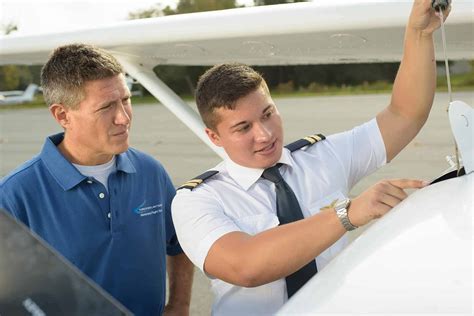
Organizations like IAMA offer technical evaluation courses to assess piloting skills, adaptability, and team mindset. After acceptance, candidates undergo additional orientation before posting overseas.
Where to Train as a Bush Pilot
North America boasts several reputable bush pilot training centers. For commercial pilots, specialized flight schools in Canada and Alaska offer real-world instruction on floatplanes, taildraggers, and tundra operations. Georgian Bay Airways, for instance, provides an immersive Career Bush Pilot Program.
For missionary aviation, more than a dozen U.S.-based colleges and organizations offer ab initio programs with overseas orientation. Notably, many schools are now exploring forgivable loan programs, reducing student debt for each year served abroad.
U.S. pilots trained in Canada can apply for a Foreign License Validation Certificate (FLVC) to gain FAA approval.
The Realities of Bush Pilot Duties
A day in the life of a bush pilot is often physically demanding and unpredictable. Commercial bush pilots haul supplies to mining camps, transport tourists to remote fishing lodges, or support emergency services in areas with no roads. Operations are frequently seasonal, with high activity during spring through fall.
In contrast, missionary pilots integrate deeply into the communities they serve. Besides flying, they may also assist in construction, offer medical transport, and maintain aircraft. Most assignments last four years, followed by a sabbatical year, and many return to their previous locations afterward.
How Much Do Bush Pilots Make?
Salaries vary dramatically based on job type, location, and experience.
-
Entry-level commercial pilots might earn $2,500/month.
-
Experienced pilots flying larger aircraft can reach $6,000 to $8,000/month.
-
The average salary for non-scheduled commercial operators in the U.S. is about $85,000 annually, per the Bureau of Labor Statistics.
Missionary pilots, on the other hand, do not receive fixed salaries. Instead, they raise personal support, typically amounting to $4,000 to $6,000/month. This funding covers living expenses, operational costs, and travel.
The Intangible Rewards
Beyond salary, bush pilots often cite freedom, adventure, and fulfillment as their greatest rewards. For missionary pilots, it’s about changing lives, providing access to healthcare, education, and connection where none existed before. For commercial aviators, the allure lies in true aviation independence, operating outside the constraints of air traffic control in some of the most beautiful and raw natural environments on Earth.
As Saulnier puts it: “There’s still romance in this kind of flying. It’s not just a job—it’s a lifestyle.”
FAQs on Bush Piloting
What certifications do I need to become a bush pilot?
To enter bush aviation, you typically need a Commercial Pilot License (CPL), along with specific endorsements such as floatplane, tailwheel, or ski/glacier ratings. Missionary pilots often require additional certifications like instrument ratings, high-performance endorsements, and sometimes mechanic certifications (A&P).
Can I become a bush pilot without a college degree?
Yes. While a college degree can help, it’s not mandatory. What matters most is flight experience, technical competence, and field-relevant skills. Some missionary programs do require or prefer degrees, particularly in aviation or technical disciplines.
Where can I get bush pilot training?
Respected training centers exist throughout Canada, Alaska, and select regions in the continental U.S. Schools such as Georgian Bay Airways and organizations like IAMA offer structured programs for both commercial and missionary career paths.