Understanding Aircraft Maintenance: The Backbone of Aviation Safety
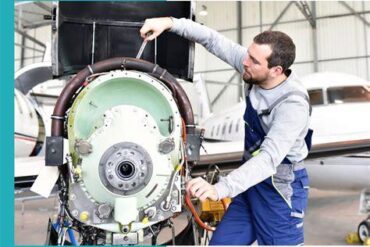
Aircraft maintenance is the systematic inspection, repair, overhaul, and certification of aircraft components, structures, and systems to ensure their continued airworthiness and compliance with aviation regulations. This field encompasses both scheduled and unscheduled procedures, executed under strict regulatory oversight by national and international authorities such as the Federal Aviation Administration (FAA) and the European Union Aviation Safety Agency (EASA).
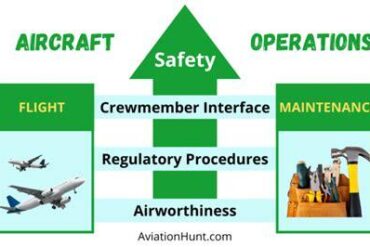
Aviation as an industry demands zero tolerance for error, and this culture of precision begins with aircraft maintenance. Without rigorous upkeep, no aircraft—regardless of its manufacturer or technology—can remain operational or safe.
Types of Aircraft Maintenance
Aircraft maintenance is generally classified into two main categories: line maintenance and base maintenance.
Line Maintenance
Line maintenance refers to routine checks and minor repairs conducted while the aircraft is in service or during brief ground times. It includes:
-
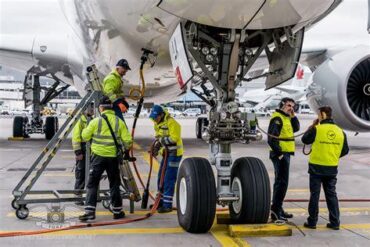
Transit checks – Performed during short layovers, focusing on fluid levels, tire conditions, and visible damage.
-
Daily checks – Conducted every 24–48 hours.
-
A-checks – Scheduled every 400–600 flight hours. These are minor but detailed inspections that include lubrication, filter changes, and safety equipment tests.
Base Maintenance
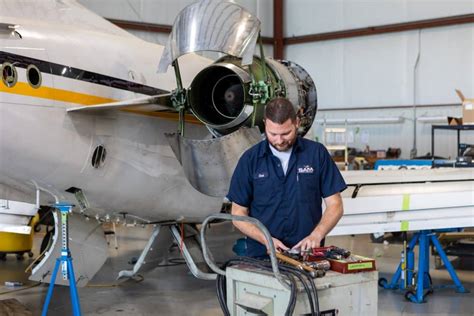
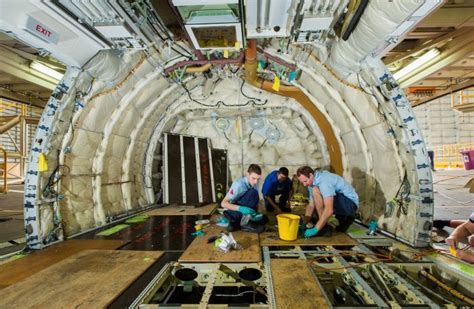
Base maintenance involves more in-depth inspections and is typically carried out in specialized maintenance hangars.
-
C-checks – Occur every 20–24 months or every 4,000–6,000 flight hours. These involve significant disassembly, inspection of structural components, avionics upgrades, and software checks.
-
D-checks (Heavy Maintenance Visits) – The most comprehensive and labor-intensive check, performed every 6–10 years. Aircraft are disassembled to their skeleton frame, inspected, and rebuilt.
Regulatory Oversight and Compliance
All maintenance activities are governed by stringent airworthiness directives and are documented in detail. Aviation authorities issue Mandatory Continuing Airworthiness Information (MCAI) which must be followed by operators. The documentation ensures traceability and accountability in the event of mechanical failure or audit.
Aircraft Maintenance Programs (AMPs) are tailored maintenance schedules designed by the manufacturer and approved by regulatory bodies. These AMPs dictate the frequency and scope of each maintenance event.
The Continuing Airworthiness Management Organization (CAMO) oversees compliance, tracks due maintenance events, and ensures that the aircraft remains airworthy throughout its operational life.
Key Roles in Aircraft Maintenance
The domain of aircraft maintenance is executed by certified professionals with different levels of responsibility:
-
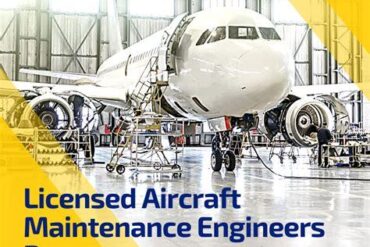
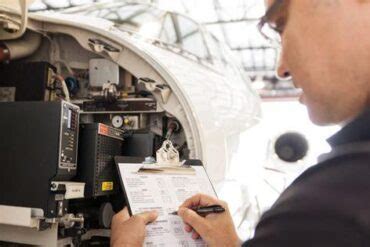
Licensed Aircraft Maintenance Engineers (LAMEs) – Hold licenses such as EASA Part-66 or FAA A&P. They are authorized to sign off maintenance work.
-
Maintenance Technicians – Perform tasks under supervision. Specializations may include avionics, engines, or structural systems.
-
Maintenance Planners – Coordinate schedules, parts procurement, and manpower allocation.
-
Quality Assurance Inspectors – Ensure compliance with technical standards and procedural accuracy.
Modern Technologies in Aircraft Maintenance
The integration of digital tools, predictive analytics, and AI-driven diagnostics has revolutionized aircraft maintenance. Airlines now adopt Maintenance, Repair and Overhaul (MRO) software systems like AMOS, TRAX, or Ramco Aviation, allowing real-time tracking and automation of service logs.
Key technological advancements include:
-
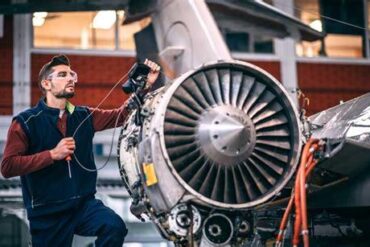
Non-Destructive Testing (NDT) – Uses ultrasonic, radiographic, or magnetic methods to detect internal flaws without damaging parts.
-
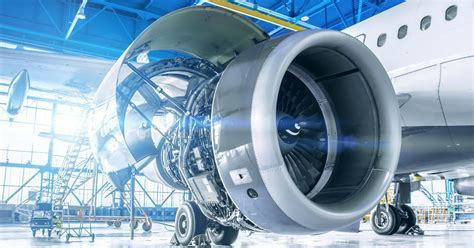
Borescope Inspections – Miniature cameras probe engines and confined spaces.
-
Predictive Maintenance – Analyzes data from aircraft Health Monitoring Systems (HMS) to detect trends and prevent failures.
-
Digital Twins – Virtual replicas of aircraft systems that simulate wear and predict future failures.
Cost and Downtime Considerations
Aircraft maintenance is a significant cost center. Major airlines spend approximately 10–15% of their operating costs on maintenance. A single D-check can cost upwards of $1–3 million and may keep the aircraft out of service for 30–60 days.
To optimize efficiency, MRO organizations focus on:
-
Lean maintenance processes
-
Just-in-time inventory systems
-
Outsourcing heavy checks to low-cost regions
Downtime is minimized through quick turnaround solutions, effective resource planning, and component pooling agreements, where spare parts are shared between carriers.
Maintenance of Military and General Aviation Aircraft
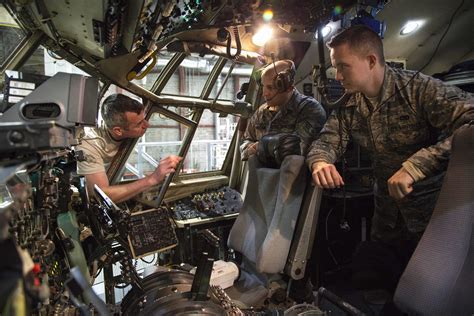
Unlike commercial aircraft, military aircraft undergo unique maintenance cycles known as Phased Maintenance Inspections (PMI). These are mission-specific and are heavily reliant on flight profiles and environmental stress.
General aviation aircraft, on the other hand, follow simplified schedules often guided by FAA FAR Part 43 and Part 91, depending on aircraft type and usage. Owner-operators are typically more hands-on, but work must still be certified by licensed professionals.
Human Factors and Safety Culture
Human error is a critical risk factor in aircraft maintenance. To mitigate this, the industry adopts a Safety Management System (SMS) that includes:
-
Fatigue management policies
-
Tool and Foreign Object Debris (FOD) control
-
Maintenance Error Decision Aid (MEDA) frameworks
-
Reporting systems for near-miss events
Training also includes Crew Resource Management (CRM) and continuous education modules to stay updated with new regulations and technologies.
Environmental Impact and Sustainability in Maintenance
With increasing pressure to reduce the aviation industry’s carbon footprint, MRO operations are adapting to greener practices:
-
Eco-friendly solvents and cleaning agents
-
Recycling of components and materials
-
Paperless maintenance documentation
-
LED lighting and solar-powered hangars
Sustainability is also being driven by airframe and engine OEMs, who design components with longer life cycles and fewer maintenance requirements.
Future Trends in Aircraft Maintenance
The future of aircraft maintenance lies in automation, digitization, and skill evolution. Trends to watch include:
-
Robotic Inspections: Automated drones capable of inspecting fuselage for dents and damage.
-
Augmented Reality (AR): Used for technician training and real-time guidance.
-
Blockchain-Based Maintenance Logs: Ensuring immutable and secure recordkeeping.
-
Remote Maintenance Certifications: Driven by connected aircraft technologies.
As aircraft become increasingly software-dependent, cybersecurity will also emerge as a maintenance consideration, especially for flight control systems and satellite communication links.
Conclusion
Aircraft maintenance is not just a technical function—it is a mission-critical discipline that ensures aviation safety, operational efficiency, and regulatory compliance. With innovations transforming every aspect of this field, from diagnostics to documentation, the role of maintenance in aviation is more dynamic and essential than ever before.
FAQs
What qualifications are required to become an aircraft maintenance engineer?
To become a licensed aircraft maintenance engineer, one must complete formal training from an approved Part-147 training organization and pass the respective licensing exams (e.g., EASA Part-66 or FAA A&P certification). Additional on-the-job experience is required to obtain certification privileges.
How often do aircraft undergo major maintenance?
Aircraft typically undergo major maintenance—like C-checks—every 18 to 24 months, while D-checks may occur every 6 to 10 years. The exact schedule depends on the aircraft type, utilization rate, and the operator’s approved maintenance program.
Can airlines perform maintenance in-house?
Yes, many major airlines operate their own in-house MRO divisions for both line and base maintenance. However, smaller operators or budget airlines may outsource some or all of their maintenance tasks to third-party MRO providers for cost efficiency.