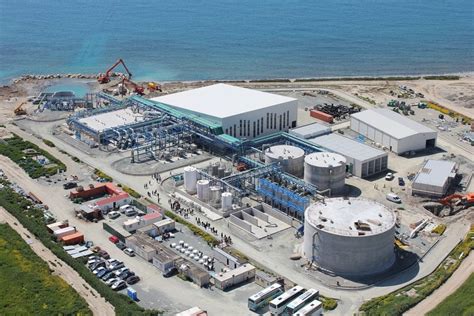
The Middle East has long been defined by oil politics, energy markets, and maritime chokepoints such as the Strait of Hormuz. Yet beneath this familiar narrative lies a quieter but increasingly decisive resource struggle—water security. In the latest escalation involving Iran, Israel, and U.S.-aligned Gulf states, desalination plants have emerged as one of the most vulnerable and strategically significant targets in the region. While oil refineries dominate headlines, the true “lifeline” of many Gulf societies lies in the infrastructure that converts seawater into drinking water.
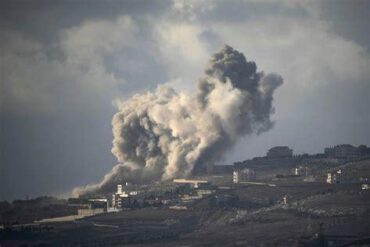
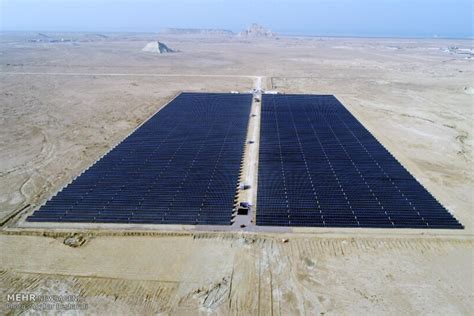
Recent incidents illustrate how this dynamic is shifting the strategic calculus of conflict in the Middle East. Iranian officials claimed that a freshwater desalination facility on Qeshm Island was struck in an attack that disrupted water supplies to dozens of villages. Almost simultaneously, Bahrain reported damage to one of its desalination facilities following an alleged Iranian drone strike. Although Bahraini authorities stated that the country’s water network continued to operate, the episode highlighted how fragile this essential infrastructure can be in times of geopolitical tension.
In a region where natural freshwater is scarce and populations depend heavily on engineered solutions, attacks on desalination plants carry consequences that extend far beyond immediate military objectives. Unlike oil facilities, which affect revenue and energy supply chains, desalination plants sustain the daily survival of millions of civilians.
The Hidden Lifeline of Gulf Nations
Desalination is not merely a technological convenience in the Middle East; it is a foundational pillar of modern urban life. Countries across the Gulf Cooperation Council (GCC)—including Saudi Arabia, Kuwait, Bahrain, Qatar, the United Arab Emirates, and Oman—derive a massive portion of their potable water from desalination facilities.
In Kuwait and Oman, nearly 90 percent of drinking water originates from desalination plants. Saudi Arabia, the region’s largest economy, relies on desalination for roughly 70 percent of its water supply. Even technologically advanced Israel obtains around half of its potable water from a network of five massive coastal desalination plants.
These figures reveal a stark reality: the prosperity of the Gulf’s glittering cities—Dubai, Riyadh, Doha, Abu Dhabi, and Kuwait City—rests upon massive industrial complexes that pull seawater from the Persian Gulf and convert it into drinkable water. If these facilities stop operating, the consequences unfold with alarming speed.
Water storage reserves in many Gulf cities can sustain populations only for days or weeks, not months. Disruptions to desalination output could quickly cascade into public health crises, urban evacuations, and political instability.
Why Iran Targets Desalination Plants Instead of Oil Refineries
Military planners often focus on infrastructure that delivers maximum strategic leverage with minimal effort. In that calculation, desalination plants represent uniquely vulnerable targets.
Oil refineries and export terminals, although critical to national economies, are typically fortified with layers of security and redundancy. Even when damaged, global markets and strategic reserves can cushion the impact.
Water infrastructure offers no such buffer.
A successful strike on a desalination facility could create immediate shortages affecting millions of civilians, particularly in cities that lack alternative freshwater sources. The destruction of pipelines, pumping stations, or associated power plants could disable entire regional networks.
From a purely strategic standpoint, targeting water systems can create psychological and political pressure far more quickly than hitting oil installations. Civilian populations may tolerate temporary fuel disruptions, but water scarcity triggers panic almost instantly.
Lessons From Declassified Intelligence Reports
Long before the current tensions, intelligence agencies recognized the fragility of desalination infrastructure. Declassified CIA assessments revealed that Middle Eastern officials themselves consider water security even more crucial than oil for national survival.
One analysis examining the aftermath of the Iran–Iraq War highlighted how vulnerable industrial facilities in the Gulf could be to missile or air attacks. During that conflict, Iran’s destruction of Iraqi oil export infrastructure demonstrated how easily strategic assets near the Persian Gulf could be disabled.
Arab governments realized that their water supply systems were equally exposed, yet many failed to develop adequate contingency plans.
The report warned that simultaneous attacks on multiple desalination plants could produce severe consequences:
- Rapid depletion of municipal water reserves
- Mass civilian displacement from major cities
- Political instability and potential civil unrest
The warning was stark: water shortages could trigger national crises faster than economic shocks.
Riyadh’s Week-Long Water Clock
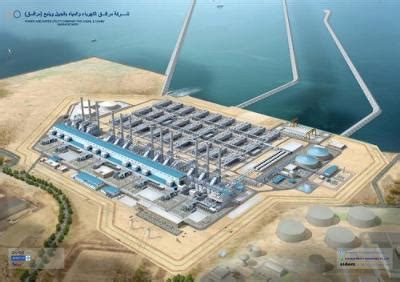
The vulnerability of water infrastructure became particularly clear through a U.S. diplomatic cable leaked by WikiLeaks in 2008. The cable described how a single desalination facility—the Jubail plant—provided more than 90 percent of Riyadh’s drinking water supply.
According to the document, if the facility or its pipelines were destroyed, Saudi Arabia’s capital might need to evacuate its population within a week.
Such a scenario illustrates the extraordinary dependence of Gulf megacities on a small number of industrial plants often located along exposed coastlines. Damage to associated power stations, intake pipes, or distribution pipelines could cripple the entire water system.
Following the leak, Saudi authorities reportedly strengthened water network resilience and expanded infrastructure redundancy. Yet the broader structural vulnerability remains.
Water as a Weapon in Modern Middle Eastern Warfare
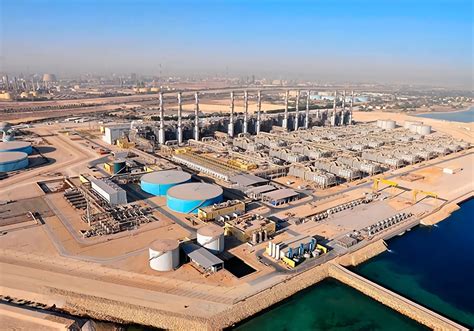
The strategic targeting of water infrastructure is not a new phenomenon in the region. Several conflicts over the past decade have demonstrated how water systems can be weaponized.
Saudi-led coalition operations in Yemen between 2016 and 2017 reportedly struck desalination facilities in areas controlled by Houthi rebels. In response, Houthi missile and drone attacks targeted Saudi desalination plants in 2019 and 2022.
Similarly, the Gaza conflict has seen widespread damage to water infrastructure. Reports suggest that by mid-2025, approximately 85 percent of Gaza’s water and sewage facilities had been partially or completely destroyed.
These examples demonstrate a troubling trend: water infrastructure increasingly sits at the center of strategic warfare, despite its civilian importance.
Academic experts studying environmental security argue that this shift reflects a broader transformation in modern conflict. Infrastructure that sustains daily life—electric grids, food systems, communications networks, and water facilities—has become an attractive target for military pressure.
Iran’s Own Growing Water Crisis
Ironically, Iran itself is not immune to water scarcity. Although historically reliant on rivers, aquifers, and reservoirs, the country has experienced prolonged drought conditions that have strained its freshwater supplies.
Years of declining rainfall, groundwater depletion, and population growth have intensified pressure on Iran’s water resources. In response, Tehran has also begun investing in desalination plants along its southern coastline.
This emerging dependence means that Iran’s own infrastructure may become vulnerable to similar disruptions. In a region defined by mutual vulnerability, water systems are increasingly entangled in geopolitical competition.
Legal Frameworks That Prohibit Water Infrastructure Attacks
International humanitarian law clearly recognizes the protection of civilian survival infrastructure, including water systems. Several legal frameworks prohibit attacks on facilities essential to civilian life.
Article 54 of the 1977 Additional Protocol I to the Geneva Conventions explicitly forbids the destruction of objects indispensable to civilian survival. The provision includes drinking water installations and irrigation systems among protected infrastructure.
Other international guidelines reinforce this principle:
- Berlin Rules on Water Resources prohibit actions that intentionally cut off civilian water supplies during conflicts.
- UN Security Council Resolution 2573 (2021) condemns attacks on civilian infrastructure critical to survival.
- UN Security Council Resolution 2417 (2018) links water system protection with preventing conflict-driven food insecurity.
- UN General Assembly Resolution 64/292 recognizes access to safe drinking water as a fundamental human right.
Despite these legal protections, enforcement during armed conflict remains extremely difficult. Missile strikes, drone attacks, and collateral damage often blur the line between deliberate targeting and unintended destruction.
The Humanitarian Catastrophe Risk
Experts warn that continued attacks on desalination facilities could lead to an unprecedented humanitarian crisis across the Gulf region. Millions of residents in major metropolitan areas rely almost entirely on desalinated water delivered through centralized distribution networks.
A coordinated assault on multiple plants could rapidly overwhelm emergency response systems.
Researchers studying Middle Eastern security note that water shortages escalate social tension quickly. Hospitals, sanitation systems, and power plants all rely on stable water supplies. Once these systems begin to fail, urban infrastructure deteriorates at alarming speed.
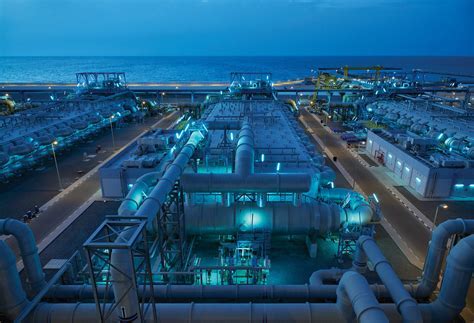
Cities such as Dubai, Doha, Abu Dhabi, and Manama have minimal natural freshwater reserves. Water rationing in such dense urban environments could trigger mass evacuations, economic shutdowns, and widespread public panic.
Because desalination plants require massive energy inputs, they are also tightly linked with power generation infrastructure. Damage to energy facilities can indirectly disable desalination plants, compounding the crisis.
Oil May Power Economies—Water Sustains Life
The Gulf region has spent decades preparing for disruptions in oil supply through strategic reserves, diversified export routes, and global energy markets. Comparable safeguards for water infrastructure are far less developed.
This asymmetry explains why desalination plants increasingly occupy the strategic spotlight in Middle Eastern conflicts.
Oil may fuel global industry and government budgets, but water sustains human life itself. Destroying an oil refinery disrupts commerce. Destroying a desalination plant can render an entire city uninhabitable.
In a region already confronting climate stress, population growth, and environmental degradation, the targeting of water infrastructure introduces a dangerous new dimension to geopolitical conflict.
The emerging reality is stark: the next major crisis in the Gulf may not begin with flames rising from oil terminals but with silent pipelines running dry.