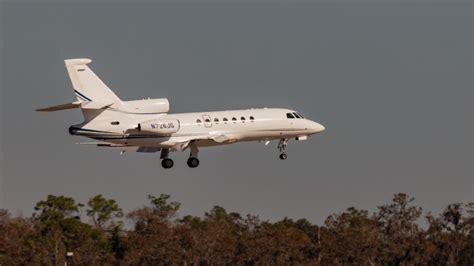
Florida has long been synonymous with sunshine, beaches, and opulence — but over the past decade, it has solidified a new status: the private jet capital of the world. With over 156,000 private jet takeoffs recorded in South Florida alone in 2022, the state now leads the nation in private aviation activity. This remarkable surge isn’t incidental. It’s a direct result of a confluence of economic trends, lifestyle preferences, infrastructural advantages, and post-pandemic behavioral shifts. From exclusive fly-in communities to the booming luxury real estate market designed for jet-setters, Florida has turned private aviation from a luxury into a lifestyle.
The Sky is the Limit: Unrivaled Volume of Private Jet Departures
The Florida Aviation Economic Impact Study revealed that the state logged more private jet departures than any other in 2022. South Florida stood at the forefront, with more than 156,000 takeoffs, a figure that surpasses private aviation hotspots like New York and California. The scale of activity suggests more than just affluence — it indicates infrastructure, convenience, and desirability.
With major hubs such as Palm Beach International Airport (PBI) and Naples Municipal Airport, the state caters to everything from compact turboprops to long-range Gulfstreams. These airports are tailored for luxury: streamlined customs, executive lounges, minimal delays, and access to Fixed Base Operators (FBOs) that provide everything from fueling to gourmet in-flight catering.
Real Estate with Runway Access: Aviation Meets Architecture
In Florida, real estate is more than land — it’s an extension of the airspace. Communities like Wellington Aero Club and Tailwinds Airpark are designed explicitly for private aviation enthusiasts. Residents can taxi their aircraft directly to and from their homes. These communities often feature:
- Private hangars attached to luxury estates
- Direct runway access within gated neighborhoods
- Fueling and maintenance services on-site
Proximity to aviation infrastructure has become a key factor in ultra-luxury home buying. High-net-worth individuals no longer prioritize just ocean views or golf courses. Today’s affluent buyers look for helipads, private docks, and terminals that can ensure discreet, time-efficient travel.
The COVID Catalyst: Pandemic as a Turning Point
The COVID-19 pandemic played a critical role in accelerating the trend toward private aviation. With commercial flights grounded or limited, Florida became a haven for travelers seeking flexibility, safety, and privacy. Palm Beach International Airport, for instance, saw a 95% increase in private traffic between 2019 and 2022. Naples Municipal Airport grew its passenger numbers from 113,000 to 184,000 in just a year.
What started as a response to necessity quickly became a preference. Jet owners discovered the convenience of bypassing TSA lines, flying on their own schedules, and avoiding crowded terminals. Many of these first-time private flyers became recurring users, embedding private aviation into their regular travel routines.
Boca Raton: A Quiet Powerhouse of Jet Travel
Among Florida’s aviation-rich cities, Boca Raton has emerged as a stealth favorite. While Miami and Palm Beach get most of the headlines, Boca provides the perfect blend of accessibility and tranquility. The city’s airport boasts a 6,276-foot runway, long enough to accommodate large private aircraft with ease.

Its proximity to both Miami’s business district and Palm Beach’s luxury corridors allows for convenient day trips and short-haul flights. Moreover, Boca Raton’s upscale yet understated lifestyle — with destinations like Mizner Park, elite private schools, and high-end healthcare — appeals to those seeking privacy without sacrificing sophistication.
The Business of Jetting: Florida’s Aviation Infrastructure Advantage
Florida isn’t just blessed with sunshine; it’s built for aviation. The state boasts a robust network of over 130 public-use airports, many of which support private aircraft operations. The density of these facilities means that jet owners are rarely more than 15 to 20 minutes from an airstrip.
This convenience is supported by a network of high-end FBOs operated by names like Signature Flight Support and Atlantic Aviation. These FBOs offer services such as:
- On-demand aircraft detailing
- Pilot lounges and concierge services
- Hangar space rentals
- Charter booking and coordination
Together, these facilities form an ecosystem that makes Florida the most pilot-friendly state in the country.
Luxury Beyond the Runway: How Real Estate Fuels Jet Culture
There’s a symbiotic relationship between Florida’s private aviation boom and its luxury real estate market. Cities such as Miami Beach, Palm Beach, Coral Gables, and Riviera Beach now feature properties explicitly designed for the aviation elite.
These homes often include:
- Gated entrances with helipad access
- Waterfront locations with private yacht slips
- On-site security and smart home systems
- Dedicated space for aircraft crew accommodations
Jet owners can fly in for a day, visit properties, and return home — all without stepping foot in a commercial terminal. This seamless mobility redefines time management for the wealthy and fuels high-end property transactions across the state.
International Access: Florida as the Gateway to the Caribbean
Florida’s strategic location makes it a natural gateway to the Caribbean, Central America, and even South America. Destinations like the Bahamas, Turks and Caicos, and the Dominican Republic are within a 60–90-minute flight from many Florida airfields.
Private jet travelers frequently use Florida as a staging point for leisure escapes and offshore investments. Airports like Fort Lauderdale Executive and Opa-locka Executive see heavy traffic from international private fliers who use Florida as both a destination and a departure hub.
Year-Round Weather and Airspace Flexibility
Another critical advantage that bolsters Florida’s dominance is its weather. The state enjoys year-round flying conditions, with relatively few weather disruptions compared to the Northeast or Midwest. This climate consistency is ideal for both short-notice flights and predictable operations.
In addition, Florida’s controlled but flexible airspace allows for efficient routing, making flight plans easier to execute and delays rare. For private jet users, that means more time at the destination and less time idling on tarmacs.
The Future of Florida’s Jet Economy
With current trends continuing, Florida is not just maintaining its title — it’s expanding it. Real estate developers are planning new fly-in luxury communities. Airport authorities are upgrading runways and adding private hangars. Aviation schools in the state are seeing increased enrollment, preparing the next generation of private jet pilots.
Moreover, sustainability trends are slowly emerging. Some FBOs have begun offering sustainable aviation fuel (SAF), and Florida airports are investing in greener infrastructure to accommodate electric or hybrid aircraft in the future.
Conclusion: Where Lifestyle Meets Lift-Off
What sets Florida apart is not just its wealth — it’s how seamlessly the state has integrated private aviation into its daily life. Here, jets are not just a symbol of status, but a tool of mobility, discretion, and efficiency. With a combination of ideal climate, cutting-edge infrastructure, exclusive real estate, and geographic advantage, Florida offers the full package for jet owners.
As the private aviation industry continues to grow, Florida’s dominance is set to soar even higher — solidifying its status as the unrivaled epicenter of global private jet culture.