The transatlantic travel map is being quietly redrawn for 2026, and the changes are far more interesting than another seasonal flight to a mega-hub. Airlines are pushing into underserved cities, historic regions, and lifestyle-driven destinations that travelers have wanted for years but could only reach with exhausting connections. What makes this wave different is not just volume, but intent. These routes are designed around experience, cultural access, and time efficiency, reflecting how modern travelers actually move.
Across North America, airlines are betting that passengers want fewer layovers, more authenticity, and direct access to places that feel meaningful rather than overrun. From Balkan capitals and Adriatic ports to pilgrimage cities, Mediterranean islands, and even the Arabian Peninsula, these new routes show how confidence has returned to long-haul aviation. Aircraft technology, especially efficient widebodies and long-range narrowbodies, is enabling flights that would have been commercially impossible a decade ago.
What follows is a deep look at ten of the most exciting new transatlantic airline routes launching or returning in 2026, why they matter, and how they are likely to shape travel patterns for years to come.
Toronto to Tirana: Air Transat Connects North America With Albania
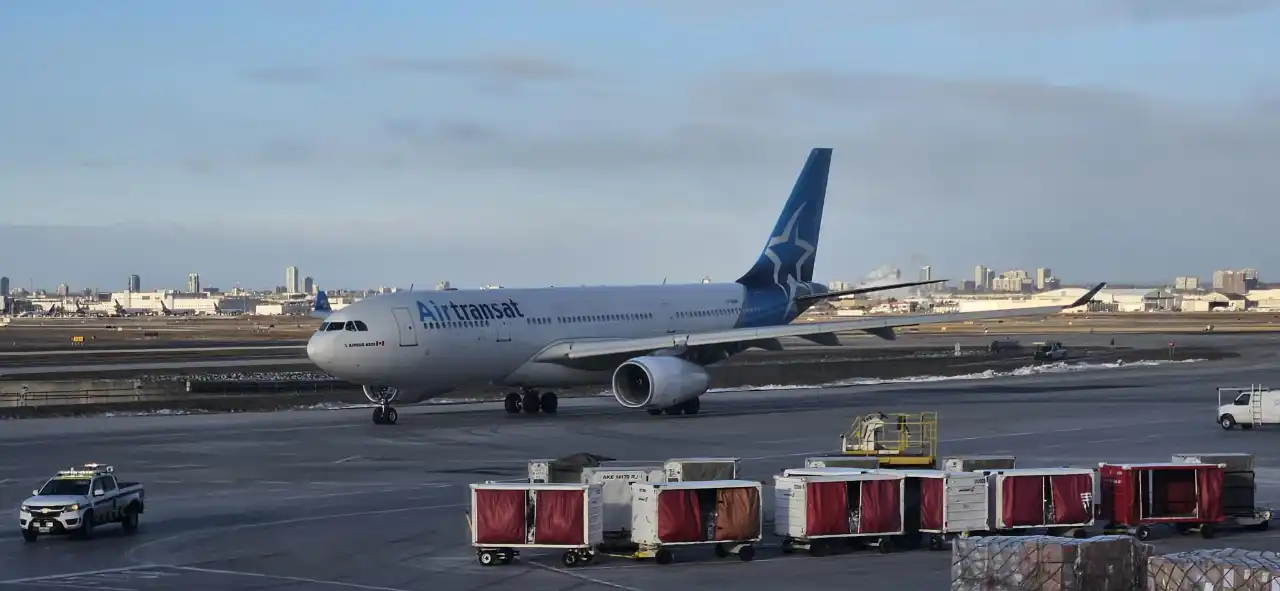
Air Transat’s decision to launch nonstop service between Toronto Pearson (YYZ) and Tirana (TIA) is more than a route announcement; it is a historic first. This flight becomes the only direct air link between North America and Albania, instantly elevating Tirana’s accessibility and visibility on the global tourism stage.
Albania has spent the past decade transforming quietly. Once overlooked, it now attracts travelers drawn to its Adriatic coastline, Ottoman-era towns, mountain landscapes, and refreshingly affordable lifestyle. Tirana itself has evolved into a lively capital known for café culture, creative energy, and a youthful population that blends tradition with modern ambition. For the Albanian diaspora in Canada, this route removes hours of connections and emotional distance.
The seasonal service, expected to operate two to three times weekly on an Airbus A330, provides a full long-haul experience and positions Air Transat as a niche network pioneer. This route succeeds not by chasing mass tourism but by serving a deeply underserved market with strong cultural and personal demand, a formula that has quietly become one of the smartest strategies in transatlantic aviation.
Montreal to Catania: Air Canada Brings Sicily Closer to Quebec
Air Canada’s new nonstop between Montréal–Trudeau (YUL) and Catania (CTA) taps directly into emotion, heritage, and appetite. Sicily has long held a special place for Canadian travelers, particularly in Quebec, where strong cultural ties, language affinity, and a love of Mediterranean living intersect.
Catania sits at the foot of Mount Etna, Europe’s most active volcano, and offers immediate access to baroque cities, black-sand beaches, and some of Italy’s most expressive cuisine. Until now, reaching eastern Sicily required connections through Rome or Milan. This new seasonal route removes that friction entirely, allowing travelers to land directly in the heart of the island.
Likely operated with a Boeing 787 Dreamliner, the flight balances range, comfort, and efficiency. It also reflects a broader trend: airlines no longer see Southern Europe as secondary to the continent’s traditional hubs. Sicily is no longer a detour; it is the destination.
Seattle to Rome: Alaska Airlines Enters the Transatlantic Arena
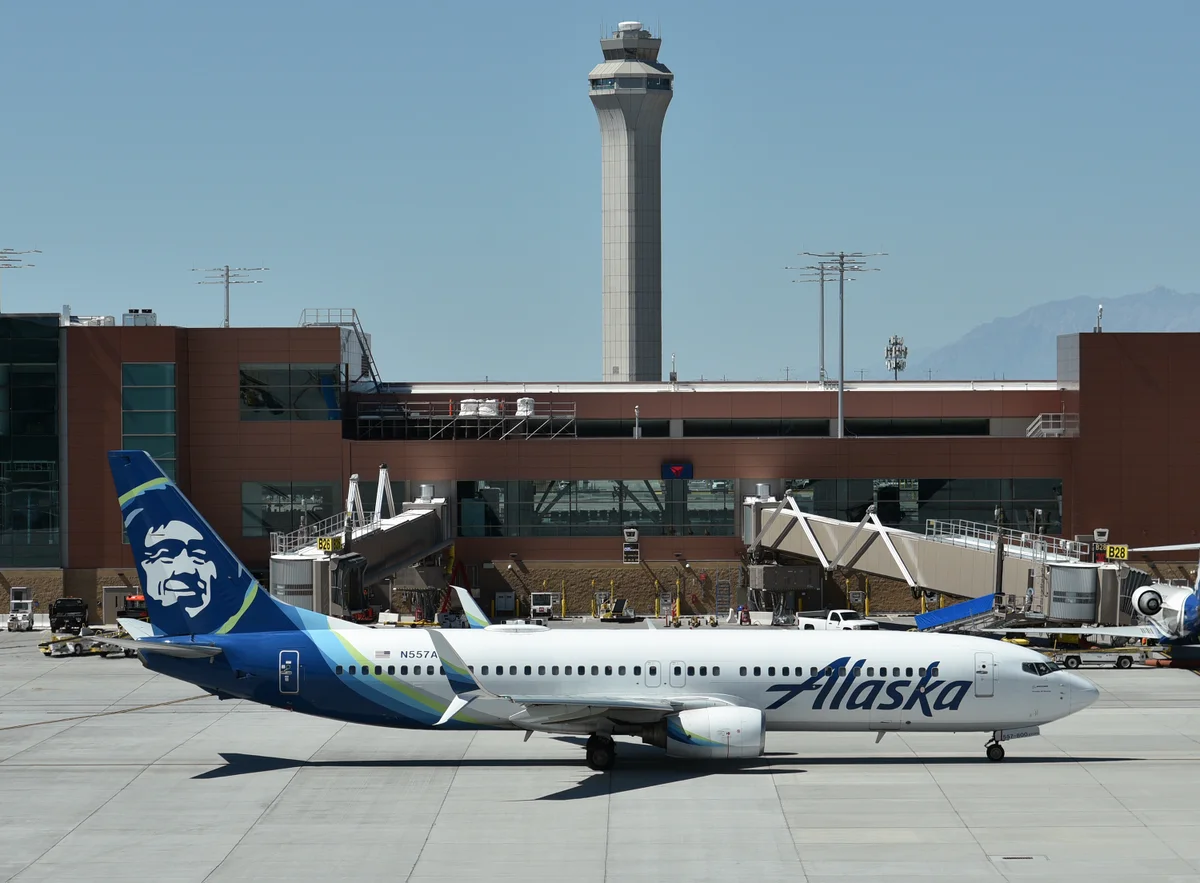
Alaska Airlines’ launch of nonstop service from Seattle (SEA) to Rome (FCO) marks a turning point for the carrier and for West Coast travelers. This is Alaska’s first-ever European route, and the choice of Rome is both symbolic and strategic.
Rome remains one of the world’s most magnetic cities, drawing travelers with its layered history, art, food, and unmistakable sense of scale. For Seattle-based passengers, reaching Italy has traditionally required a connection through the East Coast or a European hub. This new seasonal service eliminates that extra step, making Italy dramatically more accessible from the Pacific Northwest.
Operating four times weekly on a Boeing 787, the route also strengthens Seattle’s position as a true global gateway rather than a regional hub. Alaska’s move signals confidence in long-haul growth and suggests that legacy distinctions between “domestic” and “international” airlines are increasingly outdated.
Dallas to Athens: American Airlines Opens Greece to the Heart of Texas
American Airlines continues to expand its European footprint with a new daily seasonal flight from Dallas/Fort Worth (DFW) to Athens (ATH). This route connects one of the United States’ largest hubs directly with Greece’s cultural and logistical center.
Athens offers a rare combination of ancient history and modern energy, serving both as a destination and as a gateway to the Greek islands. From DFW, passengers gain seamless access not only to Athens itself but to onward connections across the Aegean.
The service, operated by a Boeing 787 Dreamliner, emphasizes comfort on the long crossing, with premium cabins designed for leisure and business travelers alike. Strategically, this route reinforces Dallas as a transatlantic powerhouse while acknowledging the growing American appetite for Greece beyond peak-season tourism clichés.
Philadelphia to Budapest: A Direct Link to Central Europe Returns
American Airlines’ return of nonstop service between Philadelphia (PHL) and Budapest (BUD) restores a vital connection that has been missing since before the pandemic. For Summer 2026, this daily seasonal route becomes the only nonstop link between the United States and Hungary.
Budapest has steadily risen in global appeal, celebrated for its thermal baths, grand architecture, and distinctive cultural rhythm shaped by Central European history. The city attracts leisure travelers, digital nomads, and business passengers alike, all of whom benefit from direct access rather than circuitous routings.
Philadelphia’s strong domestic network makes this route especially powerful, funneling passengers from across North America into Central Europe with just one stop. Operated by a Boeing 787, the flight underscores how restoring lost connectivity can be just as impactful as launching something entirely new.

Newark to Santiago de Compostela: United Opens a Pilgrimage Path
United Airlines’ new service from Newark (EWR) to Santiago de Compostela (SCQ) is one of the most culturally significant routes of 2026. This marks the first-ever regularly scheduled nonstop flight from the United States to the spiritual endpoint of the Camino de Santiago.
Santiago de Compostela is not a typical leisure destination. It is a place of reflection, history, and personal journey, attracting pilgrims and culture seekers from around the world. By launching this seasonal route three times weekly on a Boeing 737 MAX 8, United demonstrates how long-range narrowbody aircraft are enabling direct service to smaller but meaningful cities.
The route also enhances access to Galicia and northern Spain, regions known for dramatic coastlines, seafood-driven cuisine, and a pace of life distinct from the Mediterranean south. This is transatlantic travel aimed at purpose, not just pleasure.
Newark to Split: Croatia’s Adriatic Coast Goes Nonstop
United’s nonstop connection from Newark (EWR) to Split (SPU) introduces the first direct flight between the United States and this Croatian coastal city. Split has become one of Europe’s fastest-growing destinations, prized for its Roman heritage, island-hopping potential, and relaxed seaside energy.
Diocletian’s Palace forms the living heart of the city, blending ancient stone with modern cafés and waterfront promenades. Until now, reaching Split from the US required at least one European connection. This new seasonal service, operated with a Boeing 767-300ER, changes that equation completely.
The route reflects shifting traveler priorities. Instead of funneling everyone through mega-hubs, airlines are increasingly flying straight to the experiences people want most.

New York to Olbia: Delta Unlocks Sardinia’s Northern Coast
Delta Air Lines’ four-times-weekly service from New York-JFK to Olbia (OLB) places Sardinia firmly on the radar for North American travelers. Sardinia has long been cherished by Europeans for its crystal-clear waters, rugged interior landscapes, and fiercely local culinary traditions.
Olbia serves as the gateway to the Costa Smeralda, a region known for dramatic beaches and understated luxury. Delta’s use of the Boeing 767-300ER, featuring Delta One and Premium Select cabins, signals confidence in both high-end leisure demand and broader lifestyle travel.
This route appeals to travelers who want Italy without crowds, authenticity without inconvenience, and direct access to one of the Mediterranean’s most distinctive islands.
New York to Malta: Delta Connects America to a Mediterranean Crossroads
Delta’s new JFK to Malta (MLA) service offers something genuinely rare: a direct connection between the United States and a small island nation with an outsized historical footprint. Malta’s blend of North African, Italian, and British influences creates a cultural mosaic unlike anywhere else in Europe.
Valletta, the capital, is compact yet rich, filled with baroque architecture, maritime history, and a vibrant nightlife that belies the island’s size. English being an official language makes Malta especially accessible for American travelers, while its location allows easy exploration of the wider Mediterranean.
Operating three times weekly on a Boeing 767-300ER, this route exemplifies how customer-driven planning can surface destinations that traditional network models might overlook.

Atlanta to Riyadh: Delta Redefines the Transatlantic Frontier
Delta’s forthcoming nonstop service from Atlanta (ATL) to Riyadh (RUH) stands apart from every other route on this list. Launching in October 2026, it becomes the first direct flight by a US airline between North America and Saudi Arabia.
This route stretches the definition of transatlantic travel, extending it beyond Europe into the Middle East. Riyadh is rapidly evolving into a global business and cultural hub, driven by economic diversification, tourism initiatives, and large-scale infrastructure projects.
Operated three times weekly with the Airbus A350-900, the flight offers Delta One suites and a full premium long-haul experience on a journey lasting around 13 hours. Symbolically, this route represents a new era of connectivity, diplomacy, and opportunity, linking two major economic regions with unprecedented ease.

Why These Routes Matter More Than Ever
Taken together, these ten routes tell a clear story about where aviation is heading. Airlines are no longer focused solely on funneling passengers into the largest hubs. Instead, they are leveraging aircraft efficiency, data-driven planning, and shifting traveler values to create direct, meaningful connections.
These routes reduce travel fatigue, open new regions to global audiences, and reflect a deeper understanding of why people travel in the first place. Whether driven by heritage, culture, leisure, or business, the routes launching in 2026 show that the future of transatlantic travel is not just bigger, but smarter.
For travelers, this means more choice, less compromise, and a world that feels just a little closer than before.