Warplanes have defined not only the skies but the course of modern warfare. From the dogfights of World War II to Cold War reconnaissance and modern multi-role combat missions, these aircraft have left deep imprints on military history and global geopolitics. Here are 11 of the world’s most famous warplanes, each a technological marvel and a historical milestone in its own right.
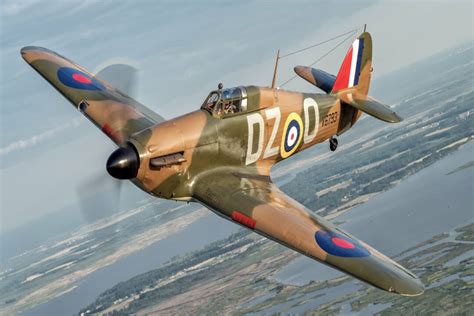
Hawker Hurricane: Britain’s Unsung Defender
The Hawker Hurricane played a pivotal role in the Battle of Britain, earning its place alongside the more famous Spitfire. Although often overshadowed, it accounted for 60% of the RAF’s air victories during the battle. Designed by Sydney Camm, this monoplane fighter first flew in 1935, featuring a fabric-covered wing structure that was later upgraded to aluminum for improved performance and durability.
Powered by the Rolls-Royce Merlin engine, the Hurricane’s eight .303 Browning machine guns made it a formidable foe in air-to-air combat. Its ability to operate from rough fields and its mechanical simplicity made it a robust option across all fronts, from North Africa to the Eastern Front.
U-2 Spy Plane: The High-Altitude Watcher
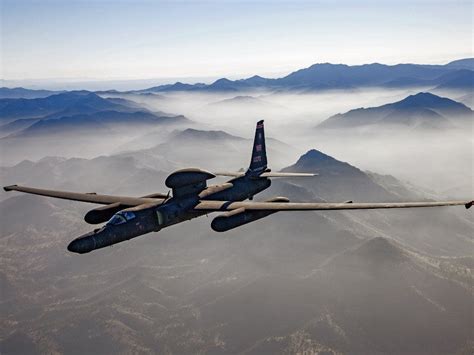
Developed during the Cold War by Lockheed’s Skunk Works division, the U-2 “Dragon Lady” became a symbol of aerial espionage. With its ultra-high-altitude reconnaissance capability, it could fly above 70,000 feet—well beyond the reach of most enemy defenses in the 1950s. Its significance peaked during the U-2 Incident in 1960, when pilot Gary Powers was shot down over the Soviet Union.
The U-2 remains in service today, upgraded with modern sensors and avionics. It played a critical role in confirming Soviet missile installations in Cuba during the Cuban Missile Crisis, and continues to support NATO intelligence missions.
B-52 Stratofortress: The Indomitable Bomber
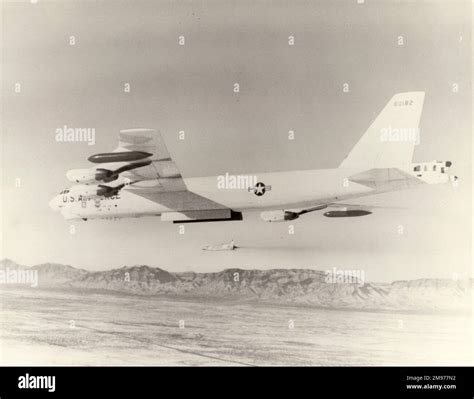
Few aircraft symbolize enduring power like the B-52 Stratofortress. Designed in the late 1940s, this long-range strategic bomber first entered service in 1955 and has served through every major U.S. conflict since the Vietnam War. With a range of over 8,800 miles without refueling and a payload capacity of 70,000 pounds, the B-52 remains a core component of America’s nuclear and conventional strike force.
Powered by eight jet engines and retrofitted multiple times with advanced navigation and electronic warfare systems, the B-52 is expected to remain in service until at least the 2050s, making it one of the longest-serving military aircraft in history.
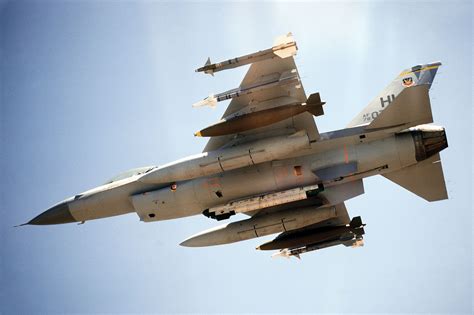
F-16 Fighting Falcon: The Global Multirole Fighter
Known as the “Viper” by its pilots, the F-16 Fighting Falcon combines affordability with cutting-edge technology. Introduced in 1978, the F-16 quickly became the most exported modern fighter jet, used by over 25 nations. Designed for high agility with a frameless bubble canopy and side-mounted control stick, it is equally effective in air-to-air combat and ground attack missions.
Its combat record spans numerous conflicts, including the Gulf War, the Israeli-Lebanese conflicts, and recent NATO operations. With upgrades like AESA radar and advanced targeting pods, newer variants like the F-16V keep this aircraft in frontline service.
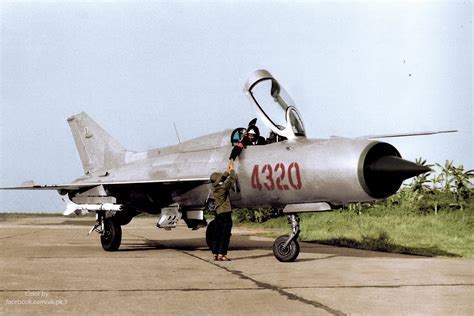
MiG-21: The Cold War Workhorse
The MiG-21, designed by the Mikoyan-Gurevich Design Bureau, is one of the most widely produced supersonic jet aircraft in history, with over 11,000 units built. Introduced in 1959, this Soviet interceptor became a symbol of Cold War air power and was used by more than 40 countries.
Renowned for its simplicity, speed (Mach 2), and ease of maintenance, the MiG-21 saw action in numerous wars: from Vietnam to the Arab-Israeli conflicts. It was not only a fighter but also a political tool, spreading Soviet influence across Asia, Africa, and Eastern Europe.
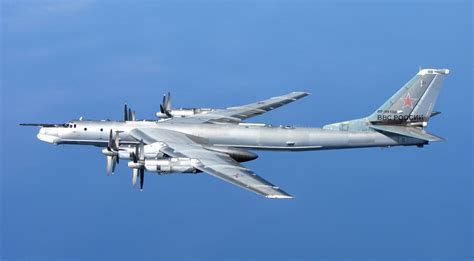
Tupolev Tu-95: Russia’s Propeller Giant
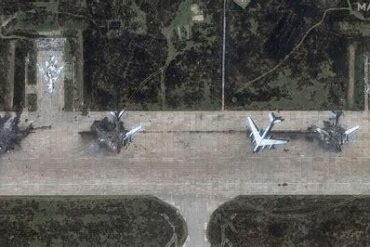
Nicknamed “Bear” by NATO, the Tu-95 remains a striking figure in modern military aviation due to its contra-rotating propellers and turboprop design. First flown in 1954, this long-range strategic bomber was Russia’s answer to U.S. airborne deterrents. Capable of carrying nuclear cruise missiles, it is one of the few Cold War-era aircraft still actively serving today.
With over 50 units in current Russian service, the Tu-95 is frequently seen patrolling international airspace, signaling Russia’s strategic intent and global reach.
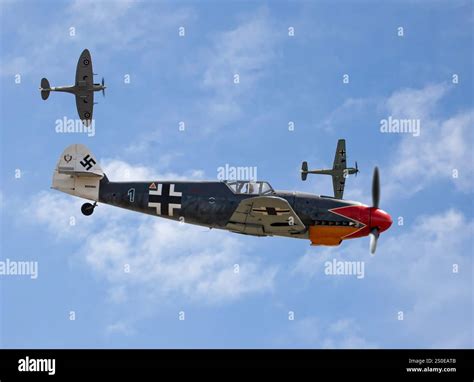
Bf 109: Nazi Germany’s Air Spearhead
The Messerschmitt Bf 109 was Germany’s most produced fighter and saw action from the Spanish Civil War through to the fall of the Third Reich. Equipped with Daimler-Benz engines and a mix of machine guns and 20-mm cannons, the Bf 109 was highly versatile, though it performed best at low and medium altitudes.
During the Battle of Britain, it clashed with Hurricanes and Spitfires in one of history’s most iconic aerial battles. Its agile frame and powerful armament made it a fierce opponent in Europe and North Africa.
P-51 Mustang: The Long-Range Legend
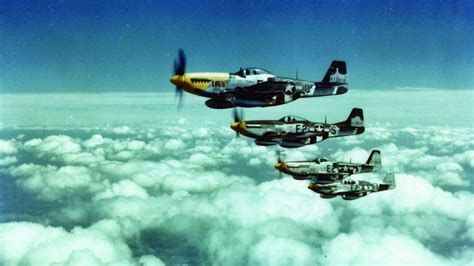
The P-51 Mustang is perhaps the most celebrated Allied fighter of World War II. Originally built for the British RAF, it found fame with the U.S. Army Air Forces thanks to its Rolls-Royce Merlin engine, which enabled it to escort bombers deep into Germany. With its streamlined fuselage and bubble canopy, the P-51 offered excellent visibility and unmatched performance.
It was instrumental in gaining air superiority over Europe, particularly in Operation Pointblank, which decimated the Luftwaffe. Its range and firepower made it a dominant force well into the Korean War.
Dassault Mirage: France’s Aviation Revolution
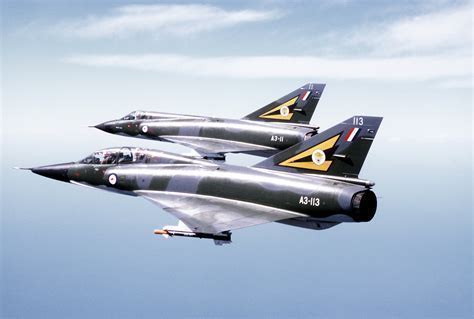
France’s Dassault Mirage family brought delta-wing design into the spotlight. The Mirage III, first flown in 1956, offered supersonic capability and became the cornerstone of many smaller air forces during the Cold War. Its combat debut during the Six-Day War cemented its reputation, with Israeli pilots achieving numerous kills against Soviet-made MiGs.
Later variants like the Mirage 2000 introduced multirole capabilities and digital avionics, keeping the line alive into the 21st century. Nations like India, UAE, and Brazil continue to operate upgraded Mirages.
Mitsubishi Zero: Japan’s Agile Assassin
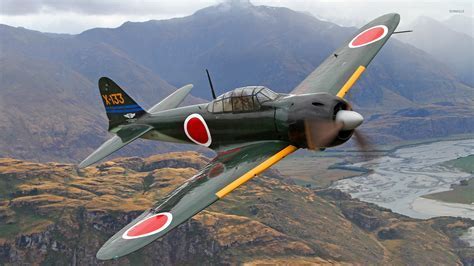
Few warplanes evoke awe and fear like the Mitsubishi A6M Zero. Introduced in 1940, the Zero was the first carrier-based fighter to outperform land-based equivalents. It dominated the early Pacific theater with its incredible maneuverability, long range, and lightweight frame.
However, its lack of armor and self-sealing fuel tanks became fatal flaws as the war progressed. By 1943, Allied tactics and superior aircraft like the Hellcat began to neutralize the Zero’s early advantages. Still, it remains a symbol of Imperial Japan’s aerial prowess.
A-10 Thunderbolt II: The Warthog’s Bite
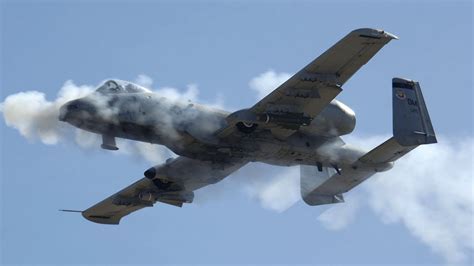
The A-10 Thunderbolt II, affectionately known as the “Warthog,” is a tank killer without equal. Introduced in the 1970s, it features a 30mm GAU-8/A Avenger rotary cannon capable of destroying heavily armored targets. Its titanium-armored cockpit, redundant systems, and straight-wing design allow it to loiter low and slow over battlefields, supporting troops directly.
Used extensively in Iraq, Afghanistan, and against ISIL, the A-10 has proven its value repeatedly. Despite multiple attempts to retire it, the platform’s survivability and effectiveness continue to earn it a lifeline in modern conflicts.
Conclusion
These 11 warplanes represent the pinnacle of their eras, blending engineering, doctrine, and national ambition. Each aircraft, whether it dominated the skies or defined the edge of reconnaissance, altered the trajectory of military aviation. They are more than machines—they are instruments of history, power, and innovation, shaping the battles and the balance of global power.