The phrase “business class” promises more than extra legroom and a better meal tray. It suggests sanctuary at 35,000 feet. It hints at quiet productivity, restorative sleep, attentive service, and the subtle thrill of feeling genuinely valued. Yet anyone who flies frequently knows the truth: not all business class cabins are created equal. Some flights leave you refreshed and oddly grateful for the miracle of aviation. Others make you question how something so expensive can feel so mediocre.
The difference lies in details. Tiny design decisions, service philosophies, and culinary investments accumulate into either excellence or disappointment. Below are the twelve features that consistently separate a great business class experience from one that merely looks good in a marketing brochure.
1. Direct Aisle Access and Meaningful Privacy
At its core, business class is about the seat. Not the branding. Not the champagne. The seat.
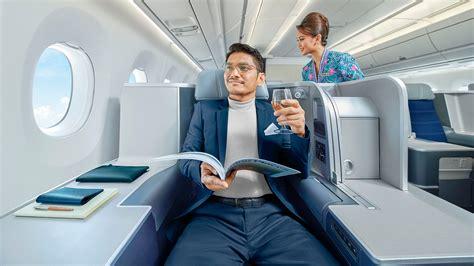
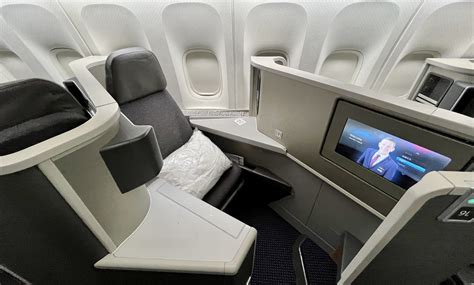
Direct aisle access is non-negotiable in modern premium cabins. No one wants to awkwardly step over a sleeping stranger just to use the lavatory. Window seats should provide the freedom to gaze at the horizon without logistical gymnastics.
Privacy, however, is the deeper luxury. A well-designed seat offers shielding from the aisle—enough to feel cocooned without feeling claustrophobic. Doors are fashionable, but thoughtful architecture matters more than sliding panels. High sidewalls, angled positioning, and subtle partitions can achieve remarkable serenity.
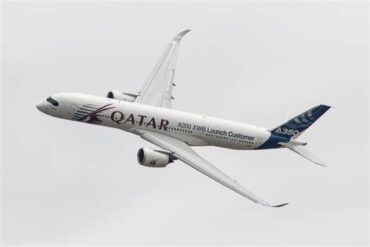
Some airlines go further. Qatar Airways’ Qsuites reimagined business class by allowing passengers to convert seats into double beds or shared pods. That flexibility recognizes a truth many airlines ignore: not every premium traveler flies alone.
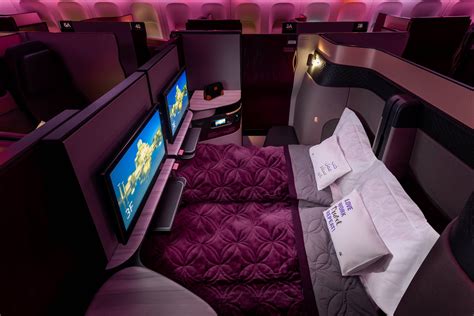
When privacy and accessibility coexist seamlessly, the cabin stops feeling like a crowded tube and starts feeling like a personal retreat.
2. Fast, Affordable, or Free Wi-Fi
Connectivity is no longer a novelty; it is infrastructure. For many travelers, especially those who work remotely, the quality of onboard Wi-Fi can define the entire journey.
A great business class experience includes fast, stable internet without punitive data caps. Few things sour a premium ticket faster than paying for Wi-Fi that barely loads email. Increasingly, airlines adopting satellite systems like Starlink are delivering speeds that rival home broadband.
Free Wi-Fi in business class is rapidly becoming the gold standard. When connectivity is seamless, the aircraft transforms into a flying office, studio, or living room. When it fails, the illusion of modernity collapses.
3. Bedding That Invites Real Sleep
A lie-flat seat is only the beginning. The real question is whether you can sleep deeply enough to forget you are crossing oceans inside a pressurized metal cylinder.
Great bedding includes a supportive pillow, a breathable duvet, and ideally a mattress pad. Texture matters. Weight matters. Temperature control matters. Scratchy blankets and flat, lifeless pillows undermine even the most technologically advanced seat.
Some airlines collaborate with luxury bedding brands, recognizing that sleep quality directly influences how passengers perceive the entire product. When you wake up feeling human after a red-eye flight, the airline earns loyalty that no marketing campaign can buy.
4. Food That Tastes Good—Not Just Sounds Good
Airline menus love adjectives. “Seared.” “Artisanal.” “Heritage.” But flavor cannot be faked.
At altitude, taste perception changes. Cabin pressure and dry air dull the senses, particularly sweetness and saltiness. Airlines that understand this adjust seasoning and texture accordingly. The result is food that tastes vibrant despite physiological constraints.
Presentation also matters. Crisp plating, thoughtful garnishes, and coordinated service elevate the experience. However, substance always outranks style. A perfectly executed pasta dish is more satisfying than an ambitious but poorly prepared wagyu creation.
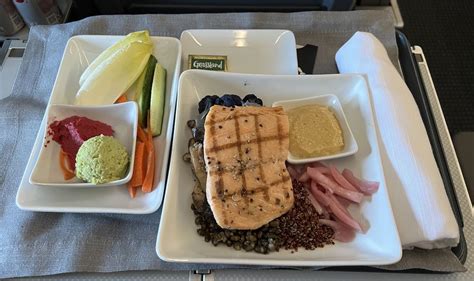
When airlines balance culinary ambition with realism, passengers feel nourished rather than merely impressed.
5. Friendly, Attentive Service Without Theatrics
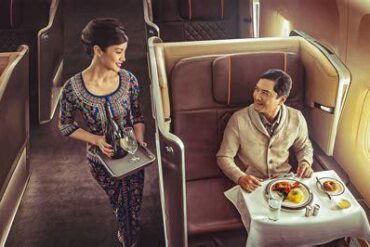
Service style varies by culture and airline philosophy. Some carriers adopt a discreet, almost invisible approach. Others are proactively attentive, refilling glasses before you notice they are empty.
What matters most is sincerity. Passengers should never feel like an inconvenience. A smile, consistent eye contact, and calm professionalism create an atmosphere of ease.
The best crews read the cabin intuitively. They recognize who wants conversation and who wants solitude. They anticipate needs without hovering. Hospitality at altitude is complex—limited space, unpredictable turbulence, and time constraints add friction—but when done well, it feels effortless.
6. Individual Air Nozzles and Cabin Comfort
Temperature is personal. One passenger feels chilled; another overheats under a duvet. Individual air nozzles offer control in an environment where control is scarce.
Surprisingly, many airlines omit them in premium cabins, prioritizing aesthetics over practicality. Yet airflow can dramatically improve sleep quality and overall comfort. A gentle stream of cool air helps offset warm cabin temperatures and enhances the sense of personal space.
It is a small engineering decision with disproportionate impact.
7. Dine-On-Demand or Efficient Meal Service
Flexibility defines modern luxury. Dine-on-demand service allows passengers to eat when they choose rather than conforming to a rigid timetable. This is especially valuable on overnight flights, where maximizing sleep often outweighs culinary indulgence.
However, flexibility alone does not guarantee quality. Airlines must manage inventory carefully to avoid running out of popular dishes early in the flight.
When dine-on-demand is not offered, efficiency becomes critical. On shorter overnight routes, swift service can make the difference between three hours of rest and five. Premium passengers appreciate speed when speed serves comfort.
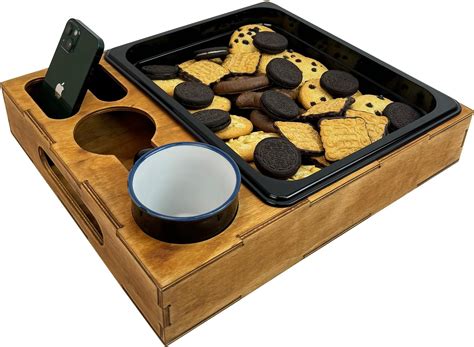
The true objective is respect for the traveler’s time and biological rhythm.
8. Extensive and Thoughtful Inflight Entertainment
For some passengers, inflight entertainment defines the journey. A vast library of films, series, documentaries, and music creates a sense of abundance.
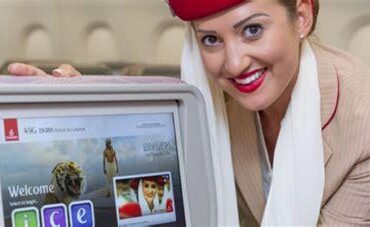
Airlines like Emirates with its ICE system and Qatar Airways with Oryx One set high standards in both quantity and interface design. High-resolution screens, responsive controls, and intuitive navigation enhance immersion.
Aviation enthusiasts, meanwhile, cherish moving maps and tail cameras. Watching the curvature of the Earth or observing wing flex during turbulence transforms the flight into a living documentary.
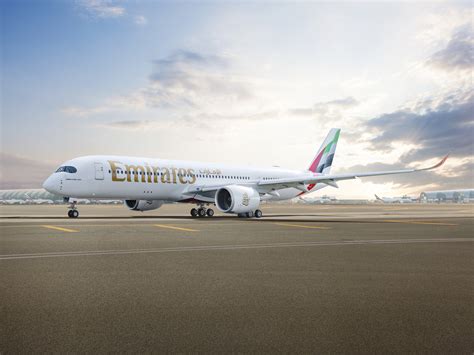
Entertainment is not merely distraction; it is psychological architecture that shapes perception of time.
9. Quality Coffee and Espresso-Based Drinks
Coffee in the sky has a reputation problem. Aircraft water systems, altitude effects, and bulk brewing methods often produce bitter, lifeless results.
Premium cabins increasingly counter this with proper espresso machines capable of producing cappuccinos and lattes with genuine crema. Some airlines now offer iced coffee and cold brew, reflecting broader café culture trends.
The difference is profound. After a restful flight, receiving a well-crafted cappuccino signals care and sophistication. It turns wake-up into ritual rather than necessity.
10. A Refined Alcohol Selection
Champagne, curated wines, and thoughtfully chosen spirits enhance celebration and relaxation alike. In business class, alcohol is less about volume and more about curation.
Quality labels matter, but presentation matters too. Glassware, temperature control, and knowledgeable recommendations elevate the experience. Emirates’ onboard A380 lounge exemplifies how environment amplifies beverage enjoyment.
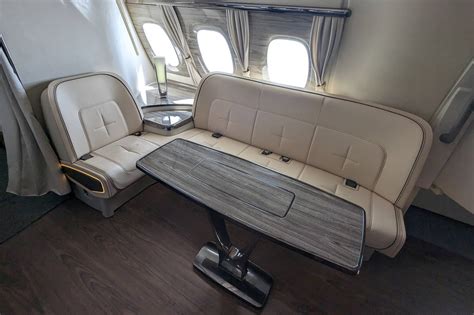
When wine complements the meal and champagne is poured with intention, indulgence feels deliberate rather than excessive.
11. Amenity Kits and Pajamas That Feel Considered
Amenity kits can veer into gimmick territory, yet when executed thoughtfully, they reinforce brand identity. High-quality skincare products, practical dental kits, and comfortable eye masks add tangible value.
Some airlines go further with pajamas in business class. Qatar Airways’ collaborations with luxury brands have set benchmarks for both fabric quality and design.
While these extras may not define the flight, they contribute to the narrative of premium care. They are tactile reminders that the airline invested in more than marketing copy.

12. Authentic Local Flair and Cultural Identity
Airlines serve as ambassadors. The most memorable business class experiences incorporate authentic elements of their home country.
This may appear in the form of regional dishes, boarding music, language nuances, or traditional welcome beverages. Oman Air’s Arabic coffee and dates offer a culturally rooted welcome that transcends generic hospitality.
Local flair differentiates. It transforms a standardized global product into something textured and meaningful. Travelers remember emotional resonance more than seat dimensions.
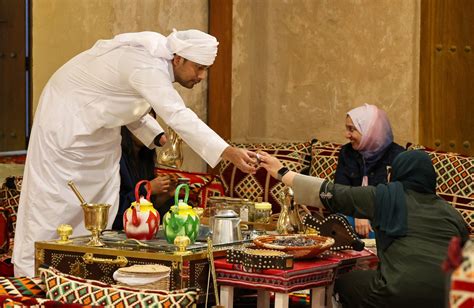
When culture infuses service, business class becomes storytelling in motion.
Why These Features Define True Premium Travel
A great business class experience is not built on one spectacular element. It is built on coherence. The seat supports sleep. The bedding enhances it. Service respects individuality. Food satisfies without pretense. Connectivity empowers productivity. Entertainment shapes time. Small comforts—airflow, espresso, pajamas—reinforce the sense of care.
When these elements align, passengers disembark feeling restored rather than merely transported. They remember the flight not as a necessary inconvenience but as part of the journey’s pleasure.
Airlines that understand this holistic equation cultivate loyalty that endures fare sales and route changes. Business class then fulfills its promise: a space where efficiency and comfort coexist, where modern technology meets human hospitality, and where crossing continents feels less like endurance and more like privilege.
In a competitive global aviation market, excellence is not accidental. It is engineered through thousands of micro-decisions that passengers may never consciously notice—until they are absent.