The 2026 Iran Crisis has triggered one of the most dramatic disruptions to Middle Eastern aviation in recent history. Commercial airline networks that normally stitch together Europe, Asia, and Africa through Gulf mega-hubs have suddenly fractured. As missiles fly, airspace closes, and commercial schedules collapse, thousands of travelers remain stranded across the region. In the middle of this uncertainty, a striking phenomenon has emerged: private jet charters priced as high as $200,000 for a single one-way flight out of the Gulf.
For the wealthy, the desperate, and those facing urgent personal circumstances, private aviation has transformed from luxury convenience into a last-ditch evacuation strategy. Charter brokers, aviation firms, and aircraft operators are witnessing a surge in urgent inquiries as travelers search for any available aircraft capable of leaving restricted airspace.
The numbers alone tell the story of an industry suddenly thrust into crisis mode. A charter route that normally costs around $50,000 for a six-seat business jet between Dubai and Istanbul is now reportedly reaching $100,000 or more, while larger aircraft capable of carrying fifteen passengers are commanding prices approaching $200,000.
The Gulf’s aviation ecosystem—normally a marvel of logistical precision—has become a patchwork of cancellations, reroutes, and emergency operations.
Airspace Closures Cripple Gulf Aviation Networks
The ripple effects of the conflict have been immediate and severe. Major carriers such as Emirates, Etihad Airways, and Qatar Airways depend heavily on unrestricted regional airspace to maintain their vast global route networks. With multiple flight corridors suddenly considered unsafe, their operations have shrunk dramatically.
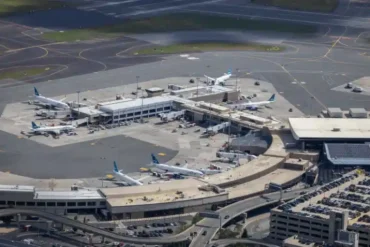
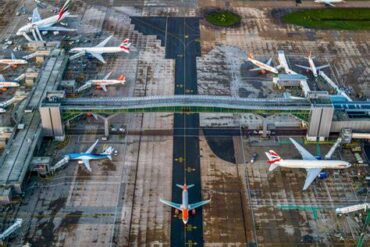
Dubai International Airport, the world’s busiest hub for international passengers, has been operating at only around 25 percent of its normal capacity. Aircraft that would typically depart every few minutes now sit grounded or await safe routing approvals.
International airlines attempting rescue or repatriation flights have encountered significant difficulties. Lufthansa dispatched aircraft to collect stranded travelers, only for one flight to divert after security concerns emerged. Air France faced similar operational complications as flight paths shifted in response to rapidly evolving security assessments.
Commercial aviation thrives on predictability—precise schedules, established routes, and coordinated airport operations. War introduces chaos into that system. Airspace restrictions can appear overnight, and a route that is safe one hour may become inaccessible the next. For passengers stuck in the region, that unpredictability has turned routine travel into a logistical puzzle with very few solutions.
Private Jet Demand Surges Amid Travel Chaos
With commercial flights scarce and uncertain, private aviation has become the fastest escape route for those who can afford it. Charter brokers across Europe and the Middle East report unprecedented interest from individuals seeking immediate departure options.
One of the companies experiencing this surge is JetX Pets, a Dubai-based private travel firm originally specializing in transporting pets alongside their owners between cities like Dubai and London.
Under normal circumstances, a seat on one of JetX Pets’ specialized relocation flights costs roughly $9,999 per passenger and pet. But the present crisis has altered the market dramatically. Demand now extends far beyond pet owners relocating animals. Families, elderly travelers, and expectant parents are contacting charter firms looking for any available seat out of the region.
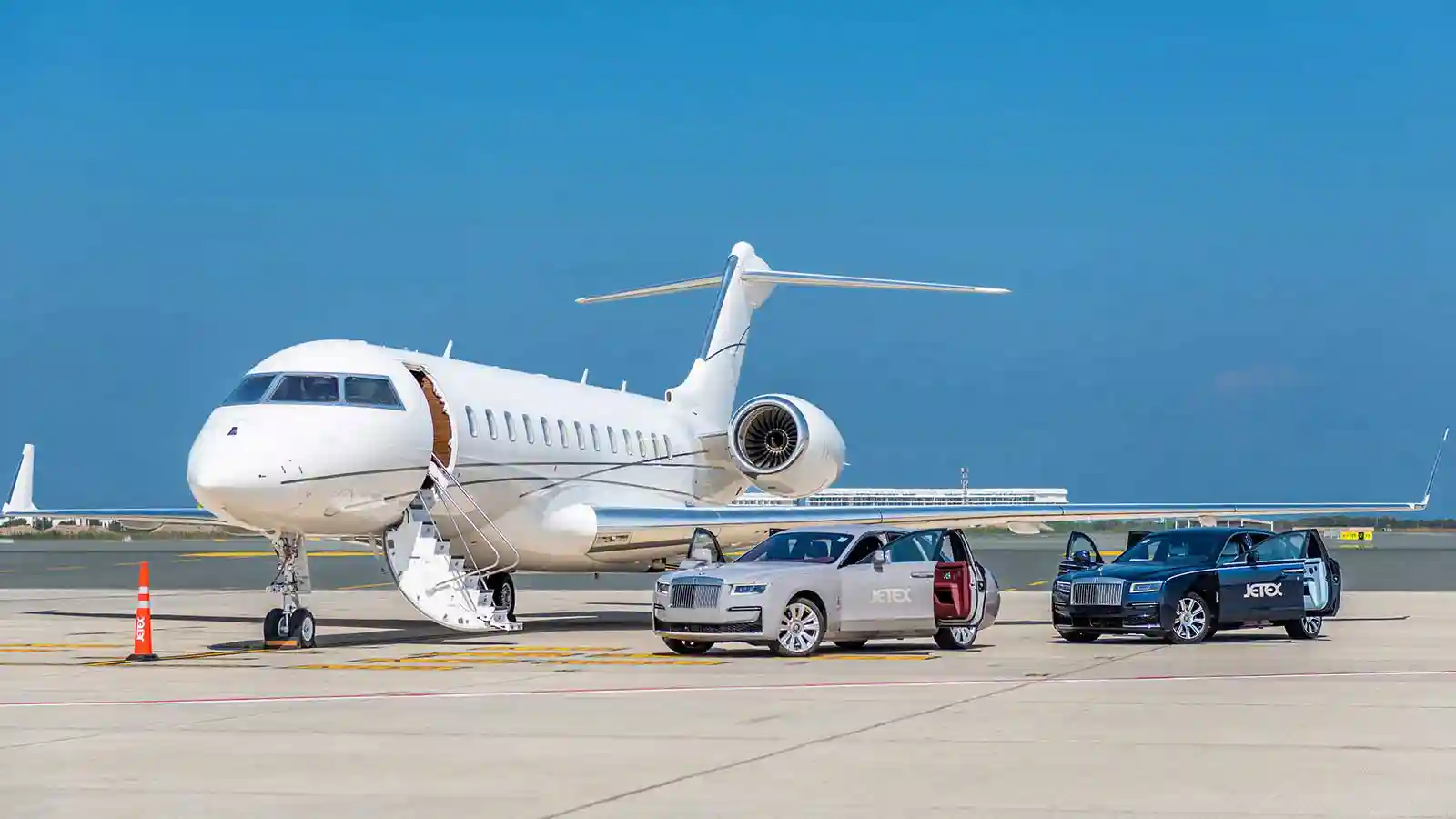
Private jet operators typically price charters based on aircraft size, flight distance, fuel costs, and crew logistics. In stable conditions, a light or midsize business jet flying between Dubai and Istanbul might cost $50,000. Larger aircraft such as Gulfstream or Bombardier jets capable of carrying up to fifteen passengers normally approach $100,000.
During the crisis, those numbers have effectively doubled.
Charter brokers describe the situation as a classic supply shock. Aircraft capable of operating long international routes are limited in number, and repositioning them into restricted airspace carries operational risk. Every available jet quickly becomes booked.
For passengers splitting the cost across multiple seats, the per-person price can still reach tens of thousands of dollars.
The Strategic Detour Through Oman
Leaving the Gulf is not simply a matter of finding an aircraft. Airspace access determines everything.
With several flight corridors closed or restricted, many charter operators are planning creative routing strategies. One increasingly popular option involves flying passengers out of the United Arab Emirates or Qatar into Oman, where airspace restrictions are less severe.
Cities like Muscat and Salalah have suddenly become strategic aviation gateways. Aircraft departing from these airports can access safer air corridors that bypass conflict zones. This shift has even influenced airline strategy.
Qatar Airways, for example, has temporarily relocated aircraft and crew to Muscat. From this improvised hub, the airline operates a reduced but functional network of flights, providing a partial lifeline for stranded travelers.
For private jet passengers, Oman represents a stepping-stone escape route. Some charter flights first hop from Dubai to Muscat before continuing onward to Europe or Asia.
The High-Stakes Economics Of Crisis Charters
Private aviation has always been expensive, but crisis conditions introduce a volatile new layer of economics. Charter brokers must consider a range of factors rarely encountered during normal operations:
- Insurance risks for aircraft operating near conflict zones
- Crew availability, especially pilots willing to fly into uncertain environments
- Fuel logistics and repositioning costs for aircraft moving into the region
- Sudden regulatory restrictions that can invalidate flight plans
These variables combine to produce charter prices that can shift by tens of thousands of dollars within hours.
The result is a two-tier evacuation reality. Travelers with substantial financial resources can secure immediate transportation, while the majority must rely on limited commercial flights, government evacuation missions, or simply wait for airspace conditions to stabilize.
Life Aboard A $200,000 Escape Flight
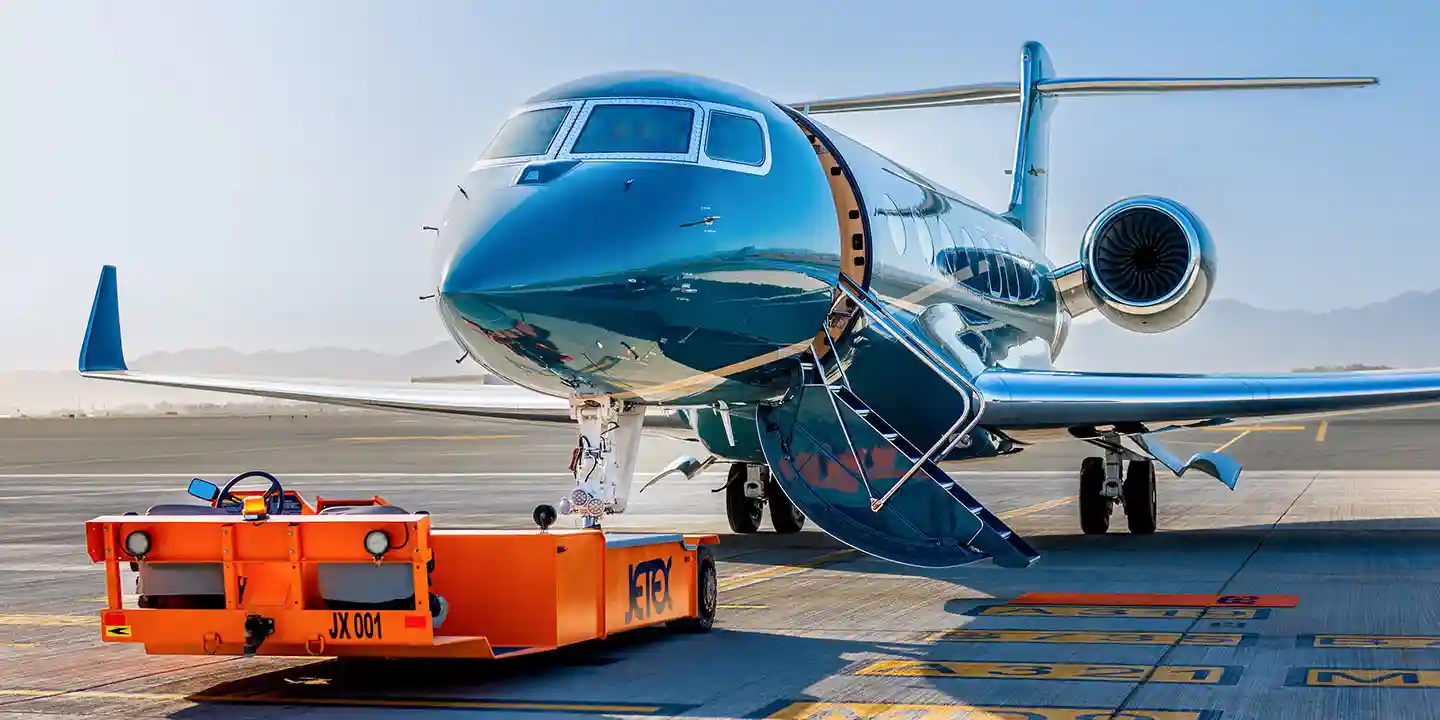
Despite the urgency surrounding these flights, the onboard experience remains unmistakably private aviation. Business jets used for long-range charters feature spacious cabins, lie-flat seating, and personalized onboard service that contrasts sharply with the tense circumstances driving passengers to book them.

Typical amenities include:
- Fully reclining beds or lie-flat seats
- Satellite Wi-Fi connectivity
- Gourmet catering prepared before departure
- Quiet cabins designed for long-distance travel
Passengers may board under the stress of geopolitical crisis, but the environment inside the aircraft remains calm and insulated from the chaos below.
For many travelers, that comfort is secondary. What matters most is certainty—the knowledge that the aircraft will depart and carry them beyond the unstable airspace of the region.
Aviation’s Stark Divide In Times Of Crisis
The scramble for private jets during the 2026 Iran crisis highlights a recurring pattern in global emergencies. Aviation becomes both a lifeline and a mirror of inequality.
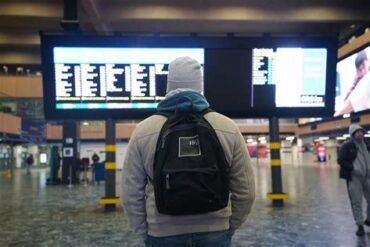
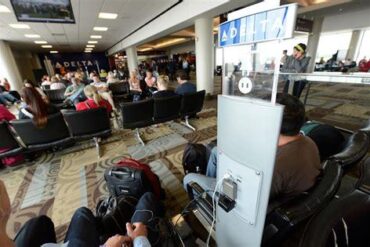
On one side are charter aircraft ferrying small groups of passengers across continents at enormous cost. On the other are crowded terminals filled with travelers hoping for the next available commercial seat.
Yet both systems—private charters and scheduled airlines—are ultimately responding to the same challenge: the sudden collapse of predictable airspace.
As long as geopolitical tensions continue to shape the skies above the Middle East, the $200,000 private jet escape will remain a symbol of how quickly aviation markets can transform when the world below becomes uncertain.