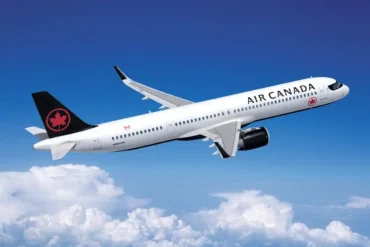
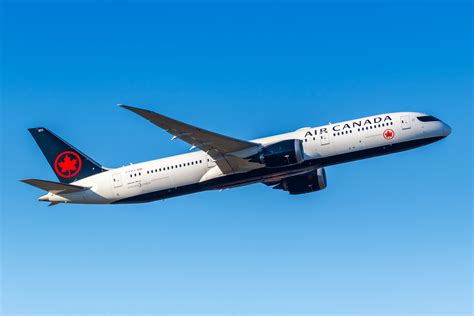
The timeline for Air Canada’s fleet expansion has officially shifted, as the airline confirms its eagerly awaited Airbus A321XLR and Boeing 787-10 Dreamliner deliveries are postponed until 2026. The news, disclosed during the Canadian flag carrier’s Q1 2025 financial report, marks a significant reshuffling in the airline’s modernization roadmap. Yet, rather than disruption, Air Canada views the delay as an opportunity to reinforce its long-term strategic vision with meticulous planning and controlled implementation.
Strategic Patience Amid Global Disruption
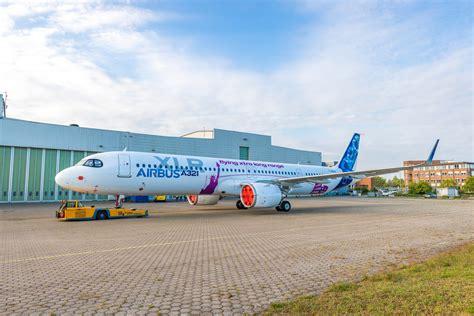
When Air Canada placed its initial order for 26 Airbus A321XLR aircraft in March 2022, the anticipated delivery window stretched from early 2024 to early 2027. That projection, while optimistic, was vulnerable to the dual pressures of certification delays and global supply chain challenges. As Airbus continues working through a rigorous certification process for the A321XLR, compounded by logistical constraints across its manufacturing ecosystem, the timeline inevitably slid.
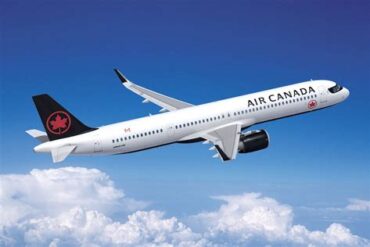
Today, that original order has grown to 30 A321XLR aircraft, with Air Canada confirming that none will be delivered before 2026. The airline, however, emphasizes that it is not caught off guard. “We’ve planned for this,” remarked John Di Bert, Executive Vice President and CFO. “We’re managing the business around those parameters and have been for a couple of years in anticipation.”
Boeing 787-10 Deliveries Also Deferred
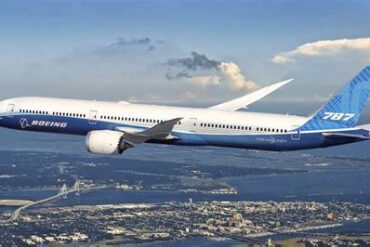
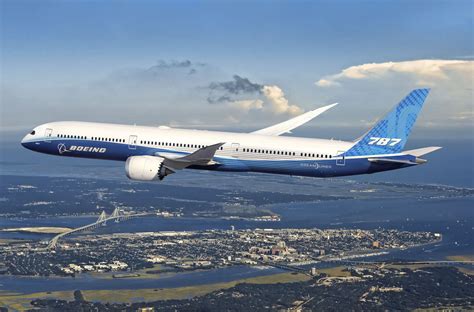
Simultaneously, Air Canada’s Boeing 787-10 Dreamliner order, consisting of 18 aircraft with options for 12 more, is facing a similar fate. Initially signed in September 2023, the order was a natural progression for the airline, which already operates both the 787-8 and 787-9 variants. But according to Di Bert, the first two 787-10s will now be delivered in 2026 as well.
The deferrals are not attributed to a single cause. Instead, OEM-related production constraints, global parts shortages, and post-pandemic backlogs have created a difficult environment for even the most established manufacturers. Despite the delays, Air Canada stresses that no aircraft deferrals beyond the schedule will be required, owing to fleet optimization plans already in motion.
No Disruption to Long-Term Capacity Growth Plans
What could have been a logistical headache is instead being absorbed by a strategic phase-out of aging aircraft. Air Canada is poised to retire older models in sync with the new arrivals, maintaining a sustainable and balanced growth trajectory.
This is especially important as 2026 begins to look like a pivotal year in Air Canada’s modernization agenda. With 30 A321XLRs and 18 787-10s on the books, the company is preparing to handle a dense arrival schedule. Still, leadership has consistently reiterated that the roadmap is under control, with flexibility built into every milestone.
“We’ve been waiting for these aircraft, we’re ready to deploy them,” said Di Bert. “We’re managing the business around those parameters.”
The A321XLR: A Game Changer in Narrowbody Range
Of the two types, the Airbus A321XLR has perhaps generated the most excitement. Touted as a revolutionary long-range narrowbody, the A321XLR offers up to 4,700 nautical miles of range, enabling transatlantic and deep continental missions with unmatched fuel efficiency in its class. The aircraft’s 182-seat configuration fits seamlessly within Air Canada’s medium-haul ambitions, promising new routes without the overhead of widebody operations.
Though aviation enthusiasts and passengers alike are eagerly awaiting the aircraft’s commercial debut, Air Canada is approaching the A321XLR rollout with calculated restraint. Alexandre Lefèvre, Vice President of Network Planning & Scheduling, confirmed that the aircraft will enter service “incognito” on select routes. This soft launch approach grants the airline critical flexibility to fine-tune operations without the marketing pressure of a public debut.
Boeing 787-10: Reinforcing Long-Haul Dominance
For longer international segments, the Boeing 787-10 represents a powerful augmentation of Air Canada’s already robust widebody fleet. Though it lacks the range of the 787-9, the 787-10 compensates with higher seating capacity and lower per-seat operating costs—making it ideal for high-density transcontinental or flagship long-haul routes.
Equipped with GEnx engines, these Dreamliners will complement the airline’s current 787-8 and 787-9 models, allowing for consistent maintenance and crew operations across the entire Dreamliner line. The new aircraft will help Air Canada enhance frequencies, open new destinations, and retire older long-haul jets that no longer meet efficiency thresholds.
Current Fleet Outlook and Outstanding Orders
Despite the delivery delays, Air Canada continues to maintain one of the most diverse and modern fleets in North America. As of the latest data, its outstanding orders include:
- 31 Airbus A220-300s
- 30 Airbus A321XLRs
- 6 Boeing 737 MAX 8s
- 18 Boeing 787-10s
This balance across manufacturers and aircraft types ensures redundancy, flexibility, and adaptability—critical traits as the airline enters a new era of post-pandemic recovery and sustainable growth.
Mitigating Impact While Sustaining Momentum
The year 2026 will be a watershed moment for Air Canada—not only for its sheer influx of new aircraft, but also as a testament to its long-term planning discipline. Rather than rushing new aircraft into the fleet or scrambling to compensate for delivery setbacks, the airline is executing a carefully modeled transition. Aircraft phase-outs, route optimization, and capacity planning are being calibrated to meet the updated delivery cadence.
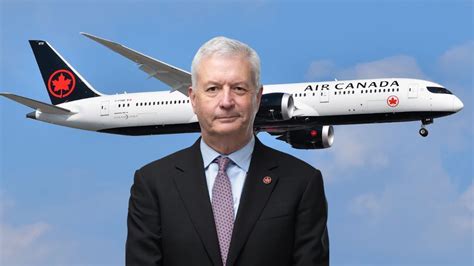
As CEO Michael Rousseau noted, “The entire company is excited about taking these fleet types in the next year, so we’re ready to take them in and leverage them as we go forward.”
Looking Beyond 2026: The Competitive Edge
These aircraft are more than just fleet additions—they are instruments of strategy. The A321XLR gives Air Canada unprecedented access to secondary European cities, underserved U.S. markets, and selective Latin American routes that previously required inefficient aircraft swaps or multi-stop itineraries. Meanwhile, the 787-10 strengthens the airline’s foothold on trunk international corridors, especially in Asia, the Middle East, and key transatlantic sectors.
Moreover, these deliveries signal a vote of confidence in the airline’s long-term financial and operational health. In a post-COVID recovery environment where carriers are recalibrating, Air Canada is not only planning but also investing with intent.
Conclusion: Turbulence Absorbed, Altitude Gained
While delays to flagship aircraft deliveries are never welcome, Air Canada’s response has been both measured and masterful. The alignment of aircraft acquisition, fleet retirement, and route flexibility underlines a cohesive and confident vision. As 2026 approaches, the arrival of the Airbus A321XLR and Boeing 787-10 Dreamliner will mark the culmination of years of planning—a milestone not of crisis management, but of strategic ascension.