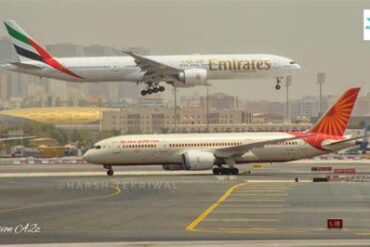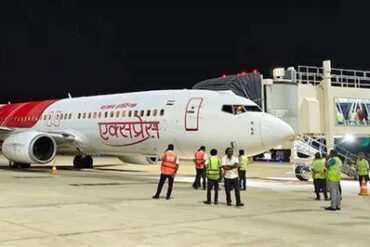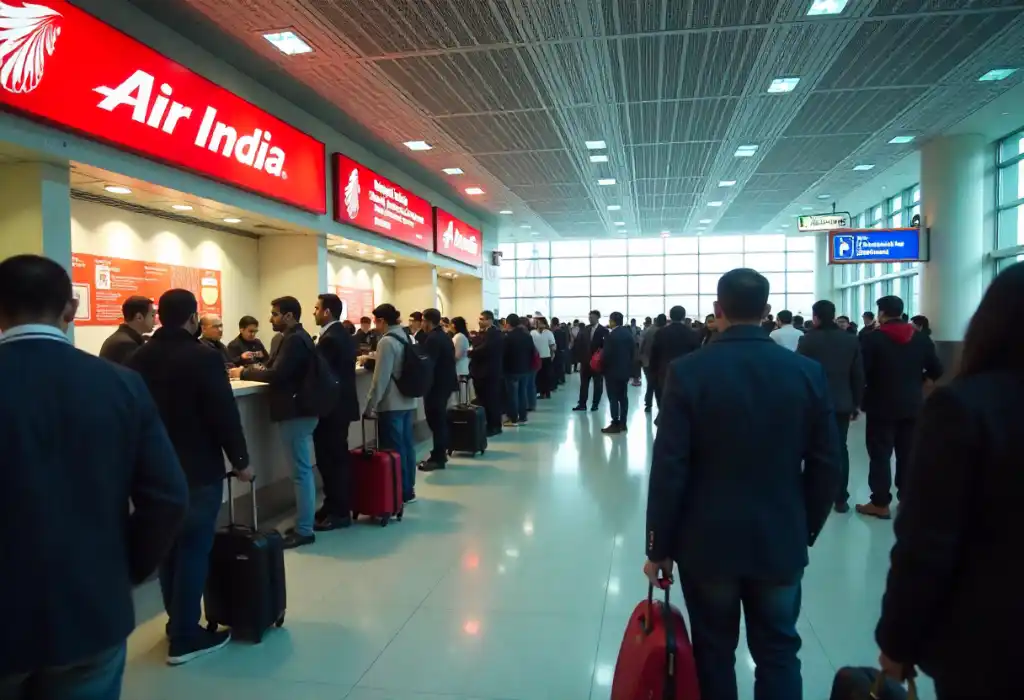
Air travel between the UAE and India has never been more accessible, as Air India and Air India Express slash fares dramatically to capture price-sensitive travelers. While this aggressive pricing strategy has made the airline popular among budget-conscious flyers, it has also intensified concerns over safety and operational reliability. With the aftermath of a deadly crash still fresh in public memory, many UAE residents are caught between cost savings and peace of mind.
The summer of 2025 has seen a notable surge in bookings between India and the UAE. Travellers eager to return home or visit loved ones are flocking to Air India’s budget-friendly offers. A Dubai–Mumbai round trip on Air India can be booked for as low as Dh291, compared to nearly Dh580 on competing carriers. Fares to Chennai have dropped to Dh734, a significant markdown from Dh1,290 charged by rivals. Even routes like Dubai–Thiruvananthapuram now cost just Dh403, down from over Dh1,040.
Such pricing makes Air India an obvious choice — at least on paper. But the tragic crash of Flight AI171 on June 12, 2025, shortly after takeoff from Ahmedabad, has introduced a chilling caveat to that low fare.
The Ahmedabad Crash: A Turning Point for Passenger Trust
The crash of Air India AI171, en route to London Gatwick, resulted in the death of 241 passengers, including 19 individuals on the ground. Only a single passenger survived. It stands as one of the most catastrophic aviation disasters in the region’s recent history. The event has had a profound psychological impact on Indian expats in the UAE. For many, the low fares are no longer enough to override the trauma of potential danger.
While investigations into the root causes are ongoing, initial assessments pointed to mechanical failure exacerbated by maintenance oversights. Since then, UAE residents — even those who regularly chose Air India — have paused to reconsider their loyalties.
More Than Just a Crash: Operational Failures Fuel Apprehension
Passenger complaints extend well beyond this single incident. Social media has become a megaphone for disgruntled flyers, with widespread posts detailing technical glitches, flight delays, poor in-flight conditions, and frequent rescheduling. A common grievance includes malfunctioning air-conditioning systems during peak summer flights, resulting in passengers enduring sweltering cabin conditions for hours.
In one prominent case, a flight between the UAE and India was delayed by over six hours, despite the aircraft having landed long before its scheduled arrival. Such inconsistencies leave travelers frustrated and weary — not just because of lost time, but the uncertainty they now associate with Air India’s reliability.
Air India’s Acknowledgment and Strategic Response
Responding to widespread backlash, Air India Express issued statements acknowledging these faults. A spokesperson emphasized that “reliability and customer satisfaction are now a central focus,” assuring that corrective actions are underway. The airline has promised increased investment in fleet maintenance, enhanced staff training, and a renewed push for timely departures.
These promises, however, face an uphill battle. According to Subair Thekepurathvalappil, a Senior Manager at Wisefox Tourism, the tragic memory of the Ahmedabad crash remains vivid for most clients. The improvements, while welcome, may not yet be sufficient to win back traveler confidence.
The Rise of UAE’s Flag Carriers: A Safe Haven for the Apprehensive
The turbulence surrounding Air India has inadvertently benefitted other airlines. Emirates, Etihad, and flydubai have witnessed an uptick in bookings as safety-conscious travelers seek alternatives. These airlines, while significantly more expensive, offer greater peace of mind, fewer delays, superior customer service, and consistent operational excellence.
Though Emirates might cost twice as much for the same route, its dependability and comfort provide a sense of stability that many now crave. In an industry where perception plays a critical role, the emotional reassurance these flag carriers offer often outweighs even stark price differences.
Air India’s 75th Anniversary: A Mixed Milestone
Ironically, Air India celebrated its 75th anniversary this year — a milestone that was supposed to underscore its legacy and resilience. The airline has made efforts to rejuvenate its brand by modernizing its fleet, expanding nonstop routes, and adopting digital boarding systems. However, these upgrades have been overshadowed by recent calamities and systemic faults that remain unresolved.
Analysts believe that unless Air India fully addresses its safety and operational flaws, the airline’s growing UAE market share will plateau or even decline. For the average UAE traveler, anniversaries and corporate pledges mean little if flights remain uncertain and unsafe.
Price vs. Peace of Mind: The Passenger Dilemma
Despite the storm, Air India continues to attract passengers, especially those for whom affordability is non-negotiable. Daily-wage workers, students, and budget-conscious families continue to view Air India as a lifeline. Their loyalty, while shaken, remains tethered to the undeniable reality of economics.
Ali, a Sharjah-based construction worker, recently shifted to another airline after hearing of a friend’s experience with a six-hour Air India delay. However, he admitted that “it’s hard to ignore Air India when their fare is half the price.”
This sentiment is widespread. Many weigh the inconvenience and potential risks against the substantial cost savings. For some, that trade-off still makes sense — even if the comfort is compromised.
Can Air India Win Back UAE Flyers?
The burden of restoring trust lies squarely with Air India. The next few months will be critical. Not only must the airline follow through on its operational promises, but it must also do so consistently and transparently. The airline’s ability to maintain safety, punctuality, and customer service across all routes will determine whether its low-fare strategy is sustainable.
In the current climate, trust is the currency that matters most. If Air India can rebuild it — not through slogans, but through action — it stands a chance of regaining its foothold in the highly competitive UAE–India aviation corridor.
But until then, many travelers will continue to grapple with the trade-off: Will you fly cheap, or fly safe?