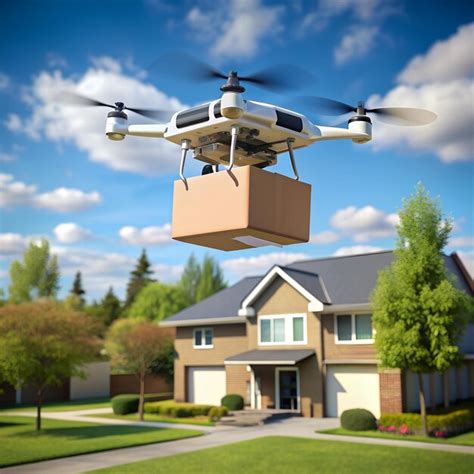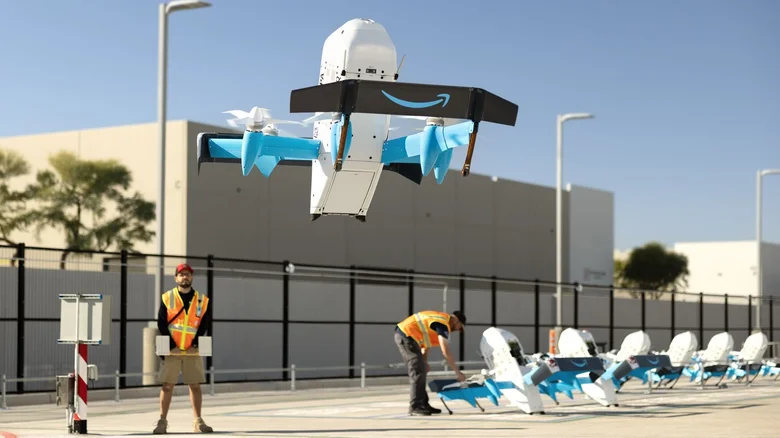
The rapid expansion of Amazon’s drone delivery network is no longer a distant vision of the future—it is a present-day reality reshaping neighborhoods across metro Detroit. In Bloomfield Township, the steady hum of drones slicing through the air has become part of daily life, with more than 140 deliveries launched each day from a nearby fulfillment center. What was once seen as a technological marvel is now raising a far more grounded concern: privacy.
Residents are increasingly uneasy about the frequency of low-flying drones passing over their homes. The issue extends beyond curiosity and into the realm of personal boundaries. Conversations on community forums and social media reveal a shared tension—people are not just watching the skies, they are wondering who might be watching them. Questions about surveillance, data collection, and the unseen mechanics behind drone operations are dominating local discourse.
Why Drone Deliveries Are Triggering Privacy Concerns
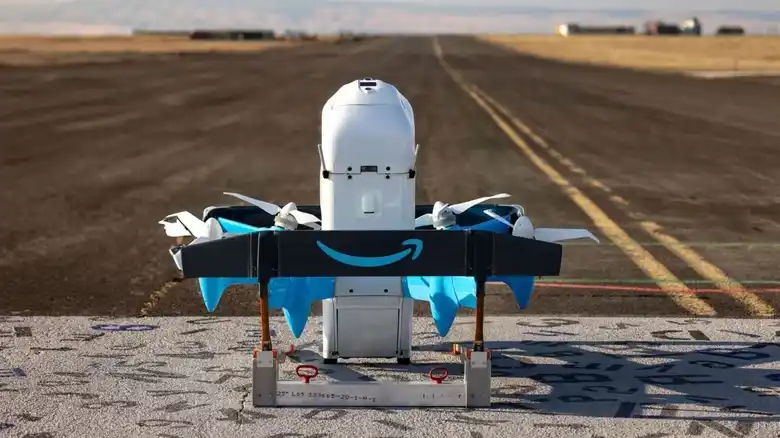
The core anxiety lies in the unknown. While drones are marketed as efficient delivery tools, they are also equipped with cameras and sensors essential for navigation. For many residents, that raises an uncomfortable possibility: unintentional surveillance of private property. Even if the intent is purely operational, the perception of being observed is difficult to ignore.
Local authorities have attempted to reassure the public. Officials emphasize that drone footage is only reviewed in rare cases, such as failed deliveries, and that limited personnel have access to such data. Furthermore, drones travel at speeds approaching 70 miles per hour, making any captured visuals fleeting and often indistinct. Yet reassurance has not fully resolved the unease. The concern is less about current practices and more about what could evolve over time as the technology matures.
The Broader Debate Around Autonomous Delivery Systems
The situation in metro Detroit reflects a wider national conversation. Since launching its drone delivery initiative in 2022, Amazon has encountered both enthusiasm and resistance. Some communities embrace the innovation as a leap toward convenience and efficiency. Others, like residents in College Station, Texas, have pushed back strongly enough to halt operations entirely.
The skepticism is not limited to privacy. Questions about safety and reliability also linger. Incidents involving autonomous systems—such as a drone crash into an apartment building earlier in 2026—have reinforced public caution. Although damage in that case was minimal and no injuries were reported, it underscored the potential risks of scaling such technology too quickly.
Balancing Innovation With Public Trust
Amazon’s ambition is clear: to deliver more than 500 million packages annually by drone before the end of the decade. Achieving that goal will require more than engineering breakthroughs; it will demand public confidence. Communities must feel assured that convenience does not come at the expense of safety or personal privacy.
For residents in Bloomfield Township, the debate is far from settled. The skies above them have become a testing ground not just for cutting-edge logistics, but for the delicate balance between innovation and everyday comfort. As drone traffic increases, so too will the pressure on companies to demonstrate transparency, accountability, and respect for the spaces people call home.