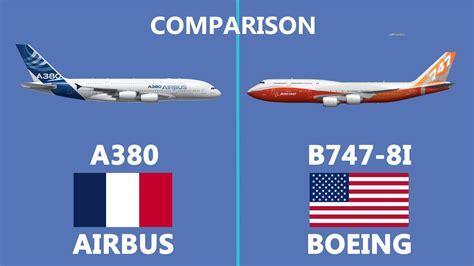
The era of four-engined passenger aircraft is approaching its final chapter, yet two of the most remarkable quadjets in aviation history continue to connect major cities around the world. The Airbus A380 and the Boeing 747-8 represent the last generation of ultra-large commercial aircraft designed around the idea that airlines would continue concentrating passengers through global mega-hubs.
In 2026, both aircraft types will still play important roles in long-haul aviation. Together, the two giants are scheduled to operate more than 94,000 passenger flights during the year. However, the numbers reveal a dramatic imbalance. The Airbus A380 will dominate operations, accounting for almost 90% of all scheduled flights between the two aircraft families.
The difference highlights how differently the aviation market embraced these two aircraft. While both were built for high-capacity international travel, the A380 found a stronger long-term role with airlines focused on moving large numbers of passengers through slot-restricted airports. The 747-8, meanwhile, became a much smaller part of airline fleets due to changing market conditions and the rise of efficient twin-engine widebody aircraft.
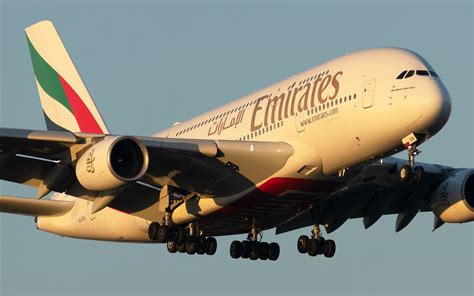
Airbus A380 Scheduled Flights Will Reach More Than 80,000 in 2026
According to aviation data analysis from Cirium, the Airbus A380 is scheduled to operate approximately 83,921 passenger flights in 2026 across ten airlines. This massive figure reflects the aircraft’s continued importance within several major international networks, particularly those built around high-demand routes between major cities.
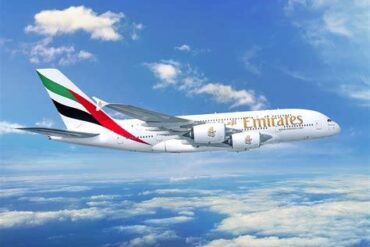
The biggest contributor is naturally Emirates, the Dubai-based airline that became synonymous with the A380. Airbus delivered 251 examples of the aircraft, and Emirates received 123 of them, creating the world’s largest A380 fleet. Although some aircraft are currently parked, the airline continues to operate more than 100 examples of the type.
Emirates’ extensive A380 network allows the aircraft to remain a common sight on some of the world’s busiest international routes. The largest A380 operation in 2026 is expected to be the connection between Dubai International Airport (DXB) and London Heathrow Airport (LHR). The route is scheduled to see around 2,066 flights in both directions, with Emirates operating multiple daily A380 services throughout much of the year.
London Heathrow has become one of the most important airports for the A380. Although it is home to British Airways’ own A380 fleet, the airport also receives services from several international operators. The combination of strong passenger demand, limited airport slots, and long-distance travel requirements makes Heathrow an ideal environment for the world’s largest passenger aircraft.
Beyond Emirates, other airlines continue to rely on the A380 for premium long-haul operations. Etihad Airways is expected to operate one of the busiest non-Emirates A380 routes, connecting Abu Dhabi with London Heathrow. This service demonstrates that even with fewer operators than during the aircraft’s peak years, the A380 still serves markets where capacity demand remains strong.
Boeing 747-8 Passenger Operations Remain Limited
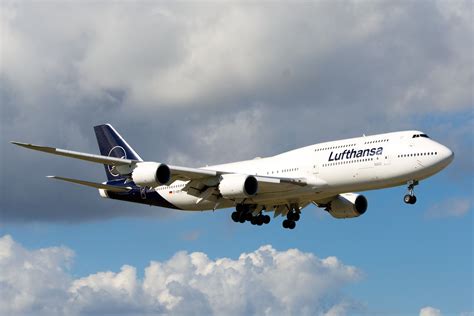
While the Airbus A380 dominates the 2026 schedule, the Boeing 747-8 continues to operate on a much smaller scale. The aircraft is scheduled to complete around 10,131 passenger flights during the year, representing only about 12% of the A380’s scheduled operations.
The limited number of flights reflects the relatively small passenger fleet of the 747-8. Boeing received only 48 orders for the passenger and VIP versions of the aircraft, compared with the hundreds of aircraft produced in earlier 747 generations. Of those orders, ten were for private or government aircraft, leaving only a small commercial passenger fleet.
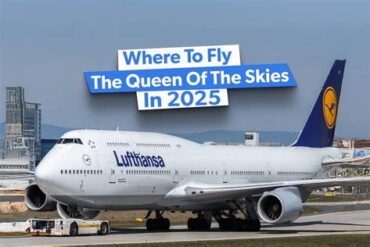
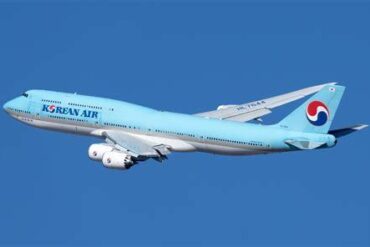
Only three airlines are expected to operate passenger 747-8 services in 2026: Lufthansa, Korean Air, and Air China. These carriers continue to use the aircraft because it provides a combination of range, passenger capacity, and brand recognition that remains valuable on selected routes.
Korean Air operates one of the largest 747-8 passenger networks. Its route between Seoul Incheon International Airport (ICN) and Los Angeles International Airport (LAX) represents the aircraft’s busiest scheduled service, with more than 500 flights planned in each direction.
Lufthansa also maintains a significant 747-8 presence. The German carrier uses the aircraft on several long-haul routes from Frankfurt, including services to destinations such as Buenos Aires, São Paulo, Johannesburg, and Mexico City. Meanwhile, Air China continues operating the type on important domestic and international connections.
However, the story changes when considering the cargo market. The Boeing 747-8F has enjoyed far greater success than the passenger version. Boeing delivered more than 100 freighter examples, and cargo operators are likely to keep these aircraft flying for many years because freighters often have longer operational lifespans than passenger aircraft.
A380 Offers More Seats While 747-8 Flies Slightly Longer Routes
The Airbus A380 and Boeing 747-8 were designed with similar goals: transporting large numbers of passengers between major global hubs. Yet their designs reflect different philosophies.
The A380 features two complete passenger decks, allowing it to offer significantly greater capacity. Its maximum certified passenger limit reaches 853 seats, although airlines typically configure the aircraft with between 400 and 550 seats to provide multiple cabin classes.
The Boeing 747-8 has a maximum passenger capacity of approximately 605 seats, but commercial operators also use much lower-density layouts. For example, Lufthansa’s 747-8 configuration includes premium cabins and around 348 seats, prioritizing passenger comfort rather than maximum capacity.
The difference in capacity creates a major gap in available seats. In 2026, the A380 is expected to offer more than 42 million seats across scheduled services. The 747-8 passenger fleet will provide only around 3.7 million seats.
This advantage also appears in available seat miles, a key airline industry measurement combining capacity and distance. The A380 produces dramatically higher available seat miles because it flies more frequently and carries significantly more passengers.
However, the 747-8 does have one advantage: average flight distance. The global 747-8 passenger fleet records an average sector length of around 4,488 miles (7,222 km), compared with approximately 4,121 miles (6,632 km) for the A380.
The difference is partly because 747-8 operators often use the aircraft on long-range routes with carefully selected demand patterns. Meanwhile, the A380 operates a broader mix of services, including shorter high-density connections.
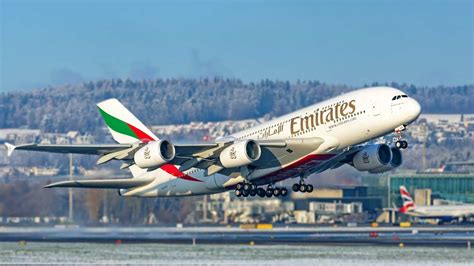
Only Two Airlines Operate Both Airbus A380 and Boeing 747-8
Despite both aircraft serving similar markets, there is surprisingly little overlap between their operators. Only two airlines currently operate both aircraft types: Lufthansa and Korean Air.
Lufthansa operates a fleet of A380s alongside its 747-8 aircraft. The airline has historically maintained a strong relationship with the Boeing 747 family, operating earlier 747-400 models before introducing the newer 747-8.
Korean Air follows a similar strategy. The airline operates both aircraft types because they fulfill slightly different roles. The A380 provides exceptional passenger capacity on high-demand routes, while the 747-8 offers long-range capability with a more traditional widebody layout.
The situation may change further after the integration of Asiana Airlines into Korean Air. Asiana’s existing A380 fleet could strengthen Korean Air’s position among the world’s largest A380 operators. Additional aircraft could provide valuable flexibility on routes where airport slots are limited and passenger demand remains strong.
Why the A380 Outlasted the Boeing 747-8 Passenger Aircraft
The different fortunes of the A380 and 747-8 were shaped by the aviation industry’s transformation. When both aircraft entered service, airlines were already moving away from the era of giant four-engine aircraft.
Advances in engine technology, improved reliability, and extended twin-engine operations allowed aircraft such as the Airbus A350-1000 and Boeing 777X family to offer similar long-range capability with fewer engines and lower operating costs.
The A380 arrived with an ambitious vision of connecting major airports through enormous passenger volumes. However, many airlines shifted toward more flexible aircraft that could serve a wider range of routes without requiring extremely high passenger loads.
The Boeing 747-8 faced an even greater challenge. It entered the market after the 747-400 had already lost popularity, while airlines were increasingly choosing efficient twin-engine alternatives. As a result, the passenger version never achieved the commercial success of previous 747 generations.
Despite these challenges, both aircraft remain aviation icons. The A380 delivers an unmatched passenger experience with its enormous cabin, quiet interior, and unique double-deck design. The 747-8 continues the legacy of the original “Queen of the Skies,” maintaining its reputation as one of the most recognizable aircraft ever built.
The Future of the Aviation Giants
The Airbus A380 and Boeing 747-8 passenger aircraft will eventually disappear from commercial service, but neither will vanish immediately. Airlines continue investing in maintenance programs, cabin upgrades, and fleet strategies to extend their operational lives.
Emirates has suggested that some of its A380 aircraft could remain active well into the 2040s, particularly because the airline has developed a strong business model around the aircraft. The 747-8 passenger fleet is expected to retire earlier, although cargo versions of the 747 family will likely continue flying much longer.
There is currently no direct replacement for the A380. Modern aircraft such as the Airbus A350-1000 and upcoming Boeing 777-9 can carry hundreds of passengers efficiently, but they do not match the sheer size of the superjumbo.
In 2026, the numbers tell a clear story. The Airbus A380 will operate more than eight times as many passenger flights as the Boeing 747-8, proving that the superjumbo still has a unique role in global aviation. While the age of quadjets is ending, these two aircraft remain symbols of an era when airlines dreamed bigger and aircraft grew larger than ever before.