The opening months of 2026 have revealed an unexpectedly slow start for Airbus aircraft deliveries, raising concerns across the aviation industry. Despite maintaining strong demand for its commercial aircraft portfolio, the European aerospace manufacturer is already trailing the pace it achieved during the same period last year. The underlying causes are not rooted in market weakness or declining airline demand. Instead, the slowdown reflects supply chain friction—particularly engine shortages—that are interfering with Airbus’s production rhythm.
In February 2026, Airbus delivered 35 commercial aircraft to 21 customers, according to its official monthly performance report. While the figure represents an improvement over January’s output, the number remains modest for a manufacturer targeting an aggressive ramp-up in production. The deliveries were heavily concentrated in the company’s narrowbody lineup, which continues to form the backbone of Airbus’ global commercial strategy.
The majority of February’s deliveries consisted of A320neo-family aircraft, the most successful narrowbody program in Airbus history. Alongside these, the company delivered eight A220-300 aircraft and just two widebody jets. Although the delivery composition reflects the industry’s continued preference for efficient narrowbody aircraft, the relatively small volume highlights the operational challenges that are preventing Airbus from reaching its intended output levels.

February 2026 Delivery Figures Reveal Production Constraints
Airbus’ February delivery report illustrates how production capacity and supply availability are shaping the manufacturer’s short-term performance. Out of the 35 aircraft handed over to airlines, 25 belonged to the A320neo family, while eight were A220-300 jets produced in the company’s North American assembly facilities.
Widebody deliveries were limited to just two aircraft:
- One Airbus A350-900 delivered to EgyptAir
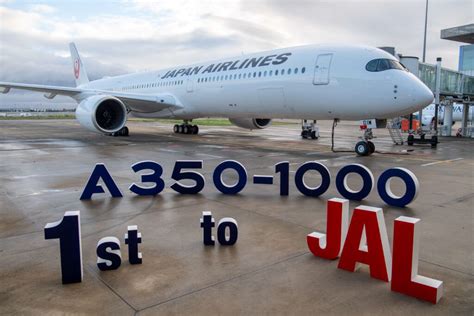
- One Airbus A350-1000 delivered to Japan Airlines
This limited widebody activity is notable because large aircraft typically generate higher revenue per unit. Their lower delivery numbers mean that even when total deliveries remain stable, revenue growth can be constrained if the product mix shifts heavily toward narrowbody jets.
Despite the moderate figures, February still marked a recovery from January 2026, when Airbus delivered only 15 A320neo-family aircraft. The improvement suggests that production lines remain active but constrained by external factors rather than internal manufacturing capability.
The Pratt & Whitney GTF Engine Bottleneck
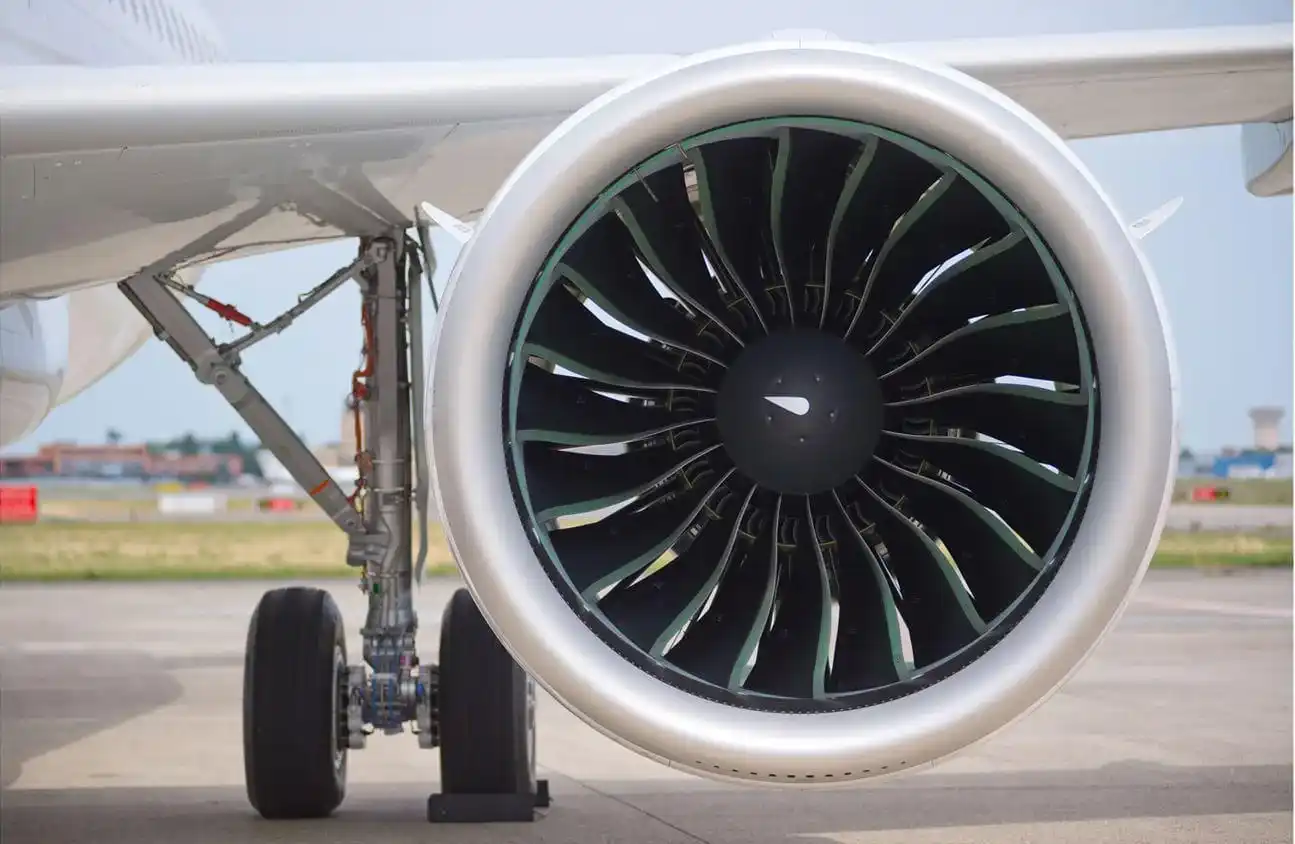
The most significant obstacle to Airbus’ delivery schedule lies outside its assembly plants. The Pratt & Whitney Geared Turbofan (GTF) engine crisis has become a persistent constraint for the entire A320neo program.
One of the two engine options for the A320neo family is the PW1100G-JM GTF engine, produced by Pratt & Whitney. Although the competing CFM LEAP-1A engine powers roughly 70% of A320neo aircraft, the GTF still represents a substantial portion of Airbus’ outstanding order backlog. Any disruption in its supply therefore reverberates throughout Airbus’ production system.
The root of the problem traces back to a manufacturing defect involving contaminated powder metal used in critical turbine and compressor components. These parts were produced between 2015 and 2021 and are now subject to extensive inspection and replacement programs. Hundreds of engines worldwide have required removal and detailed inspection, placing enormous strain on Pratt & Whitney’s maintenance and manufacturing capacity.
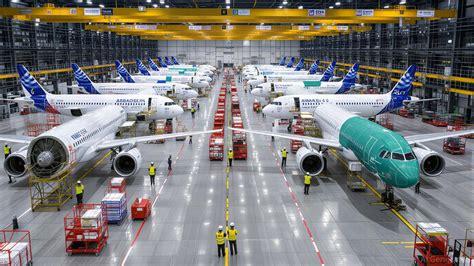
Because engines are installed late in the aircraft assembly process, Airbus often completes most of the aircraft before discovering that the required engines are unavailable. The result is the accumulation of partially finished aircraft known within the industry as “gliders.” These airframes sit on Airbus ramps awaiting engine installation before they can be delivered to airlines.
Delayed Production Targets and Strategic Adjustments
Airbus had originally planned to increase A320neo-family production to 75 aircraft per month by 2026, a milestone that would have represented one of the most ambitious manufacturing expansions in commercial aviation history. However, the ongoing engine supply disruptions have forced the company to push that target back to 2027.
From a production management perspective, this delay illustrates a fundamental reality of modern aerospace manufacturing: even the largest aircraft producers remain highly dependent on specialized suppliers. A jetliner consists of millions of components sourced from hundreds of companies, and a single constrained supplier can limit the output of the entire system.
Despite these challenges, Airbus has continued to produce aircraft at planned assembly rates. The bottleneck arises only at the final stage, where the absence of engines prevents completed airframes from transitioning into delivered aircraft.
Strong Narrowbody Orders Continue to Fuel Demand
While deliveries have slowed, order activity remains strong, demonstrating that airlines still view Airbus narrowbody aircraft as essential assets for future fleet growth.
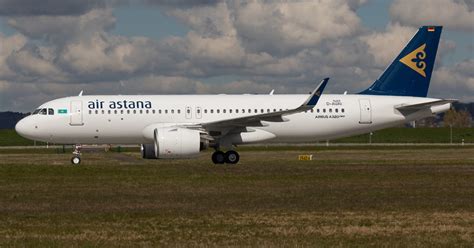
In February 2026 alone, Airbus recorded 28 new commercial aircraft orders. The majority came from airlines expanding their single-aisle fleets, led by a major purchase from Air Astana, which ordered 25 A320neo-family aircraft to support regional and medium-haul expansion.
Additional orders included:
- Two A321neo aircraft from Tigerair Taiwan
- One A320neo from an undisclosed customer
The emphasis on narrowbody aircraft reflects the broader trend shaping airline strategy worldwide. Airlines increasingly prefer fuel-efficient single-aisle jets capable of operating both traditional short-haul routes and longer “thin” routes between secondary cities.
Widebody Demand Shows Signs of Cooling
While narrowbody orders remain robust, widebody demand has softened during the early months of 2026. Airbus recorded just one new order for a widebody aircraft in February: an A330neo purchased by Air Algérie.
This contrasts sharply with early 2025, when Airbus secured 29 widebody orders during the same period. Because widebody aircraft command significantly higher prices, their absence from the order book could influence future revenue growth even if narrowbody demand stays strong.
Nevertheless, Airbus enters 2026 with substantial momentum. The company narrowly exceeded its 2025 delivery target of 790 aircraft, ultimately delivering 793 jets and reporting revenues of €73.4 billion ($86.6 billion). Building on that success, Airbus aims to deliver 870 aircraft in 2026, an ambitious objective that depends heavily on resolving engine supply issues.
The paradox facing Airbus is striking: demand for its aircraft remains exceptionally strong, yet production constraints threaten to slow the pace at which airlines receive the jets they need. In a global aviation market defined by rapid traffic recovery and fleet modernization, the company’s ability to overcome engine bottlenecks will play a decisive role in determining whether its delivery ambitions for 2026 become reality.