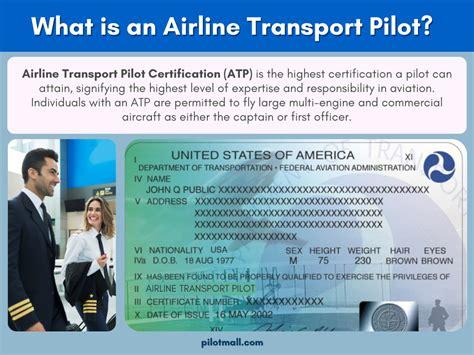
The Airline Transport Pilot Licence (ATPL) is the highest level of certification available for pilots and marks a significant milestone in a pilot’s career. In the United States, this certification is known as the Airline Transport Pilot (ATP) certificate, and it authorizes the holder to act as the pilot in command (PIC) of commercial air carriers flying under 14 CFR Part 121. For those in the European Union and the United Kingdom, the ATPL is a mandatory qualification to become a pilot in command of multi-pilot commercial aircraft. This article will explore the various aspects of the ATPL, including its requirements, privileges, examinations, and the journey it takes to obtain this prestigious certification.
Understanding the ATPL: An Overview of Privileges and Requirements
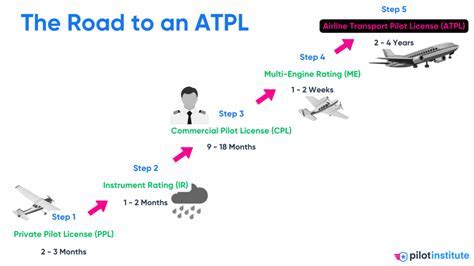
The ATPL grants pilots the authority to operate in commercial air transport (CAT) environments. However, it is essential to recognize that attaining this certification is not the first step in a pilot’s career. Before pursuing an ATPL, a pilot must hold a Commercial Pilot Licence (CPL), which allows the individual to operate an aircraft for aerial work like crop spraying or banner towing. CPL holders may also serve as co-pilots in multi-pilot aircraft but cannot serve as pilot-in-command of such aircraft unless they obtain the ATPL.
To understand why the ATPL is so crucial, we need to break down the key requirements and privileges it entails.
Core Prerequisites for Obtaining the ATPL
The path to obtaining an ATPL is challenging and requires a combination of theoretical knowledge and practical flying experience. Before one can apply for the ATPL, several core prerequisites must be met.
Flight Hours Requirements
To qualify for the ATPL, applicants must have a significant amount of flight experience. EASA and UK regulations require pilots to have 1,500 hours of flying time, including a specific number of hours in multi-pilot operations. More specifically, applicants must accumulate:
- 500 hours in multi-pilot aircraft.
- A set number of hours as Pilot in Command (PIC) and/or Pilot in Command Under Supervision (PICUS).
Additionally, cross-country, instrument, and night flight experience are mandatory.
Medical Requirements
Applicants must hold a Class 1 medical certificate, which ensures the individual is physically fit to operate commercial flights safely. This certification remains valid as long as the pilot meets the health standards, which are periodically evaluated.
Theoretical Knowledge Examination
In addition to flight hours and medical clearances, candidates must pass a rigorous theoretical examination that covers a wide range of topics. For EASA and UK applicants, this includes 14 subjects, such as:
- Air Law
- Aircraft General Knowledge (including Airframe, Systems, and Power Plant)
- Flight Planning and Monitoring
- Meteorology
These examinations are comprehensive and require candidates to complete a six-month residential or twelve-month distance-learning course. The exams must be passed within an 18-month period, and it is mandatory for candidates to demonstrate proficiency in each subject area.
Skill Test for Multi-Pilot Operations
Once the theoretical exams are completed, applicants must undergo a practical skill test. This test evaluates the pilot’s ability to perform essential maneuvers and procedures as the pilot in command of a multi-pilot aircraft under Instrument Flight Rules (IFR). This test can be performed in a flight simulator or an actual aircraft. The skills required are extensive and ensure that only the most proficient pilots can attain the ATPL.
The ATPL: A Stepping Stone to Commercial Pilot Careers
The ATPL is more than just a certification; it is a critical milestone in the career of any commercial pilot. ATPL holders are authorized to act as the Pilot in Command of multi-pilot commercial airliners. They are also allowed to operate scheduled air carriers’ aircraft, which includes passenger and cargo flights. However, even after obtaining an ATPL, pilots must undergo additional training specific to the aircraft they will operate.
The ATPL is often seen as a gateway to high-profile and well-compensated positions within major airlines, including positions as captains and chief pilots. These roles often require years of flying experience, but the ATPL allows pilots to meet the legal requirements to occupy these positions.
United States ATPL Certification
In the United States, the Federal Aviation Administration (FAA) mandates that pilots who wish to fly for commercial air carriers must hold an ATP certificate. The FAA’s regulations are particularly notable because they specify that candidates must have at least 1,500 hours of flying experience, with 250 hours as Pilot in Command (PIC). However, the FAA does allow certain restricted ATP certificates (R-ATP) for pilots who meet specific criteria, such as military pilots or graduates of approved aviation programs.
The R-ATP allows pilots to serve as second-in-command in commercial aviation but not as the Pilot in Command. This restriction is lifted once the pilot accumulates the required hours of flight experience and passes further certification tests.
The Role of Type Ratings in ATPL
In both the EASA and FAA systems, pilots who hold an ATPL must also earn a type rating for the specific aircraft they intend to fly. A type rating is a certification for a particular model or type of aircraft, such as a Boeing 737 or Airbus A320. The ATPL ensures that pilots possess the skills required to fly multi-pilot aircraft, but the type rating focuses on the specifics of the aircraft they will operate. Pilots typically receive this training from the airline they work for once they are hired.
Age Limitations and Continuing Education
The ATPL does not expire, but there are age-related regulations that affect a pilot’s eligibility to act as the pilot in command of a commercial airliner. Pilots aged 60 to 64 are only allowed to serve as part of a multi-pilot crew, and from the age of 65, they can no longer serve as a pilot in commercial air transport operations. However, pilots can still act as Pilot in Command of non-commercial flights after they reach the age limit.
Additionally, ATPL holders must undergo periodic training to ensure their skills remain sharp. This training ensures that pilots stay up-to-date on the latest aviation technologies, regulations, and safety protocols.
Conclusion: The ATPL as the Pinnacle of Pilot Certification
The Airline Transport Pilot Licence (ATPL) is not just a credential—it represents the culmination of years of rigorous training, flying experience, and dedication to safety and professionalism. For any aspiring aviation professional, earning an ATPL is a monumental achievement that opens the doors to some of the most exciting and prestigious careers in aviation. While the process is challenging, the rewards for those who achieve it are significant, offering the opportunity to pilot some of the largest and most advanced aircraft in the world.
The journey to earning an ATPL is demanding, but for those who are committed to aviation, it remains the highest and most respected qualification in the industry.