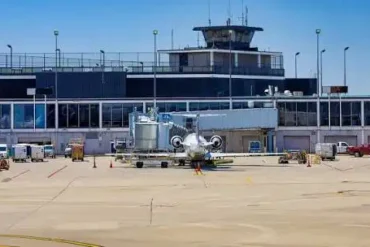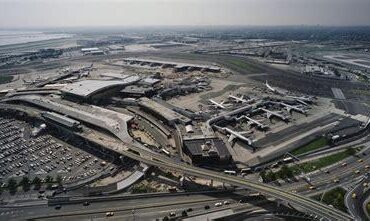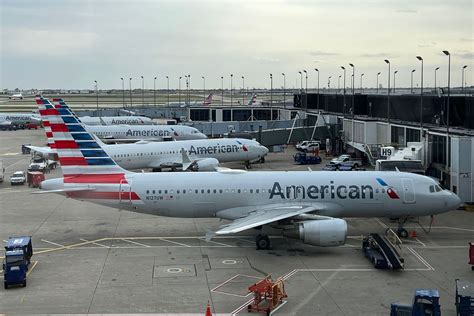
Chicago O’Hare International Airport (ORD), long considered the fortress of United Airlines, is on the brink of a seismic shift. American Airlines has announced a sweeping expansion plan that will reshape the competitive landscape at one of the busiest and most strategically located airports in the world. With up to 100 new daily departures starting spring 2026, American isn’t just adding flights—it’s mounting a direct challenge to United’s decades-long dominance.
Strategic Surge: American’s New Offensive at O’Hare
American’s expansion at O’Hare represents a 30% year-over-year growth in spring capacity, catapulting the airport to the airline’s third-largest hub, behind only Dallas/Fort Worth and Charlotte. At its peak, American plans to operate over 500 daily departures from ORD, a scale that eclipses its historical presence and signals an unambiguous shift in strategic intent.
The routes added are not just filler flights. They’re a surgical strike across high-value corridors, including key domestic business markets and leisure destinations, alongside select transatlantic routes. By targeting United’s strongholds, American is seeking to alter the perception of its role in Chicago—from secondary hub operator to equal contender.
Rewriting the Power Playbook: Why This Move Matters
For years, United enjoyed near-monopoly conditions at O’Hare. That dominance shaped pricing, availability, and the strategic posture of other carriers in the region. American’s bold move fractures that narrative, injecting a new level of competition into a market where fares and route options were often dictated by a single player.
Robert Isom, CEO of American Airlines, was clear in his statement:
“Chicago is a critical hub for our network, and this expansion reflects our long-term commitment to competing and winning at O’Hare.”
This isn’t about seasonal boosts or short-term experimentation. It’s a durable strategic pivot, aligning with broader trends in U.S. aviation, where legacy carriers are doubling down on core hubs rather than spreading resources thin across marginal markets.
The Route Roster: A Balancing Act of Leisure and Business
American’s strategy is multi-pronged, catering to both vacationers and business travelers. The spring schedule will see significant boosts in frequencies to high-demand leisure destinations such as:
- Las Vegas
- Orlando
- Sarasota
- Panama City, Florida
These destinations traditionally witness peak travel during spring break and early summer, and the added capacity is aimed squarely at capturing seasonal traffic before United can capitalize on demand.
Meanwhile, American is doubling down on business-critical routes, increasing service to major economic hubs:
- Boston
- Dallas/Fort Worth
- San Francisco
These moves reinforce O’Hare’s value not just as a leisure origin point, but as a critical node in American’s corporate travel ecosystem. The airline is also pushing seasonal international services like Dublin and Paris further into the spring, reflecting a confident read on sustained demand for transatlantic travel outside the traditional summer peak.
Head-to-Head With United: A New Competitive Era
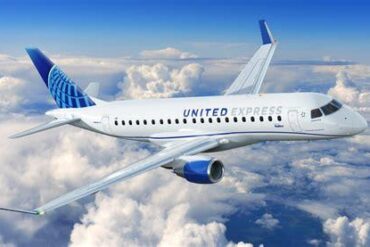
United Airlines, still the largest operator at O’Hare, currently offers a wider range of international destinations and hundreds more daily flights. But the landscape is shifting. American’s investment narrows the gap in a way not seen in over a decade. This is not just a numbers game—it’s about network flexibility, customer choice, and breaking psychological dominance.
Historically, consolidation trends post-merger allowed United to entrench itself deeply into O’Hare. American’s renewed push disrupts this status quo, suggesting the beginning of a balanced dual-hub model in Chicago. If American succeeds, O’Hare could evolve from a fortress hub to a battleground, forcing both carriers to innovate and invest.
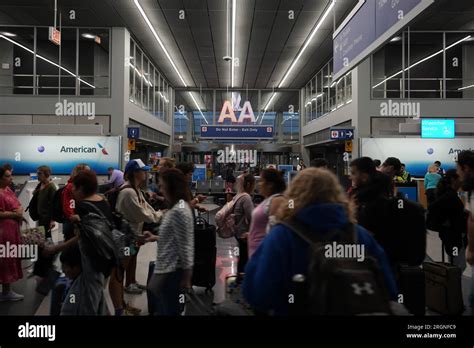
The Infrastructure Challenge: Can O’Hare Keep Up?
All this growth begs a critical question: can the airport itself handle it?
O’Hare’s ongoing modernization project, including new terminal construction and expanded gate capacity, is designed to meet growing demand. However, American’s aggressive expansion puts pressure on those timelines. Gate access, runway congestion, and terminal efficiency could all become flashpoints as both American and United jostle for space.
More flights mean greater operational complexity, and travelers could face growing pains before the benefits of increased competition are fully realized. Still, airport authorities are likely to welcome the heightened activity, given the positive implications for jobs, revenue, and O’Hare’s global standing.
Economic & Competitive Impacts: What It Means for Travelers
For consumers, the implications are substantial:
- Lower fares: Increased competition typically results in downward pricing pressure.
- Better schedules: More nonstop options and greater frequency improve travel flexibility.
- Enhanced service: Competing carriers are often forced to improve amenities and loyalty offerings.
The expansion also has ripple effects beyond Chicago. American’s bolstered hub at O’Hare strengthens its overall domestic network, improving connectivity across the Midwest and reinforcing its position in the broader U.S. aviation hierarchy.
Long-Term Strategy or Short-Term Gamble?
Some industry analysts caution that this expansion could strain American’s resources or provoke unsustainable fare wars. But the data suggests otherwise. American has been rebuilding its ORD operation methodically, ramping up flights post-pandemic and restoring key international services with care.
This expansion is not reactive. It builds on consistent multi-year growth trends and aligns with American’s broader post-COVID recovery strategy. While risks exist—especially around cost management and gate logistics—the move is calculated and clearly signals a long-term strategic intent, not a speculative gamble.
The Bigger Picture: O’Hare as a Bellwether
O’Hare isn’t just an airport. It’s a barometer for U.S. airline competition. How American’s move plays out could shape how other legacy carriers approach fortress hubs. If successful, this model may be replicated at other airports long held by single carriers, such as Delta at Atlanta or United at Newark.
What’s unfolding in Chicago is a power play with nationwide implications, reshaping not just routes and frequencies, but the very logic of airline network strategy.
Conclusion: The End of a Monopoly, or the Start of a War?
American Airlines’ aggressive expansion at Chicago O’Hare is a defining moment in post-pandemic aviation. It challenges a deeply entrenched status quo, offering travelers more options while forcing competitors to adapt. Whether this becomes the end of United’s monopoly or merely the start of a new arms race will depend on execution, infrastructure, and market response.
What’s certain is that O’Hare will never be viewed the same again. For travelers, it marks the dawn of a more competitive, dynamic era. For airlines, it’s a reminder that dominance is never permanent—and that in the skies above Chicago, the game has just changed.