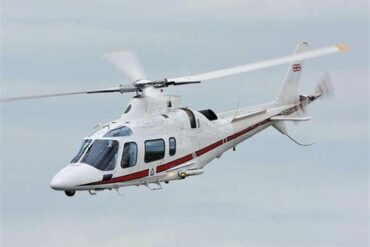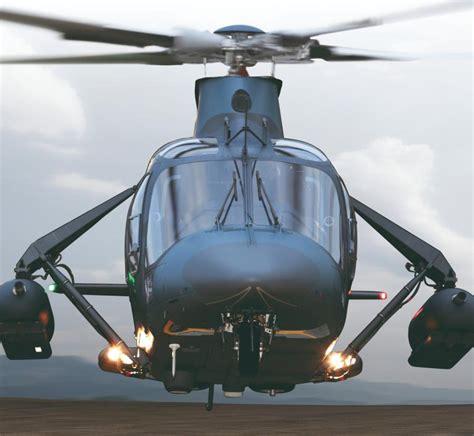
Argentina is taking a decisive step toward restoring its maritime aviation capabilities with the confirmed acquisition of the Leonardo AW109M search and rescue (SAR) helicopter, with the first delivery scheduled for 2027. This move signals more than just a procurement milestone—it represents a strategic shift in how the Argentine Navy plans to project power, enforce maritime sovereignty, and respond to emergencies across the vast and often unforgiving South Atlantic.
The return of organic shipborne aviation has long been a missing piece in Argentina’s naval doctrine. Years of limited helicopter availability and aging platforms have constrained operational flexibility, leaving offshore patrol vessels without the airborne support they were designed to deploy. With the introduction of the AW109M, that gap is set to close, bringing a new level of responsiveness and situational awareness to naval operations.
This acquisition is not merely about replacing outdated equipment—it is about rebuilding a capability ecosystem that integrates aviation, surveillance, logistics, and rapid response into a cohesive maritime strategy.
Strategic Context Behind the AW109M Acquisition
Argentina’s decision to procure the AW109M comes at a time when maritime security challenges are intensifying across the South Atlantic. From illegal fishing activities within the Exclusive Economic Zone (EEZ) to the need for faster search and rescue operations, the operational demands on the Navy have outpaced its existing resources.
The agreement, signed in February 2026 during high-level discussions between Defense Minister Carlos Presti and Italian Ambassador Fabrizio Nicoletti, includes the acquisition of four helicopters, alongside a comprehensive package covering training, spare parts, and simulation systems. The total program is financed through a €71.6 million loan, structured to minimize immediate fiscal pressure while ensuring long-term capability development.
While the original requirement called for eight helicopters, budget constraints have limited the initial phase to four units. Even so, this scaled acquisition is sufficient to establish a baseline operational capability, with the potential for expansion in the future.
Closing the Capability Gap in Naval Aviation
For years, the Argentine Navy has relied on a small fleet of helicopters with low operational availability, significantly limiting its ability to conduct sustained maritime missions. The existing AS-555 Fennec helicopters, originally configured for target designation, lack the versatility required for modern naval operations such as search and rescue, transport, and maritime patrol.
This shortfall has had a cascading effect. Offshore patrol vessels—designed to operate with embarked helicopters—have been unable to fully utilize their capabilities. Without airborne assets, ships are restricted to their radar horizon, reducing their ability to detect, track, and respond to distant threats or emergencies.
The introduction of the AW109M changes this equation entirely. By enabling ships to deploy their own helicopters, the Navy regains the ability to conduct over-the-horizon surveillance, rapid interception, and coordinated multi-domain operations.
Technical Overview of the Leonardo AW109M
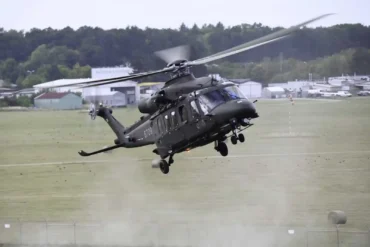
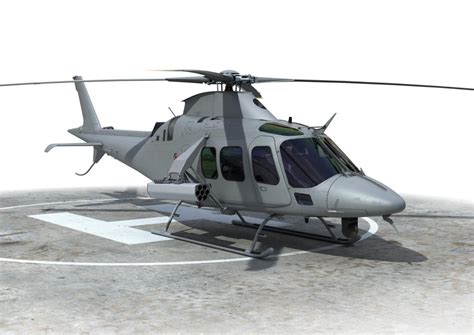
The Leonardo AW109M is a light, twin-engine helicopter designed to deliver high performance in both land and maritime environments. Its compact dimensions and advanced engineering make it particularly well-suited for shipboard operations, where space constraints and environmental challenges demand precision and reliability.
Measuring 13.04 meters in length with a rotor diameter of 11 meters, the aircraft is optimized for compatibility with naval hangars and deck operations. It is powered by two Pratt & Whitney PW206C engines, each delivering up to 477 kW at takeoff, ensuring strong performance even in demanding conditions.
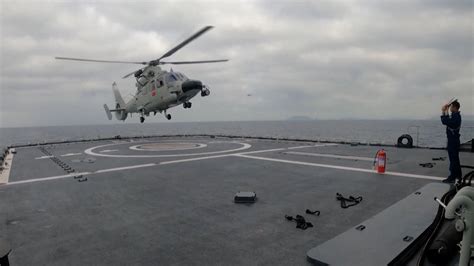
The helicopter’s performance profile is equally impressive. With a maximum speed of 311 km/h and a cruise speed of 285 km/h, it can rapidly respond to incidents over a wide area. Its operational range of up to 948 kilometers and endurance of nearly five hours allow for extended missions without frequent refueling.
Equally important is its ability to operate in challenging environments. The AW109M can reach a service ceiling of 5,974 meters and maintain stable hover capabilities at high altitudes, making it adaptable to a variety of mission scenarios.
Mission Versatility and Operational Roles
One of the defining strengths of the AW109M is its multi-role capability. Unlike legacy platforms with narrow mission profiles, this helicopter is designed to perform a wide spectrum of tasks without extensive reconfiguration.
In maritime operations, it serves as a critical asset for search and rescue missions, equipped with rescue hoists and advanced navigation systems that enable recovery operations in difficult sea conditions. At the same time, it supports maritime surveillance, extending the detection range of naval units far beyond the limitations of onboard radar systems.
The aircraft is also capable of executing tactical transport and medical evacuation missions, with a cabin that accommodates up to seven passengers or can be rapidly configured for casualty evacuation. Wide sliding doors facilitate quick embarkation and deployment, including fast-rope insertion for special forces.
Advanced Avionics and Survivability Features
Modern naval operations demand more than raw performance—they require advanced systems that enhance situational awareness, communication, and survivability. The AW109M meets these demands with a sophisticated avionics suite centered around LCD-based flight displays, a three-axis automatic flight control system, and integrated navigation tools.
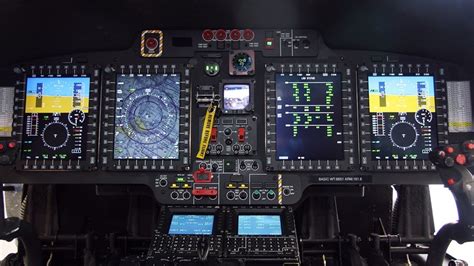
The helicopter is fully compatible with night vision systems, enabling operations in low-light and nighttime conditions. Its communication suite includes multiple radio systems, ensuring seamless coordination with naval and joint forces during complex missions.
Survivability has also been a key design consideration. The aircraft features ballistic protection, self-sealing fuel tanks, and the ability to continue operating for up to 30 minutes after transmission lubrication loss. These features significantly enhance mission resilience, particularly in hostile or remote environments.
Expanding Argentina’s Maritime Reach
Perhaps the most transformative impact of the AW109M lies in its ability to extend the operational reach of the Argentine Navy. By deploying helicopters from offshore patrol vessels, the Navy can monitor areas far beyond the immediate vicinity of its ships.
This capability is particularly critical for enforcing sovereignty within Argentina’s Exclusive Economic Zone, where illegal fishing and unauthorized activities remain persistent challenges. The AW109M allows for real-time detection, identification, and interception, providing a powerful tool for maritime law enforcement.
In search and rescue scenarios, the helicopter dramatically reduces response times. Instead of relying solely on surface vessels, which may take hours to reach a distress location, the AW109M can be dispatched immediately, increasing the chances of successful rescue operations.
Economic and Logistical Considerations
The financial structure of the AW109M program reflects a pragmatic approach to defense modernization. By leveraging external financing, Argentina has been able to initiate a critical capability upgrade without placing immediate strain on its defense budget.
The average cost of approximately €17.9 million per helicopter includes not just the aircraft, but also a comprehensive support package covering training systems, spare parts, and simulation infrastructure. This integrated approach addresses long-standing issues related to maintenance and operational readiness.
Importantly, the inclusion of a full logistics ecosystem ensures that the helicopters will remain operationally available after delivery—a crucial factor given the historical challenges faced by the Argentine Navy in sustaining its aviation assets.
A Foundation for Future Expansion
While the current acquisition is limited to four helicopters, it lays the groundwork for future expansion. The initial deployment will provide valuable operational experience, helping to refine doctrines, training programs, and maintenance practices.
There is already recognition within defense circles that a fleet of four helicopters represents a minimum operational threshold. A second acquisition phase, potentially bringing the total closer to the originally planned eight units, would significantly enhance coverage and redundancy.
Conclusion: A Decisive Turning Point for Argentine Naval Aviation
The arrival of the Leonardo AW109M in 2027 marks a turning point for the Argentine Navy. It is the beginning of a broader effort to restore maritime capabilities that have been eroded over time, and to align the Navy with the operational demands of the modern era.
By reintroducing shipborne aviation, Argentina is not only improving its ability to conduct search and rescue missions—it is reinforcing its capacity to monitor, protect, and control its maritime domain. In a region where distance and response time can mean the difference between success and failure, the AW109M provides a decisive edge.
As these helicopters take to the skies above the South Atlantic, they will symbolize more than technological advancement—they will represent a renewed commitment to maritime security, operational readiness, and strategic resilience.