In a groundbreaking milestone for aviation safety, Autoland technology has proven its real-world capabilities in a dramatic, high-stakes scenario. On a quiet December day in 2025, a Beechcraft Super King Air aircraft landed without any human intervention at Rocky Mountain Metropolitan Airport, near Denver, Colorado. This historic moment marks the first time Autoland has successfully executed a full emergency landing entirely autonomously, solidifying its position as a transformational force in the future of air travel.
The Incident That Changed the Narrative of Flight Safety
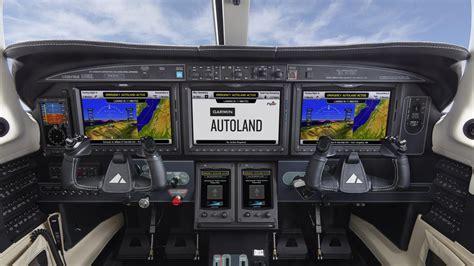
The event unfolded when the private plane, operated by Buffalo River Aviation, experienced a sudden loss of cabin pressure mid-flight. Onboard were two pilots, but no passengers. Alarming as it may seem, air traffic controllers were unable to establish contact with the cockpit during the crucial moments. The Autoland system—designed precisely for scenarios like this—detected pilot unresponsiveness and instantly took command. Without missing a beat, it initiated a sequence of emergency protocols, calculated a viable route, and began descent toward the nearest suitable airstrip.
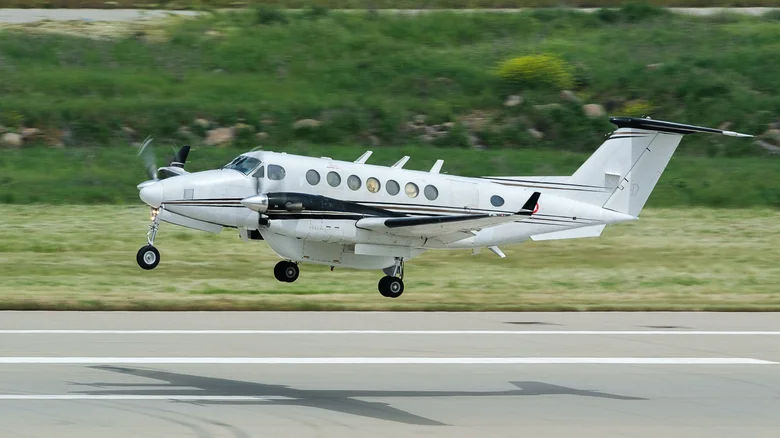
Buffalo River Aviation later confirmed the pilots had followed protocol and immediately donned oxygen masks. However, they did not override the system, allowing it to complete the autonomous landing without interference. “The pilots were prepared to resume manual control of the aircraft should the system have malfunctioned in any way,” the company stated. Yet, no intervention was needed. The plane touched down smoothly, safely, and silently—Autoland had done its job.
What Is Autoland and Why It’s Not Just Autopilot
To understand the true scale of this achievement, one must distinguish Autoland from traditional autopilot systems. Though both sound similar, their operational scope and decision-making capabilities are vastly different.
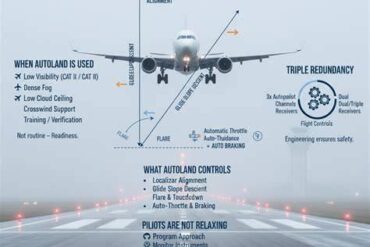
Autopilot assists pilots in maintaining altitude, direction, and speed. However, it still requires manual inputs and pilot supervision. It cannot take over in the event of incapacitation. On the other hand, Garmin’s Autoland is a comprehensive emergency intervention system. Once activated—either manually or automatically—it:
- Assumes full control of the aircraft.
- Determines the nearest safe airport based on weather, fuel, and terrain.
- Communicates with control towers in real time.
- Executes a safe landing, using precision navigation and automated braking.
- Instructs passengers post-landing on how to shut down the aircraft and exit.
Garmin’s Technological Triumph and Industry Recognition
The development of Autoland by Garmin, a company long respected for its innovations in GPS and avionics, began with a singular mission: to safeguard lives in emergencies. First introduced in 2020 after FAA certification, Autoland was the first-ever certified autonomous landing system for light aircraft. Its inaugural integration occurred in the Piper M600, quickly followed by other aircraft from Cirrus, Daher, and eventually, King Air models.
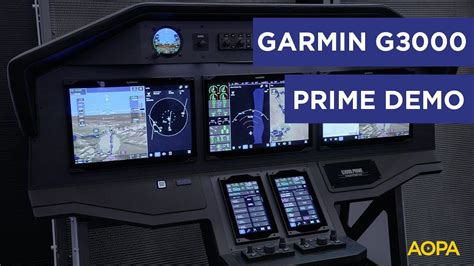
Built into Garmin’s G3000 flight deck system, Autoland functions as a guardian angel, designed not to replace pilots but to act decisively when humans cannot. As of 2025, this technology is no longer a promising concept—it’s a proven safeguard.
The FAA Investigation and What Lies Ahead
Following the incident, the Federal Aviation Administration (FAA) released a preliminary statement outlining the event but has yet to publish full findings. The FAA’s involvement now centers on understanding the causes behind the pressurization issue, evaluating the system’s performance, and defining implications for wider implementation.
The absence of public commentary from the pilots involved adds a layer of intrigue, but one fact is undisputed: Autoland performed flawlessly in a real emergency.
A Glimpse Into the Future of Autonomous Flight
This incident will likely be remembered as a turning point in aviation—a moment when autonomous systems transcended their theoretical potential. Autoland has shifted the public’s and industry’s perception of what is technologically and operationally possible.
Its implications are far-reaching:
- Enhanced safety for private and commercial aviation.
- Improved public trust in autonomous technologies.
- New regulatory frameworks that may pave the way for wider adoption.
- Reinforcement of cockpit redundancy in light aircraft.
As air travel evolves, Autoland’s success story sets the precedent for emergency handling in the skies. The aviation industry must now adapt to a reality where pilotless emergency landings are not just possible, but preferable in certain scenarios.
Conclusion: A New Era of Flight Confidence
The first successful emergency landing by Garmin’s Autoland is more than a technological feat—it’s a paradigm shift. While pilots remain essential to aviation, systems like Autoland redefine what’s achievable when human limitations are met with innovation. In a world increasingly shaped by automation, the skies just became a little safer.