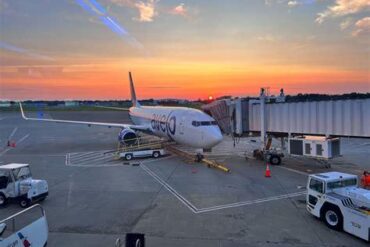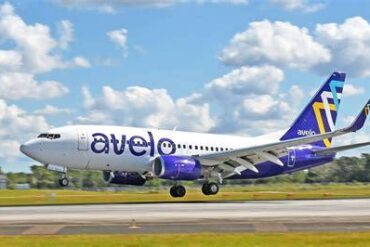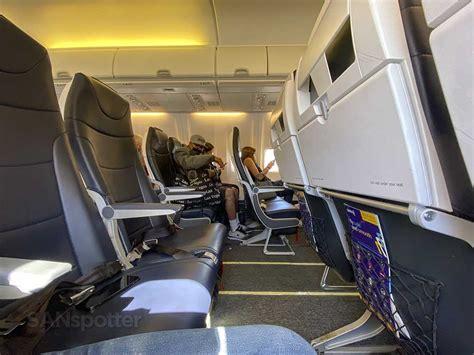
Ultra-low-cost carrier Avelo Airlines is poised to make a strategic pivot in its service offerings that will redefine comfort aboard its Boeing 737 aircraft. Starting September 3rd, the carrier is introducing two new premium seating products—Stretch and Stretch+—designed to enhance passenger comfort with increased legroom and blocked middle seats. This move signals Avelo’s ambition to climb beyond the budget airline tier and compete on service, even as it remains true to its low-cost roots. The catch? It’s going to cost you.
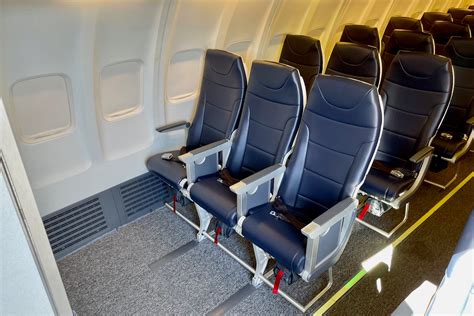
A New Class of Comfort in the Ultra-Low-Cost Space
For a carrier that has built its business model on simplicity and affordability, the announcement is a seismic shift. Avelo Airlines, founded in 2018 under the leadership of CEO Andrew Levy, is the latest entrant in a growing trend among American budget carriers: monetizing comfort. By offering enhanced seating for a fee, Avelo follows a blueprint pioneered by peers like Spirit and Frontier, but with a twist—it is bundling comfort with exclusivity.
Passengers flying from cities such as Dallas (DFW) to New Haven (HVN) will now see seating options that exceed the price of the base fare. For instance, a basic ticket on a 3.5-hour flight might run $79, while premium seating upgrades can climb to nearly $100. Avelo is betting that for the right price, fliers will pay for personal space, especially on longer hauls.
Stretch Seats: More Room Without Breaking the Bank
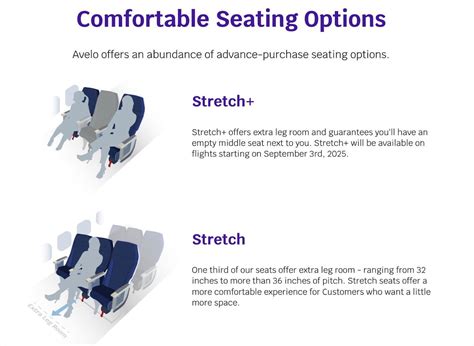
The first offering, known as Stretch, is aimed at those who want additional legroom without splurging on exclusivity. These seats will provide a pitch of 32 to 36 inches, compared to the airline’s standard 29 inches, and are located at the front of the cabin on the ABC side, as well as behind the overwing exit rows on both sides of the aisle.
This configuration mirrors what legacy airlines might label as “Main Cabin Extra” or “Economy Plus.” Passengers can expect a noticeable difference in comfort, especially those over six feet tall or traveling with laptops. But the cost varies:
- Front-of-cabin seats: $40–$64 extra
- Exit row Stretch seats: $26–$28 extra
These prices are influenced by row proximity to the front, and whether the seat is an aisle, window, or—perhaps most controversially—a middle seat. Yes, middle seats still exist in Stretch, though they’re priced lower.
Stretch+: The Premium Experience with a Blocked Middle Seat
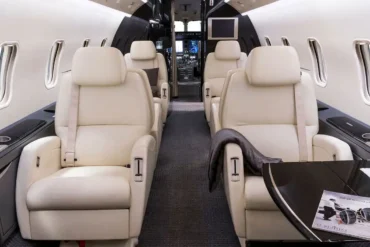
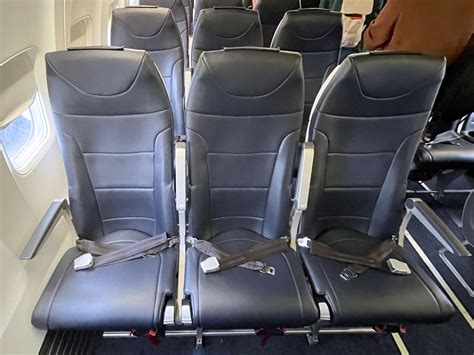
For passengers seeking a more elevated and exclusive experience, Stretch+ introduces blocked middle seats—a rare amenity in the ultra-low-cost sector. Located at the front DEF rows (rows 2 to 6) and across the overwing exits, Stretch+ mimics the feel of short-haul business class offerings in Europe.
This product ensures that no one will be seated between you and your seatmate. For travelers craving space and psychological comfort, this alone might justify the price:
- Overwing Stretch+ seats: $90 extra
- Front DEF Stretch+ seats: $80–$99 extra
Given that the base fare for the same flight is $79, these premiums position the Stretch+ offering as a true upgrade experience rather than a minor convenience.
Why Avelo’s Strategy Makes Economic Sense
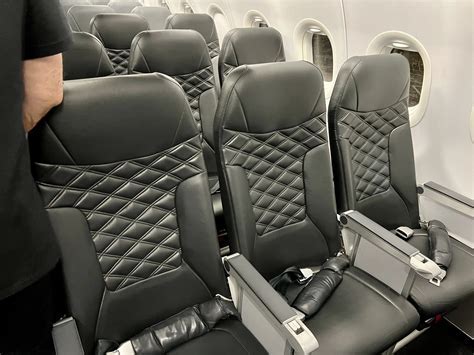
In the ultra-low-cost model, base fares rarely cover the full cost of operating a flight. Airlines rely heavily on ancillary revenue—fees for bags, early boarding, seat assignments, and now, premium seating—to drive profitability. By rolling out these new seat classes, Avelo is strategically tapping into a higher-yield market without restructuring its core low-cost operations.
Chief Commercial Officer Brian Davis framed the move as an expansion of passenger choice, stating: “Stretch and Stretch+ reflect our commitment to giving travelers more choice and comfort while staying true to what sets us apart: convenient, reliable, and affordable service.”
The flexibility of the offering, with variable pricing across routes, reflects the data-driven strategies Avelo uses to optimize revenue. A flight from Los Angeles to Bozeman might yield different seat upgrade fees than one from Orlando to Wilmington, depending on load factors, distance, and demographics.
What This Means for Budget Travelers
Not every Avelo traveler will pay for more legroom—and that’s precisely the point. The airline is careful not to alienate its price-sensitive base. For those who are comfortable with a no-frills experience, the standard 29-inch pitch and traditional seating model remains untouched. However, for business travelers, families, or those flying longer routes, these new upgrades may present a compelling value proposition.
Comfort, once a luxury, is becoming a commodity—but one that passengers can now purchase à la carte. With blocked middle seats becoming a feature in both domestic and international economy products, Avelo is not just chasing trends; it’s helping to set them.
Inside the Aircraft: Layout and Fleet Overview
Avelo operates a growing fleet of 20 Boeing 737s, including:
- 8 Boeing 737-700s (average age: 19 years)
- 12 Boeing 737-800s (average age: 15.6 years)
These aircraft are being retrofitted to support Stretch and Stretch+ configurations. The strategy enables Avelo to offer consistent product features across its fleet while maximizing revenue on high-demand routes.
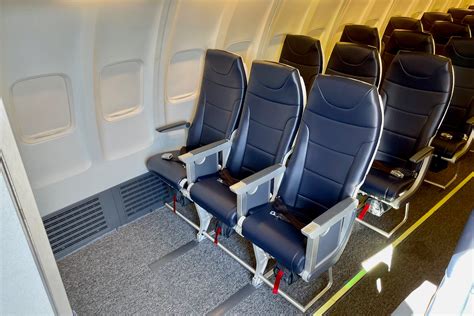
Additionally, these aircraft modifications are a relatively low-cost investment when compared to long-haul widebody reconfigurations. This agility allows Avelo to respond quickly to market shifts.
How Pricing Compares to Legacy Airlines
Legacy carriers like American Airlines, Delta, and United have long offered extra legroom and comfort upgrades. However, Avelo’s model differs in one crucial aspect: its pricing can exceed the base fare, particularly on shorter, cheaper routes. This shift introduces a pricing paradox where comfort is no longer bundled but valued separately.
Whereas a passenger on United might pay $59 to upgrade a $220 ticket, Avelo’s passengers could be asked to pay $99 to upgrade a $79 fare. It’s a reversal of expectations—and perhaps a recalibration of what travelers value most: cost or comfort?
Customer Psychology and the Middle Seat Equation
One of the most hated features of economy class travel is the middle seat. By offering blocked middle seats, Avelo is not only improving physical comfort but also addressing emotional pain points. This small detail could have an outsized impact on customer satisfaction and repeat bookings.
Moreover, as public awareness of space, health, and personal boundaries continues to evolve—especially post-pandemic—expectations around personal space have changed. A blocked middle seat, long seen as a perk of business travel, now appeals to a much broader demographic.
The Future of Avelo’s Premium Offering
Avelo’s strategy is unlikely to stop at legroom and blocked seats. If these offerings prove successful, the next logical steps may include:
- Priority boarding for Stretch+ passengers
- Free or discounted in-flight snacks and drinks
- Bundled pricing for luggage plus seating
- Loyalty point incentives tied to premium purchases
By layering service enhancements in this modular fashion, Avelo can cater to both cost-sensitive consumers and those willing to spend more—without cannibalizing either market.
Conclusion: A Small Step That Could Reshape Budget Travel
What Avelo Airlines is doing with Stretch and Stretch+ is more than just tweaking seat pitch—it’s reshaping the low-cost travel experience. It introduces nuance into a sector long defined by binary options: cheap or not. Now, passengers can tailor their experience, choosing comfort when it matters and economy when it doesn’t.
Yes, it will cost you. But for many travelers, the value proposition of more legroom and a guaranteed empty seat beside them may prove irresistible. As the airline industry continues to evolve post-pandemic, these small changes signal a broader trend: the democratization of premium experiences—on your terms, and within your budget.