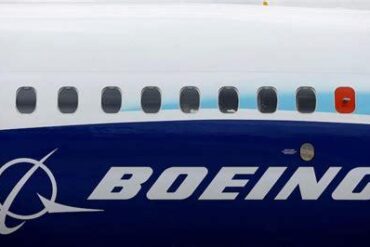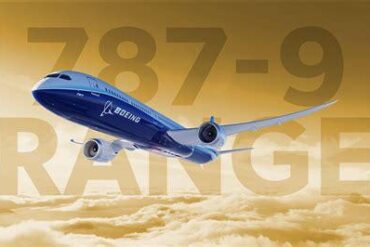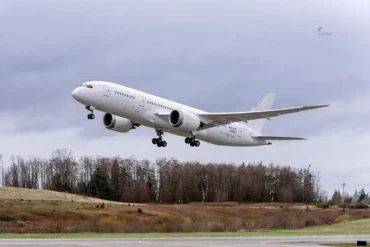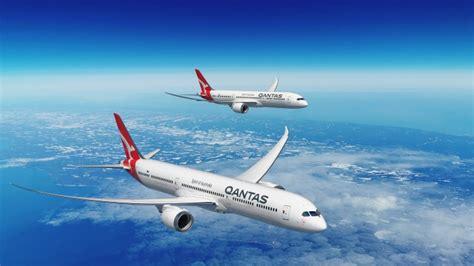
Boeing has reported a 15% quarter-over-quarter increase in commercial aircraft deliveries, marking its strongest second-quarter performance since 2018. The surge, announced on July 8, 2025, is anchored by increased production of the 737 MAX and a near-doubling of 787 Dreamliner deliveries from the first to the second quarter. Boeing’s total deliveries for Q2 reached 150 aircraft, bringing its year-to-date total to 280 jets, signaling a pivotal rebound for the American aerospace giant.
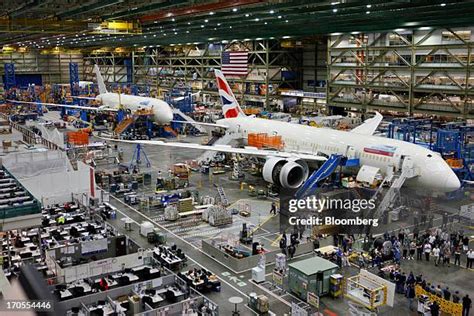
Strongest First-Half Delivery Performance Since 2018
Between April and June, Boeing delivered:
- 104 units of the 737 series
- 24 units of the 787 Dreamliner
- 13 units of the 777 series
- 9 units of the 767
The delivery momentum culminated in a robust June, where the company handed over 60 aircraft, including 42 737 MAX jets. Notably, this marked Boeing’s best single-month performance since December 2023, further cementing a resurgent operational tempo. The second-quarter achievements pushed the company’s H1 2025 output to levels not seen since pre-pandemic peaks, reigniting industry and investor confidence alike.
The return to form is especially significant in light of the 737 MAX’s previous production halts, compounded by the high-profile Alaska Airlines door plug incident in January 2024. Since then, Boeing has faced intense scrutiny from both regulators and the public, leading to tighter FAA oversight and a mandated cap of 38 MAX jets per month.
Boeing Resumes Aircraft Deliveries to China
Another strategic milestone in Q2 was the resumption of Boeing deliveries to China, previously disrupted by trade tensions. The return of Chinese customers marked a geopolitical thaw with tangible business benefits. In June alone, eight aircraft were delivered to Chinese airlines, including:
- Xiamen Airlines
- China Southern
- Air China
- Minsheng Financial Leasing
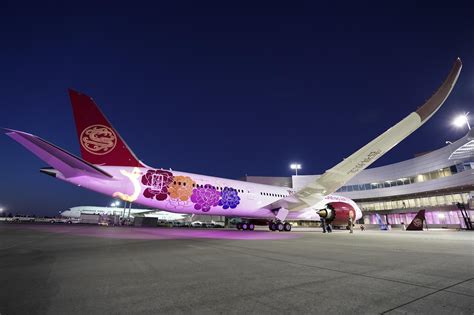
Among these, the deliveries included multiple 737 MAX jets and one deferred 787-9 to Juneyao Air, as well as a 777 Freighter for Air China Cargo. The reactivation of this key market signals new revenue potential and demand recovery in Asia, where Boeing has historically struggled to maintain parity with its European rival, Airbus.
Q2 Sees Near Doubling of 787 Dreamliner Deliveries
One of the standout figures in Boeing’s Q2 2025 performance was the near 100% increase in 787 Dreamliner deliveries, jumping from 13 units in Q1 to 24 in Q2. Year-to-date, that brings the total to 37 Dreamliners, a welcome rebound following prolonged production slowdowns due to quality control issues and fuselage inspections.
This increase is especially critical as the Dreamliner remains central to Boeing’s long-haul strategy, competing directly with the Airbus A350. The resurgence reflects steady progress in quality assurance improvements, with the manufacturer now meeting internal safety benchmarks and earning regulatory confidence. Boeing has also reported progress across six FAA-monitored safety and quality metrics, an achievement that helps rebuild trust and paves the way for increased production rates.
737 MAX Production Maintains Momentum Amid Regulatory Cap
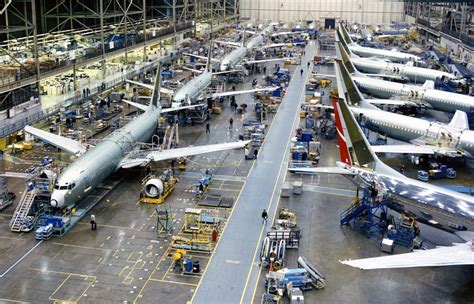
The 737 MAX program, despite being capped at 38 aircraft per month by the FAA, continues to be Boeing’s highest-volume line. With 104 jets delivered in Q2, it remains a workhorse model, especially for domestic and regional carriers. Boeing CEO Kelly Ortberg has signaled confidence in raising the monthly production rate to 42 units, contingent on sustained compliance with FAA regulations.
Ortberg emphasized in a recent statement that the company has made “significant strides in stabilizing the production line and enhancing workforce training,” especially after the early-2024 incident. If the trend continues, Boeing may petition the FAA to lift the current output cap, potentially unlocking significant revenue growth in the coming quarters.
Record-Breaking Order Book Boosts Outlook
Beyond deliveries, Boeing’s order backlog saw explosive growth in Q2, with 427 aircraft ordered, up from just 25 orders in Q2 2024. The spike was driven largely by a massive $96 billion order from Qatar Airways, which committed to:
- 130 Boeing 787 Dreamliners
- 30 Boeing 777-9s
This record-setting Dreamliner order is the largest in the model’s history, and includes options for an additional 50 jets, reinforcing Boeing’s long-term market prospects. The order came during a high-profile diplomatic visit, underscoring the geopolitical dimensions of aircraft sales in today’s global market.
Boeing also logged its highest monthly order total since 2023 in May 2025, with 303 gross orders. Analysts view this as a strong indicator that major carriers are preparing for sustained demand over the next decade, particularly in Asia-Pacific and the Middle East.
Fitch Upgrades Boeing’s Credit Rating to Stable
In June, Fitch Ratings upgraded Boeing’s outlook from “Negative” to “Stable,” citing improved delivery performance, production stabilization, and increased order activity. This is a pivotal development for Boeing as it seeks to manage long-term debt and expand future investment in R&D and facilities.
The credit upgrade also enhances Boeing’s borrowing capacity, making it easier to finance capital-intensive programs like the 777X, ecoDemonstrator, and potential next-generation narrow-body aircraft.
Challenges Remain Despite Momentum
Despite the glowing Q2 report, challenges persist. Boeing continues to operate under close regulatory oversight, particularly regarding the 737 MAX line. The company is also grappling with ongoing labor shortages, supply chain disruptions, and a cautious global airline recovery, particularly in Europe and South America.
Additionally, Airbus continues to hold a commanding lead in global narrow-body deliveries, having optimized its A320neo family production line and achieved higher output consistency. While Boeing’s gains are significant, parity with Airbus remains an uphill battle in the short term.
Looking Ahead: Q3 and Beyond
Boeing will release its full Q2 2025 financial results on July 29, which will provide a deeper view into revenue, operating margin, and projected guidance for the second half of the year. Analysts expect that the robust delivery numbers and strong order book will translate into improved financials, potentially reversing several quarters of underperformance.
If Boeing maintains current momentum—particularly in the Dreamliner and MAX programs—it could end 2025 with over 600 aircraft deliveries, which would mark its best year since 2018. This would not only strengthen investor confidence but also solidify Boeing’s recovery narrative following years of crisis and scandal.
Conclusion: A New Chapter for Boeing?
The second quarter of 2025 may well be remembered as the inflection point for Boeing’s commercial recovery. The 15% jump in quarterly deliveries, nearly doubled 787 output, resumption of Chinese orders, and blockbuster Qatar Airways deal collectively form a compelling story of resurgence.
Yet Boeing must remain vigilant. Regulatory scrutiny, supply chain bottlenecks, and geopolitical volatility remain ever-present risks. Still, with a growing backlog, resurgent production lines, and improving financial metrics, Boeing appears finally poised to reclaim its leadership role in global aviation.
The coming quarters will test whether this resurgence is durable or merely a rebound—but for now, Boeing’s Q2 2025 performance offers a bold statement of intent.