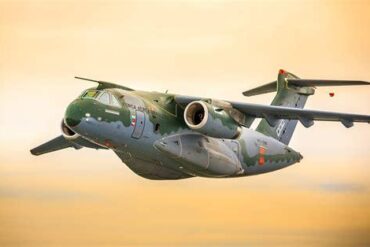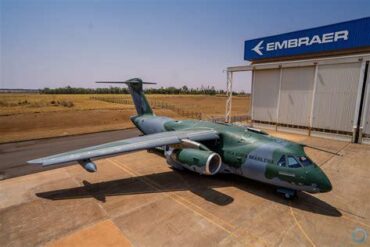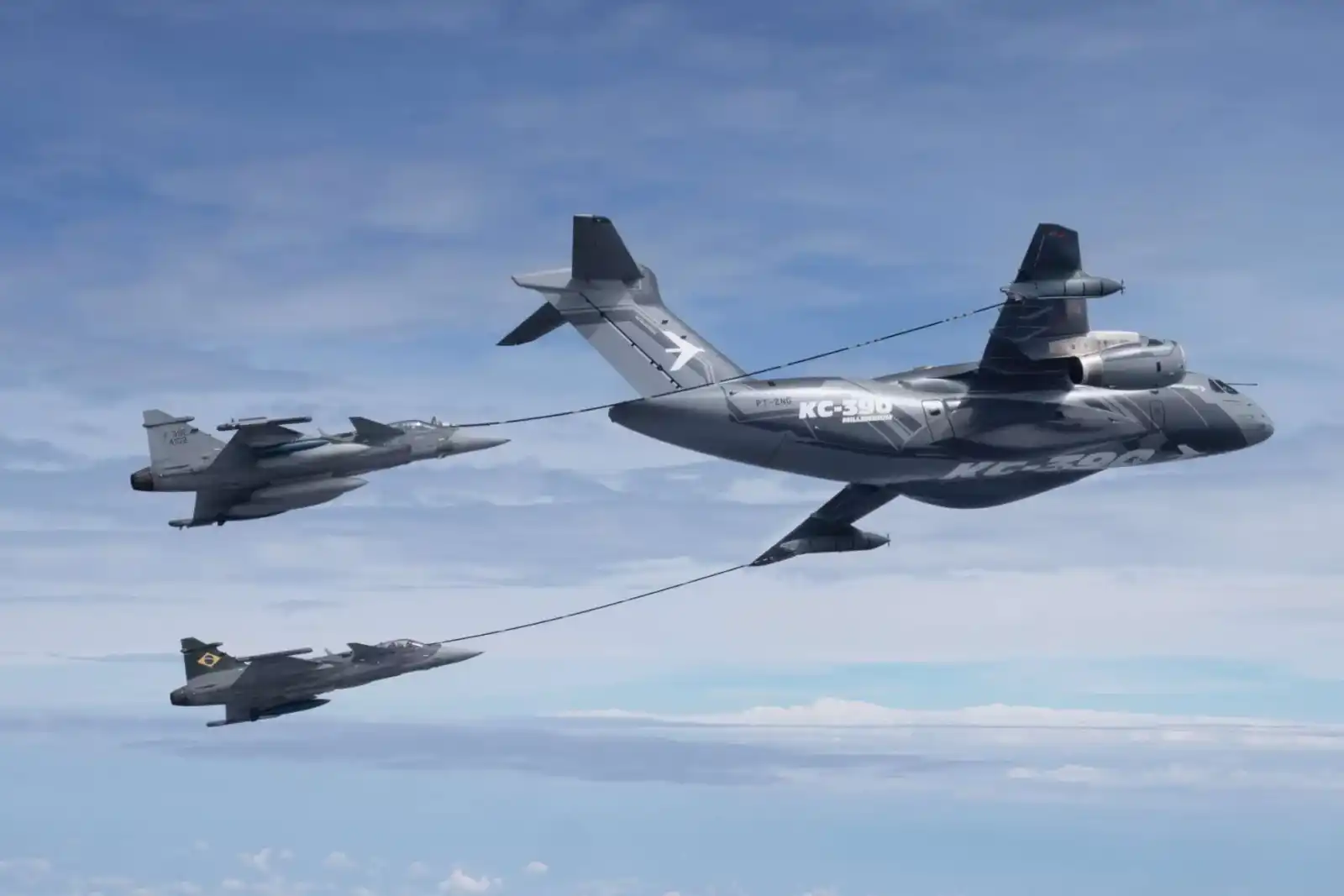
Brazil has officially sealed a game-changing integration in its defense architecture: the KC-390 Millennium multi-mission tanker has completed in-flight refuelling certification with the Gripen E fighter jet. This milestone not only fortifies the operational reach of the Brazilian Air Force (FAB), but also delivers a powerful, export-ready aerial package co-developed by Embraer and Saab, backed by domestic testing, national aerospace engineering, and international cooperation.
A Technological Milestone: Operation Samaúma’s Success
Conducted at Gavião Peixoto in São Paulo State, under the leadership of the Department of Aerospace Science and Technology (DCTA), the campaign involved joint teams from Embraer, Saab, and the FAB. The objective was clear: certify air-to-air refuelling between the KC-390 and the F-39E Gripen under various flight conditions. These included day and night operations, different altitudes, and multiple refuelling speeds.
The mission, dubbed Operation Samaúma, achieved two primary goals:
- Full flight envelope certification of the Gripen E as a receiver aircraft from the KC-390.
- Aerodynamic and systems compatibility validation, including real-time data link, wake turbulence management, and flight control system integration.
Both aircraft’s fly-by-wire control systems were pivotal. The KC-390 generated minimal turbulence for the trailing fighter, while the Gripen E responded with smooth precision—demonstrating a level of operational harmony typically reserved for long-established Western platforms.
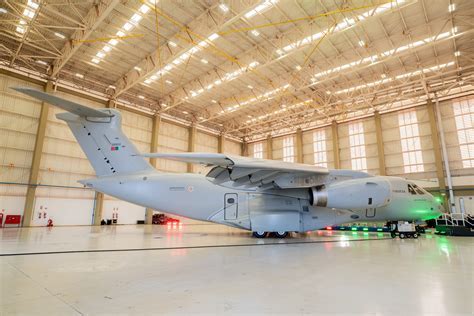
KC-390 Millennium: Brazil’s Multirole Tactical Workhorse
Designed as a replacement for aging C-130 Hercules-class airlifters, the KC-390 is a twin-jet tactical transport aircraft with the flexibility to serve as a high-performance tanker. Its hose-and-drogue system, mounted underwing, allows it to refuel:
- Fighters like the Gripen E
- Rotary-wing assets
- Other transports and ISR aircraft
It retains core capabilities for:
- Cargo and troop transport
- Medevac missions
- Humanitarian and disaster relief operations
The KC-390’s jet-powered design ensures higher cruise speeds than turboprop counterparts, while its modularity supports rapid mission switching without major overhauls.
Gripen E: Agile Multirole Fighter With Sovereign Reach
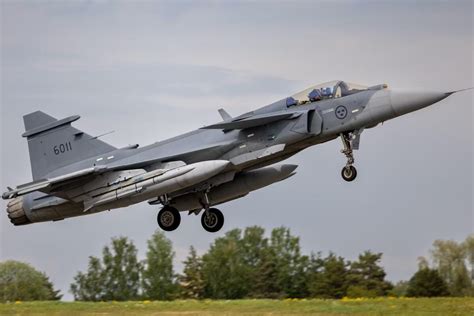
Meanwhile, the Gripen E, known as F-39E in FAB service, reflects Sweden’s latest evolution in light fighter design. With its AESA radar, electronic warfare suite, and networked combat systems, it is tailored for asymmetric theaters and dispersed operations—especially in regions with short, semi-prepared runways.
Brazil became the first foreign launch customer through the FX-2 program, with 36 aircraft on order and deliveries ongoing through 2026. Assembly is taking place at Embraer’s facilities, further strengthening Brazil’s aerospace independence.
A Strategic Force Multiplier for Medium-Sized Air Forces
What makes this pairing strategically potent is the cost-effective, flexible nature of both aircraft. Together, the KC-390 and Gripen E deliver:
- Lower lifecycle costs than heavy fighter-tanker duos
- Rapid deployability over jungle, ocean, and remote terrain
- NATO-compatible aerial refuelling, tested and certified
This aligns perfectly with the needs of mid-sized air forces seeking maximum capability with minimal logistical footprint.
International Momentum and Export Potential
Beyond national interest, the tandem is also positioned as a formidable export product. Key facts:
- Portugal ordered 5 KC-390s in 2019 for €827 million, later expanded to 6.
- Sweden, co-developer of the Gripen E, ordered 60 jets and selected the KC-390 as a future airlifter.
- Thailand signed a deal for four Gripen E units worth 5.3 billion kronor.
- Ukraine is in talks for up to 150 Gripens—potentially Sweden’s largest fighter export.
By integrating these platforms, customer nations avoid the need to acquire separate tanker fleets, saving billions while ensuring a tightly coupled operational ecosystem.
Industrial Sovereignty and Strategic Autonomy
Perhaps most critically, this integration marks Brazil’s entry into an elite club of nations capable of developing, testing, and certifying their own in-flight refuelling solutions. It represents not just a military advancement, but a sovereign industrial leap—ensuring that foreign dependencies don’t cripple high-end operations.
For Sweden, it aligns with its European transport fleet initiative and strengthens its long-term vision for export-oriented defense technology.
A Certified Future: Operational and Political Leverage
The KC-390/Gripen E integration offers a compelling geopolitical narrative. A defense collaboration between a NATO member (Sweden) and a Global South leader (Brazil) signals a realignment in the global defense market—diversifying options beyond U.S. and EU hegemony.
For current and prospective customers, the message is clear: this is not just a pair of aircraft—it’s a tested, validated airpower ecosystem, operational across some of the world’s harshest environments and backed by resilient industrial frameworks.
As air forces around the world prioritize modularity, interoperability, and affordability, the KC-390 Millennium and Gripen E package sets a high benchmark—one likely to shape acquisition strategies well into the 2030s.