The world of aviation flight dispatching is rapidly evolving, with high demand for certified professionals capable of making real-time, safety-critical decisions. Amidst this growing industry, the Flight Innovation Dispatch Course in Chicago has emerged as a notable FAA Part 65 program promising to prepare aspiring dispatchers for success. In this review, we present a comprehensive evaluation of the course, exploring its curriculum, instruction quality, placement prospects, and overall value.
Understanding the Appeal of Flight Innovation’s Dispatch Program
With airlines rebounding from the pandemic and aggressively filling positions vacated by retirement and expansion, the window for entering the dispatch field seemed wide open over the last two years. For many in the Midwest, Flight Innovation Inc., located in Chicago, has become a preferred gateway due to proximity, cost-effectiveness, and its intensive 8-week in-person format.
The course’s main draw lies in its compact schedule and FAA-approved curriculum, which allows students to focus full-time on licensing preparation without a long-term commitment. While other programs like Jeppesen offer a hybrid model with online modules, Flight Innovation appeals to students looking for direct mentorship, hands-on interaction, and fast-track completion.
Instructors with Real-World Experience: A Core Strength
The heart of Flight Innovation’s reputation lies in its instructional staff—Borys and Mark—who are consistently praised by graduates. Both bring decades of practical dispatching experience, providing students with insights that go far beyond textbooks. Students often highlight how the instructors don’t merely recite material but contextualize it with real-world airline operations scenarios.
Borys is known for his deep knowledge of weather interpretation and regulatory compliance, while Mark excels in flight planning systems and operational control strategies. Their teaching approach fuses technical mastery with practical anecdotes, a pedagogical style that makes learning both immersive and relevant.
Curriculum Structure: Efficient but Not Without Flaws
Flight Innovation’s curriculum includes all required FAA content to prepare for the Aircraft Dispatcher Certification (ADX), including:
- Meteorology and weather interpretation
- Aircraft performance and limitations
- Air traffic control systems
- Federal Aviation Regulations (FAR Part 121)
- Navigation and flight planning
The course incorporates Sheppard Air test prep at no additional cost, a feature added recently to boost ADX exam performance. According to students, this tool significantly streamlines the learning curve for the notoriously dense written test.
However, the program isn’t flawless. Since the Sheppard system was only recently introduced, some students noted gaps in integration between live instruction and Sheppard modules. Earlier cohorts felt there were inconsistencies in how topics were reinforced, although many acknowledged these are being corrected based on feedback.
Cost Breakdown and Licensing Milestones
Despite being budget-friendly compared to national programs, prospective students should plan for the full financial scope:
- Course Tuition: Varies by session, generally under industry average
- ADX Written Test: $150
- Oral & Practical (O&P) Exam: $500
The program does not include housing, so Chicago residents benefit most unless students can afford to temporarily relocate. Importantly, Flight Innovation does not require students to complete the ADX before joining, though many competitors recommend it. With Sheppard Air now embedded, preparing for the ADX during the course has become more viable.
Job Placement Outlook: Grounded in Reality, Not Just Dreams
A key consideration for any dispatch school is the realistic career outlook post-graduation. For those based in Chicago, options are somewhat limited if one insists on staying local. Outside of United Airlines’ OCC, most carriers in the area offer limited opportunities—often at low pay and with demanding schedules.
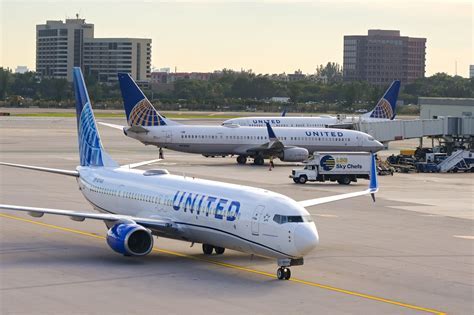
To secure a position with a major airline like United, candidates will generally need at least one year of regional airline experience, according to alumni and dispatch insiders. Consequently, students should be prepared to relocate for jobs at carriers like SkyWest, Republic, Envoy, or Endeavor. Among these, SkyWest is often considered the top regional employer.
Flight Innovation’s instructors reportedly offer job search guidance and resume tips, but the school does not advertise formal placement services. Still, alumni report positive outcomes, especially for those who remain active, network within the community, and keep their knowledge sharp.
Competitive Edge and Market Timing: A Shrinking Window?
Many forums and dispatch professionals have noted that the recent hiring surge among major airlines is starting to wane. American, Delta, and Southwest have slowed new dispatcher hires after aggressively backfilling pandemic-era retirements. As a result, Flight Innovation graduates entering the field now face a more competitive job market than peers from just a year or two ago.
However, opportunities remain strong in:
- Part 135 operations (e.g., NetJets, Solairus)
- Corporate flight departments
- Flight follower roles in charter services
Though these roles don’t always require FAA certification, the license adds significant value and prepares graduates for eventual transitions into Part 121 carriers when opportunities arise. One former student shared how starting in 135 operations helped them build vital skills while waiting for airline positions to open.
Student Experience and Feedback: Authentic Voices Matter
Feedback from former students paints a well-rounded picture of the program. Most commend the instructors’ commitment, the curriculum’s relevance, and the effectiveness of Sheppard Air test prep. One graduate who completed the course in December said:
“I passed my O&P yesterday! Would recommend them for sure. They’ve learned what’s working best and will only improve from here.”
Still, students should come with realistic expectations. This course won’t guarantee a job at a major carrier, nor is it designed for passive learners. One user cautioned:
“Jobs in Chicago are sparse if you don’t have experience… You’ll likely have to move to a regional first.”
In other words, Flight Innovation sets the foundation—but it’s on the student to build the career.
Flight Innovation vs. Other Dispatch Programs
When compared to alternatives like Jeppesen or Sheffield, Flight Innovation holds its own in certain areas:
Pros
- Shorter, more intensive in‑person course
- No‑cost Sheppard Air access
- Affordable tuition
- Experienced instructors
Cons
- No hybrid/online option
- Limited local job market
- Relocation often necessary
Those who need flexibility or prefer online instruction may gravitate toward longer programs like Jeppesen’s 13-week blended course, but for students in the Midwest seeking immersion and accelerated licensing, Flight Innovation offers a viable and effective path.
Final Verdict: A Smart Option for Focused Candidates
Flight Innovation’s dispatch course stands as a strong contender in FAA-approved dispatcher training, especially for individuals who can commit to an 8-week intensive format and who are willing to be mobile post-certification. Its reputation for dedicated instruction and up-to-date ADX prep tools positions it as a smart choice for serious candidates aiming to enter the aviation operations workforce.
However, students must approach the program with clear-eyed expectations: while it offers the tools and mentorship to succeed, career outcomes will depend heavily on personal initiative, willingness to relocate, and timing within the shifting aviation job market.
If your goal is to earn a dispatcher license efficiently and receive instruction from professionals who genuinely care about your success, Flight Innovation Inc. is well worth consideration.
FAQs
Q1: Is Sheppard Air included in the tuition for Flight Innovation?
Yes, Sheppard Air access is now included at no additional cost to help students pass the ADX written exam.
Q2: How long is the dispatch course at Flight Innovation?
The course runs for 8 weeks and is delivered fully in-person at their Chicago campus.
Q3: What are the job prospects after completing the course?
Most graduates begin at regional airlines or Part 135 operators. A minimum of one year of dispatching experience is typically required for consideration by major carriers.
Q4: Can I stay in Chicago and work after certification?
Opportunities in Chicago are limited; relocation to another city or region is often necessary for job placement.
Q5: Do I need to complete the ADX before starting the course?
No, the ADX is taken during the course with preparation support from Sheppard Air.