For decades, business class was closely associated with corporate travel. The passengers sitting behind the curtain were often executives, consultants, sales teams, and other professionals whose companies were willing to pay a premium for additional space, better food, lounge access, and the ability to arrive ready for an important meeting. That image is now becoming increasingly outdated. The modern business-class cabin is attracting a much broader audience, and leisure travelers are becoming an increasingly important part of premium aviation.
The change is more than a simple shift in passenger demographics. Airlines are redesigning premium cabins, adding more sophisticated seats, expanding lounge networks, improving dining, and developing loyalty programs that make premium travel easier to access. At the same time, corporations have become more cautious about expensive business trips in an uncertain economic environment. The result is a fascinating reversal: airlines are increasingly depending on individual travelers who choose to pay for comfort rather than companies automatically paying for their employees.
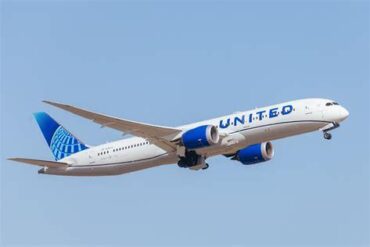
International premium travel provides a clear indication of how quickly the market has developed. Premium international passenger traffic increased by 11.8% in 2024 to more than 116.9 million passengers, substantially outpacing the growth recorded in economy class. Airlines have responded by increasing the amount of premium seating available across their fleets. United Airlines, for example, carried a record 27.4 million premium seats in 2025, equivalent to about 12% of all seats it operated.
The Rise Of Leisure Travelers In Business Class
The strongest evidence of the transformation comes from the passengers themselves. Business cabins are no longer populated primarily by people traveling for work. Leisure travelers are increasingly willing to spend more for a comfortable overnight flight, particularly on long-haul journeys where a lie-flat bed can make a meaningful difference to the entire trip.
Qantas has reported particularly striking figures on flights from London. Darsh Chapman, the airline’s regional general manager for the UK, Europe, and Africa, has said that approximately 70% of business-class customers on flights from London are leisure travelers. In premium economy, the proportion reportedly rises to around 80%. Those figures illustrate how far premium cabins have moved beyond their traditional corporate customer base.
United has also reported that the proportion of leisure travelers in first and business class has doubled since 2019. Delta Air Lines has observed another important change: more passengers are purchasing premium seats outright rather than reaching them through complimentary or discounted upgrades. Delta has said that approximately 75% of its first-class seats are now occupied by full-paying customers, compared with only 12% in 2009.
That transformation changes the economics of premium cabins. Airlines no longer need to depend entirely on companies approving expensive tickets for employees. A couple celebrating an anniversary, a family beginning a major vacation, or an individual wanting to sleep properly on a long overnight flight can become a valuable premium customer.
Airlines Are Building More Premium Seats
The growing willingness of leisure passengers to pay for premium products is influencing fleet and cabin decisions across the industry. Airlines are investing heavily in business class because the additional seats can generate substantial revenue without requiring the entire aircraft to become more luxurious.
United’s premium expansion is one example. The airline’s record premium-seat volume coincides with significant revenue growth, with premium revenue increasing by 9% in the fourth quarter and 11% for the full year in the period cited by the reference material. American Airlines has followed a similar strategy, increasing its premium seating capacity by 16% since 2019 while its economy seating has increased by only 5%.
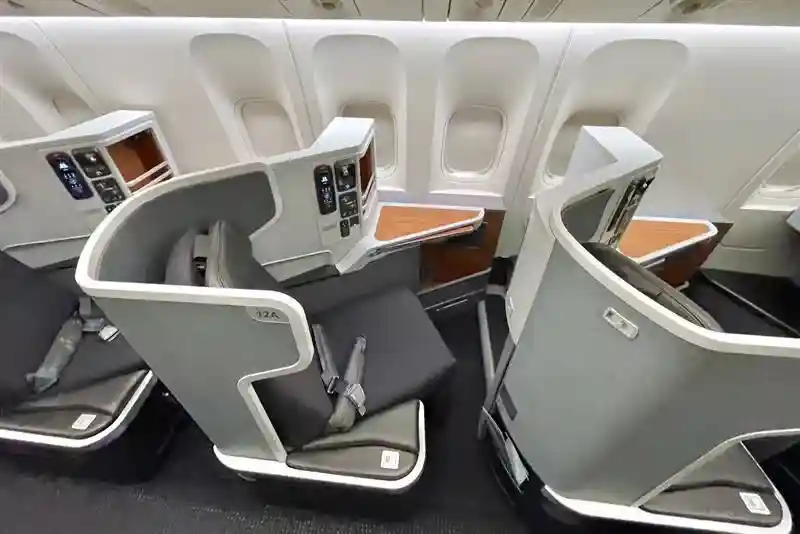
This creates an interesting feedback loop. More passengers want premium seats, so airlines add more premium seats. Once airlines have invested in those cabins, they have an even stronger incentive to market them to travelers who might previously have considered business class financially out of reach.
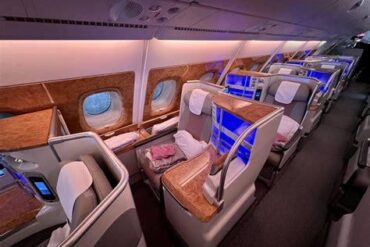
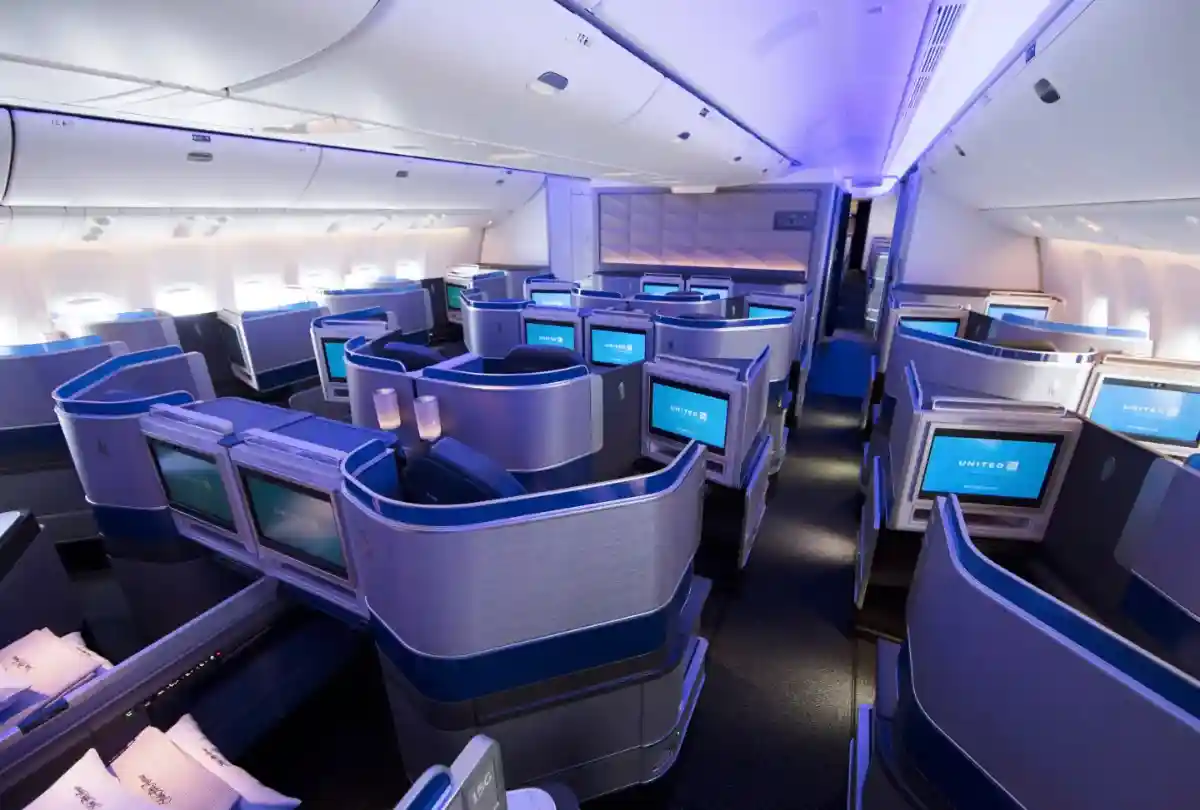
The product itself is also becoming more elaborate. Modern business-class passengers may encounter private suites with doors, large entertainment screens, multiple storage compartments, wireless charging, sophisticated lighting controls, and electronically adjustable beds. Some airlines have introduced elaborate dining systems and dine-on-demand services, while others have invested heavily in premium lounges.
For an experienced business traveler, these features can become second nature. For someone flying business class for the first time, however, the cabin can feel surprisingly complicated.
Loyalty Programs Have Opened The Door To Premium Cabins
Airline loyalty programs have played another important role in bringing new passengers into business class. A traveler does not necessarily need to save enough cash to purchase a premium ticket outright. Miles, points, credit-card rewards, and elite-status benefits can create alternative routes into the premium cabin.
Programs such as Delta SkyMiles, United MileagePlus, and American AAdvantage have helped turn airline loyalty into a major part of the modern travel experience. Miles can be earned through flights, credit-card spending, and partnerships, then redeemed for premium tickets or used toward upgrades.
For travelers who rarely purchase business class, a redemption can make the experience psychologically easier to justify. Instead of seeing a large cash fare on a booking screen, the passenger is spending accumulated points that may have been earned over months or years.
United MileagePlus illustrates how loyalty benefits extend beyond the seat itself. Depending on status, members can receive benefits such as free checked bags, priority boarding, increased mileage earning, and access to advantages connected with the broader Star Alliance network. Once a traveler experiences these benefits, premium travel can become less intimidating and more familiar.
Cabin Crew Are Seeing The Difference
The changing passenger mix is also affecting the work performed by cabin crew. Serving a business-class cabin has always required attention to detail, but a larger population of first-time premium passengers introduces a different set of challenges.
Experienced business travelers generally know how the cabin operates. They understand where to store their belongings, when meals are served, how seat controls work, what can be requested, and how much interaction they want with the crew. Many simply settle into their seats, eat when convenient, and sleep.
First-time passengers can have a completely different experience. They may not know whether they can request food at a particular time, how the dine-on-demand system works, where complimentary items are located, or how to transform the seat into a bed. Even apparently simple features can cause confusion when the passenger has never encountered them before.
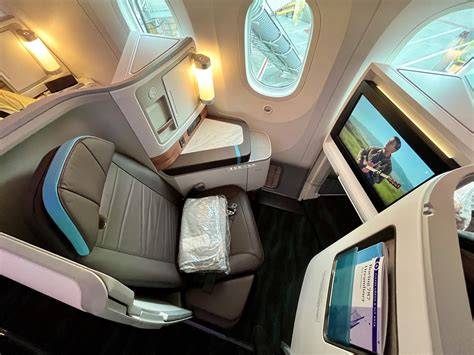
Consequently, cabin crew increasingly function as product guides and brand ambassadors, rather than simply delivering meals and drinks. A crew member may need to explain the seat, demonstrate controls, answer questions about dining, and help passengers understand the benefits included with their ticket.
That interaction matters commercially. A first business-class experience that feels confusing or uncomfortable may discourage a passenger from paying for the product again. A smooth experience can have the opposite effect, potentially turning an occasional premium customer into a repeat traveler.
How Cabin Crew Recognize First-Time Business Travelers
There are several familiar signs that can reveal when someone is new to premium travel. One of the most visible is clothing. Some first-time passengers arrive dressed formally because they believe business class requires a particular appearance. A suit and polished shoes may seem appropriate for an executive cabin, but experienced premium travelers often prioritize comfort, especially on flights lasting eight, ten, or twelve hours.
The irony is that seasoned travelers frequently look less formal precisely because they know what the journey demands. Comfortable clothing makes it easier to sleep, move around the cabin, and settle into a lie-flat seat.
Technology is another giveaway. Modern premium seats can contain an extraordinary number of controls. Passengers may need to use a touchscreen to adjust the seat, locate storage compartments, operate a reading light, control privacy features, or convert the seat into a bed. A traveler experiencing these systems for the first time may spend several minutes simply trying to understand how everything works.
The excitement of the experience can also influence behavior. A first-time business-class passenger may want to sample every meal option, order additional drinks, photograph the food, and document the seat for social media. Frequent travelers tend to approach the cabin differently. They may skip a meal, decline a drink, or turn down the lights immediately because their primary objective is to sleep and arrive rested.
Social Media Has Changed The Premium Experience
The rise of social media has added another dimension to first-time premium travel. Business class has become highly visible online, with passengers sharing photographs of suites, amenity kits, meals, champagne glasses, lounges, and lie-flat beds.
For a traveler who has saved for months to experience a premium cabin, documenting the journey can be part of the enjoyment. The aircraft becomes part of the vacation itself rather than merely transportation to the destination.
Frequent corporate travelers generally have less incentive to photograph every detail. For them, the cabin is often an extension of their working routine. A private suite and a flat bed may be valuable precisely because they can disconnect, sleep, or work without interruption.
This difference creates a subtle change in cabin culture. Airlines need to make premium cabins exciting enough to attract leisure travelers while preserving the quiet, private environment valued by experienced customers.
What First-Time Business Class Passengers Should Expect
Anyone booking business class for the first time should remember that comfort is the main product, not the obligation to consume everything available. The best use of a premium cabin may be sleeping for seven hours rather than ordering three rounds of drinks and sampling every meal.
It is also worth exploring the seat before departure. Understanding the controls, storage areas, tray table, entertainment system, and bed mechanism early in the flight can prevent frustration later when the cabin is dark and it is time to sleep.
Passengers should also feel comfortable asking the cabin crew for help. Crew members regularly deal with travelers who are unfamiliar with the product. Asking how the seat works or when dining service is available is entirely normal.
The same applies to lounges and loyalty benefits. A premium ticket can include access to airport facilities, priority services, baggage allowances, and other benefits that are easy to overlook. Understanding what is included can make the overall experience considerably more valuable.
Singapore Airlines, Delta And Emirates Show How Premium Travel Is Evolving
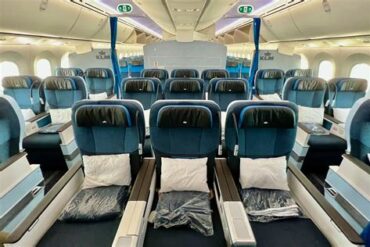
Airlines are responding to the new customer base by creating increasingly distinctive business-class experiences. Singapore Airlines, for example, operates long-haul business-class cabins with a 1-2-1 configuration on selected Boeing 777 services, giving passengers direct aisle access and seats that convert into fully flat beds. Its business-class design includes different seating positions intended to provide flexibility between lounging and sleeping.
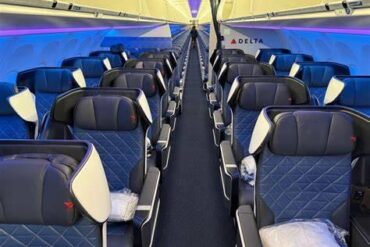
Delta Air Lines has similarly emphasized privacy and comfort. Its premium suites on selected aircraft offer direct aisle access and, in some configurations, full-height doors. Passengers can also receive bedding designed for long-haul sleeping, while travelers departing from eligible airports may use the carrier’s Sky Club lounge network.
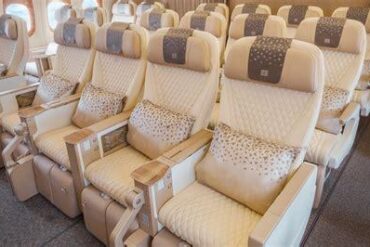
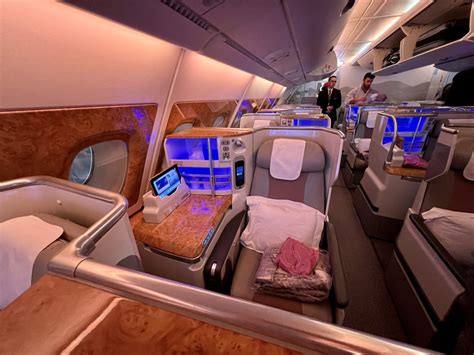
Emirates has built another distinctive premium identity around its wide-body fleet, lounges, onboard service, and highly recognizable cabin products. These airlines demonstrate why the modern business-class market is no longer simply about giving corporate travelers a larger seat.
The Business Class Passenger Is Changing With The Cabin
The most important development may be that business class is becoming a mainstream premium leisure product rather than a specialized corporate tool. The growth of leisure demand is helping offset weaker corporate willingness to pay premium fares while giving airlines a reason to expand and improve their high-value cabins.
For cabin crew, however, that growth means serving a more diverse group of passengers. Some travelers will know every feature before they sit down. Others will stare at a complicated seat console wondering which button turns the chair into a bed.
That is not necessarily a problem. It is evidence that premium aviation is reaching people who previously viewed business class as something reserved for executives and frequent flyers. As airlines continue expanding their premium cabins and loyalty programs make them more accessible, the front of the aircraft is becoming a destination in its own right.
The result is a business-class cabin that looks increasingly different from the one airlines operated a decade ago. Corporate travelers remain important, but they no longer define the entire premium market. Leisure passengers are now helping shape the seats, services, loyalty benefits, and expectations that cabin crew encounter every day. For airlines, that means learning how to turn curiosity into repeat business. For passengers, it means business class is no longer an exclusive club reserved for people who fly for work every week.