California’s aviation story is not just about innovation—it is about endurance. Long before modern terminals, biometric boarding, and global airline alliances, the state’s earliest airfields were little more than open land, wind direction flags, and bold ambition. Yet from those humble beginnings emerged some of the most resilient transportation hubs in the world. These airports did not simply survive; they adapted, expanded, and redefined their purpose across more than a century of aviation evolution.
From coastal landing strips to global gateways, the five oldest airports still operating in California in 2026 represent a rare continuity in infrastructure. Each carries a distinct identity shaped by geography, war, technology, and economic transformation. Together, they form a living archive of aviation history—one still very much in motion.
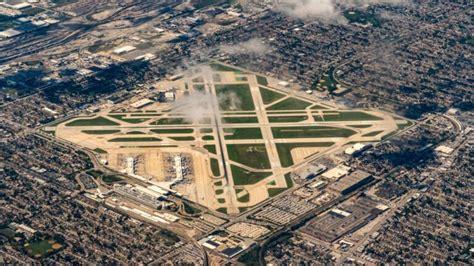
Los Angeles International Airport: From Dusty Airstrip to Pacific Gateway
The story of Los Angeles International Airport begins in 1928 with a name that now feels almost mythical—Mines Field. Back then, it was little more than agricultural land repurposed into a modest airstrip, surrounded by open fields rather than highways and terminals. The decision by the City of Los Angeles to invest in the site reflected foresight rather than immediate necessity. Aviation was still experimental, but the city was betting on a future that would soon arrive with remarkable force.
By 1930, the transformation into Los Angeles Municipal Airport marked its official entry into structured aviation. Still, progress was gradual. Early infrastructure consisted of dirt runways and minimal facilities, and commercial demand remained limited. What changed everything was not just time, but geography and industry. Southern California rapidly became a hub for aircraft manufacturing, and the airport’s proximity to this ecosystem fueled its expansion.
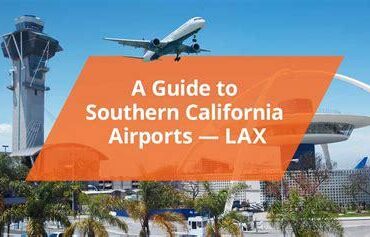
World War II acted as an accelerant. Military operations required longer runways, better navigation systems, and more efficient logistics. These upgrades laid the groundwork for postwar commercial aviation, which exploded in scale during the 1950s and 1960s. The defining moment came in 1961 with the unveiling of LAX’s revolutionary terminal layout—an architectural and operational model that would influence airports worldwide.
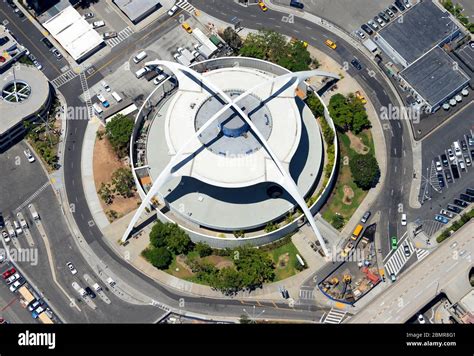
The iconic Theme Building, with its futuristic arches, became a symbol of the Jet Age’s optimism. It wasn’t just an airport anymore—it was a statement about the future of travel. Today, LAX stands as one of the busiest airports on Earth, a critical bridge between North America and Asia-Pacific markets. Yet beneath its modern façade lies the DNA of a 1920s airfield that dared to think ahead.
San Francisco International Airport: Engineering a Transpacific Powerhouse
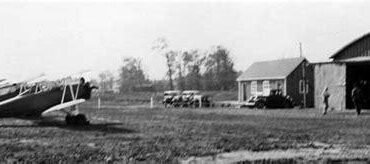
Opened in 1927 as Mills Field, San Francisco International Airport began with a single dirt runway on leased land. It’s almost difficult to reconcile that image with today’s sprawling, high-tech complex that handles millions of passengers annually. But that contrast is precisely what makes SFO remarkable—it embodies aviation’s most dramatic transformation arcs.
In its early years, Mills Field was a functional outpost, supporting regional flights and airmail routes. Aviation was still earning public trust, and airports like this played a crucial role in proving reliability. The turning point, once again, came during World War II. Military utilization drove infrastructure upgrades that would later benefit civilian operations.
By 1955, the airport had outgrown its original identity and was officially renamed San Francisco International Airport. This was more than a rebranding—it was a declaration of global ambition. The arrival of jet aircraft demanded longer runways, more sophisticated terminals, and enhanced operational systems. SFO delivered on all fronts.
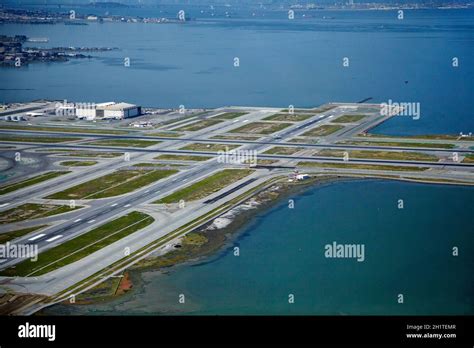
What sets SFO apart is its strategic position on the Pacific Rim. It became a primary gateway for transpacific travel, connecting North America with Asia in an era when such routes were redefining global mobility. Over the decades, continuous upgrades ensured that the airport remained competitive, even as passenger expectations evolved.
Today, SFO is not just busy—it is efficient, modern, and deeply integrated into international travel networks. Its origins as a modest airfield serve as a reminder that even the most advanced infrastructure begins with a single runway and a vision.
Oakland International Airport: Where Aviation Legends Took Flight
Also established in 1927, Oakland International Airport quickly distinguished itself as more than just another airfield. Its location along the San Francisco Bay gave it strategic importance, but it was the events and personalities associated with it that cemented its place in aviation history.
One of its earliest claims to fame was serving as the departure point for the Dole Air Race, a daring and controversial competition that highlighted both the promise and peril of long-distance aviation. This wasn’t just an event—it was a spectacle that captured the imagination of a nation still learning to trust flight.
Oakland’s role expanded throughout the late 1920s and 1930s as it became a key terminus for transcontinental routes. Airlines relied on it as a gateway to the Pacific, reinforcing its strategic value. But perhaps its most enduring legacy comes from its association with aviation pioneer Amelia Earhart, who departed from Oakland on multiple historic flights, including the start of her final journey in 1937.
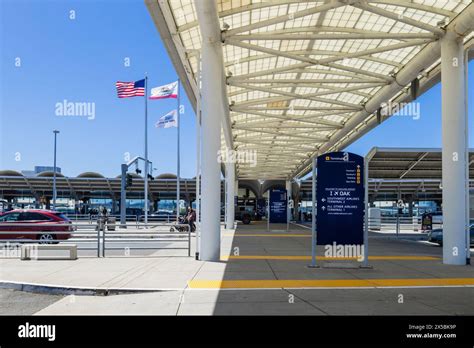
World War II transformed the airport into a military logistics powerhouse. Aircraft and personnel moved through Oakland en route to the Pacific theater, necessitating rapid expansion of facilities. When the war ended, the airport seamlessly transitioned back to civilian use—a testament to its adaptability.
Despite its proximity to the larger SFO, Oakland carved out a distinct role, particularly in domestic travel and cargo operations. It remains a vital part of the Bay Area’s aviation ecosystem, proving that size isn’t the only measure of significance. History, in this case, carries equal weight.
Santa Monica Airport: The Relentless Pulse of General Aviation
Opened in 1923, Santa Monica Airport stands as one of the earliest purpose-built airports in the United States. Unlike many of its contemporaries, which evolved from informal landing grounds, Santa Monica was designed from the outset as a dedicated aviation facility. That distinction matters—it reflects a level of intentionality that was rare at the time.
From its earliest days, the airport played a pivotal role in Southern California’s aerospace development. It wasn’t just a place for planes to land; it was a hub of innovation, supporting both flight operations and aircraft manufacturing. This dual function helped establish the region as a global center for aviation and aerospace.
What truly defines Santa Monica Airport, however, is its specialization. While larger airports expanded into commercial giants, SMO focused on general aviation. At one point, it was considered the busiest single-runway airport in the world—a statistic that speaks volumes about its efficiency and importance.
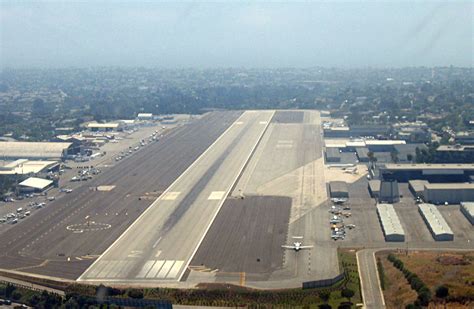
Its proximity to Los Angeles made it indispensable for private pilots, flight schools, and corporate aviation. Even as LAX grew into a global hub, Santa Monica retained its niche, proving that not all airports need to scale up to remain relevant.
As of 2026, the airport continues to operate, though its future remains uncertain due to planned closure initiatives. This looming transition adds a layer of urgency to its story. Santa Monica Airport is not just old—it is a living relic of aviation’s formative years, still pulsing with activity even as its final chapter approaches.
Long Beach Airport: Where California Aviation Truly Began
If history were measured purely by official opening dates, Long Beach Airport would already rank among the oldest. But its true significance lies in something deeper—the continuity of aviation activity dating back to the 1910s. Long before formal runways and terminals, pilots were using beaches and open land in the area as makeshift landing zones.
This informal beginning captures the essence of early aviation: experimental, daring, and unconstrained by infrastructure. By 1923, the City of Long Beach recognized the need for a structured facility and acquired land for a municipal airport, which officially opened in 1924. This marked the transition from improvisation to organization.
The airport quickly became a hub for flight training, airmail services, and aerospace development. Its ample space and favorable conditions made it ideal for expansion, and over the decades, it evolved into a fully equipped aviation facility complete with runways, hangars, and a control tower.
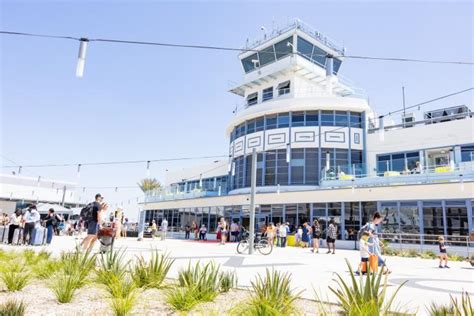
One of its most distinctive features is its historic terminal building, designed in the Streamline Moderne style—a visual reminder of mid-20th-century optimism and design innovation. Unlike many airports that have erased their architectural past, Long Beach has preserved this element, giving it a unique identity.
Today, the airport serves both commercial and general aviation, operating under strict noise regulations that shape its schedule and capacity. These constraints, rather than limiting its relevance, have helped maintain a balance between functionality and community integration.
What sets Long Beach apart is not just its age, but its continuity. From sandy landing strips in the 1910s to a fully operational airport in 2026, it represents the longest unbroken thread in California’s aviation tapestry.
Enduring Infrastructure in an Industry Defined by Change
Airports are often seen as transient spaces—places people pass through on their way to somewhere else. Yet these five airports challenge that perception. They are ثابت anchors in an industry defined by constant motion, technological disruption, and shifting economic forces.
Each airport adapted in its own way. LAX and SFO expanded into global giants, reshaping international travel. Oakland balanced historical significance with modern utility. Santa Monica embraced specialization, while Long Beach preserved continuity across more than a century.
What unites them is resilience. These airports have weathered wars, economic downturns, technological revolutions, and changing public expectations. They have evolved without losing their core identity—a rare achievement in infrastructure of any kind.
California’s oldest airports are not just operational—they are relevant. They continue to serve millions of passengers, support industries, and connect communities. And perhaps most impressively, they do so while carrying the weight of history without being defined by it.
In 2026, as aviation looks toward automation, sustainability, and even space travel, these airports remain grounded—literally and figuratively—in the origins of flight. Their stories are not finished. They are still being written, one landing at a time.