Passengers at Phoenix Sky Harbor International Airport were left stunned as a bloody scene unfolded in Terminal 4—not due to violence or injury, but from a shocking mishap involving a cooler full of raw deer meat. The incident, as bizarre as it was unsanitary, quickly turned into a viral moment and raised serious questions about airport baggage handling protocols and TSA oversight.
A Grisly Surprise on the Baggage Carousel
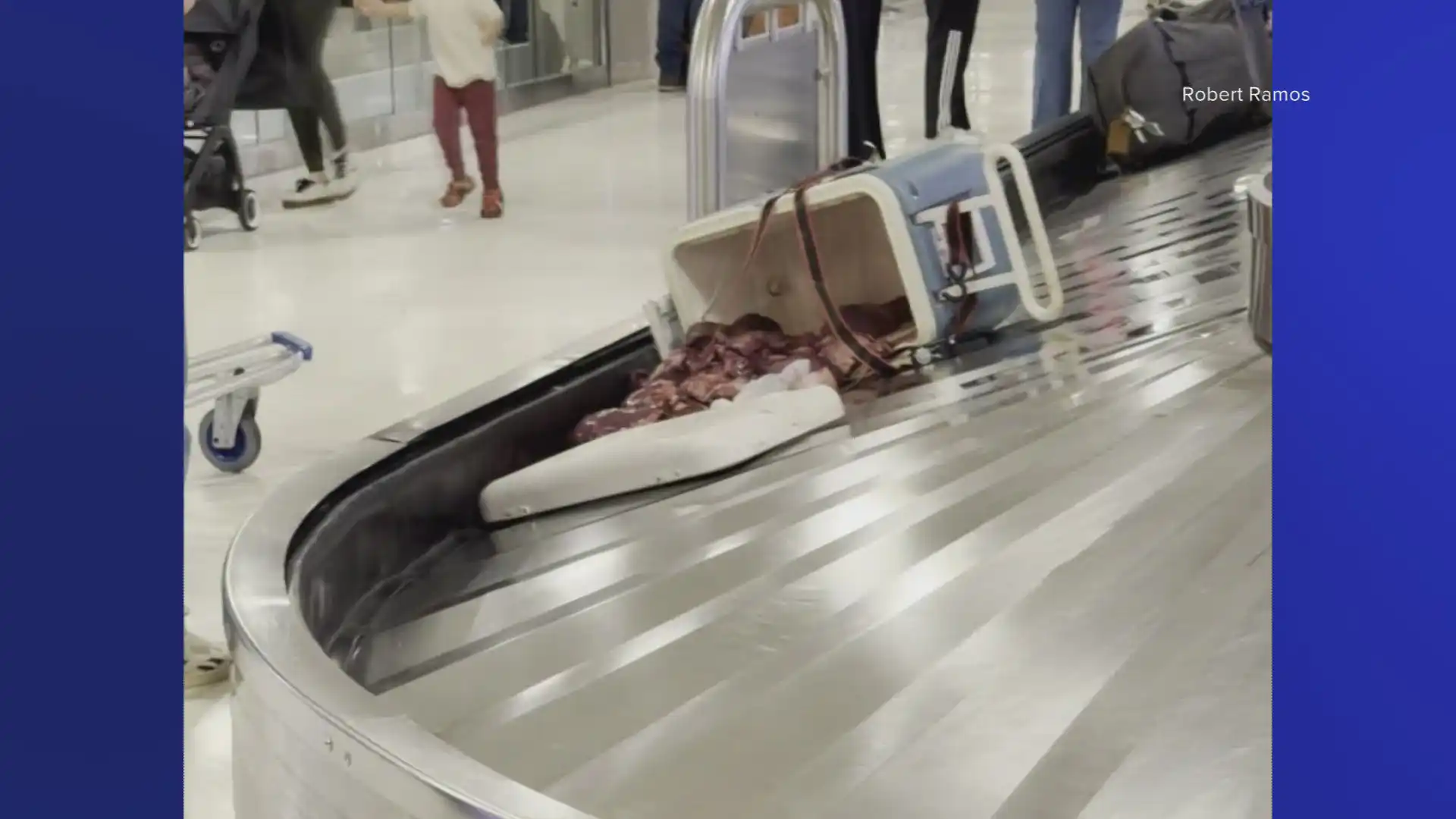
As weary travelers waited for their luggage, a red-smeared cooler rolled onto the conveyor belt. Its lid, dislodged during the flight, had given way to an outpour of raw meat, blood, and melting ice. Witnesses recounted how chunks of uncooked venison began slipping out of the container, smearing the carousel with blood and raising immediate concerns about hygiene and contamination.
The spectacle was both alarming and confusing. Robert Ramos, a passenger present during the incident, described the scene as “shocking” and was disturbed that additional luggage continued to arrive despite the biohazardous spill. “It’s shocking to see meat and blood spilled all over the luggage carousel,” he said, “especially because there’s other luggage on the carousel, and they were still pushing luggage out.”
A Public Health Risk Promptly Addressed
Airport maintenance workers quickly shut down the baggage carousel and initiated an emergency cleaning. Given the rapid spread of pathogenic bacteria in raw meat and animal blood, the spill posed a legitimate public health risk. Thousands of pieces of luggage pass through the terminal daily, making any contamination highly consequential.
The response from Sky Harbor officials was swift. Still, the event exposed potential oversights in how unusual luggage contents—like large quantities of meat—are handled by both travelers and airport personnel.
Who Is Responsible for the Mess?
As the story unraveled, the critical question became: Who was responsible for securing the cooler? Initial reports suggest that the container was equipped with multiple straps intended to hold the lid in place, but they were either not fastened correctly or were undone during a baggage inspection.
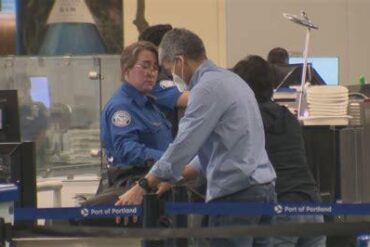
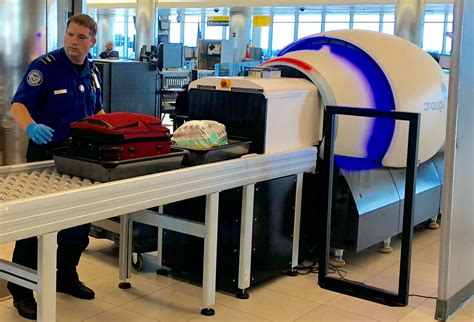
One potential culprit is the TSA, which routinely opens and inspects coolers containing raw meat to ensure the contents are properly packed with ice or dry ice. If agents failed to refasten the cooler securely post-inspection, liability could shift away from the traveler. However, in the absence of confirmation, speculation continues.
If the traveler can prove the straps were fastened when they checked in the cooler, they may be eligible for compensation. But the burden of proof in such cases is often difficult to meet.
TSA Guidelines for Transporting Raw Meat
The Transportation Security Administration permits raw meat to be transported via both carry-on and checked luggage, under strict conditions. These include:
- Meat must be kept at safe temperatures using fully frozen gel packs or dry ice.
- Dry ice is permitted up to five pounds, and must be clearly labeled and properly ventilated.
- Containers should be durable and sealed, ideally with lockable lids.
Notably, there is no requirement to declare raw meat on domestic flights. This legal allowance often surprises travelers, especially when faced with the gruesome reality of what can happen when things go wrong.
A Repeat of a Fowl Incident?
This isn’t the first time meat has made a messy entrance on a baggage carousel. In 2021, passengers at Seattle-Tacoma International Airport witnessed a similar event when a container full of raw chicken spilled open mid-transit. The TSA cheekily referred to the incident as the chicken having gone “free-range.”
While humorous in hindsight, both events highlight the growing need for oversight when transporting perishable goods through public travel systems. These aren’t isolated anomalies—they are symptoms of lax packaging enforcement and oversight failures.
Airport Sanitation and Traveler Safety
Incidents like these bring to light the fragility of airport sanitation systems. In a closed environment where thousands of travelers converge daily, even a single biohazard can compromise safety. The presence of raw meat on shared conveyor belts introduces the potential for:
- Cross-contamination of luggage and personal items
- The spread of bacteria such as E. coli and Salmonella
- Contamination of airport infrastructure, from the carousel belts to surrounding floors
Sky Harbor’s swift response likely prevented any major health consequences, but the fact that luggage continued arriving while the meat was still leaking raises concerns about standard operational protocols.
The Legal and Ethical Grey Zone
While no charges have been filed, this event enters murky legal territory. Airlines are typically not responsible for the contents of passenger luggage, especially if the container met check-in standards. However, if TSA negligence is proven, the agency could face both liability and reputational backlash.
Moreover, the ethical question remains: Should passengers be allowed to transport raw animal products without secure, sealed, and certified containers? Given the risk to fellow travelers, there is a case to be made for revisiting these guidelines.
Public Reaction and Social Media Frenzy
Unsurprisingly, video footage and photographs of the meat spill spread rapidly across social media platforms, with users expressing a mix of horror and disbelief. Hashtags like #MeatGatePHX and #VenisonSpill began trending locally. While some users criticized the airport’s lack of proactive containment, others pointed fingers at the mysterious meat-packer whose container failed so catastrophically.
The incident has since sparked a lively debate around airline cargo regulations, public health standards, and the extent of a passenger’s right to carry such volatile goods.
Moving Forward: Lessons for TSA and Travelers Alike
As air travel continues to evolve and more people carry perishable items across borders and states, the need for enhanced screening and packaging enforcement becomes evident. A few practical takeaways emerge from this incident:
- Travelers should use industrial-grade, lockable coolers with tamper-proof features when transporting raw meat.
- TSA agents must be trained to re-secure packaging after inspection or provide clear instructions to travelers if they decline to do so.
- Airlines and airports should consider designated handling areas for high-risk cargo to prevent exposure to general baggage claims.
While it’s easy to laugh at the absurdity of raw venison painting a baggage carousel red, the implications are serious. From biohazard management to policy reform, Phoenix Sky Harbor’s incident is a wake-up call not just for TSA, but for the entire airline industry.
Conclusion: A Bloody Reminder in Terminal 4
What began as a routine flight ended in an unforgettable mess, reminding everyone that airport security is only as strong as its weakest lid. The Phoenix meat spill wasn’t just a gross accident—it was a red-flag event exposing deeper flaws in how perishables are handled in commercial aviation. As travelers demand answers and authorities quietly investigate, one thing is clear: something has to change before the next carousel disaster unfolds.