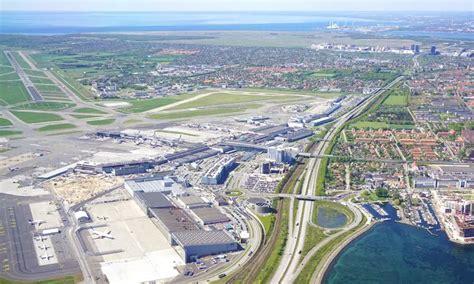
Copenhagen Airport, Kastrup (IATA: CPH, ICAO: EKCH) stands as the main international gateway to Denmark and a crucial hub for the Øresund Region, encompassing southern Sweden and the capital city of Copenhagen. Positioned on the island of Amager, just 8 kilometers south of central Copenhagen and 24 kilometers from Malmö, this airport commands strategic importance in Northern Europe.
Since its inauguration on 20 April 1925, the airport has evolved into the largest airport in the Nordic countries and Scandinavia’s busiest for international travel, offering a seamless blend of modern infrastructure, historical significance, and global connectivity.
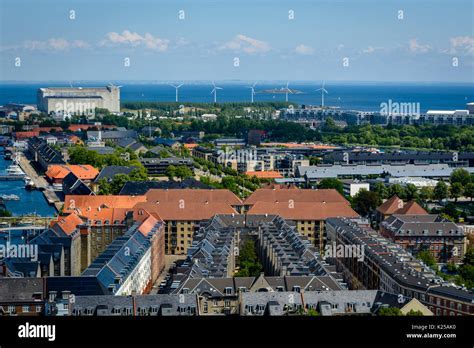
Historical Significance and Architectural Evolution
The rich history of Copenhagen Airport traces back to the early days of civil aviation. Initially composed of a wooden terminal, balloon mast, hydroplane landing stage, and sheep-grazed grassy runways, its humble beginnings quickly transformed into a beacon of European aviation.
Between 1936 and 1939, the airport introduced a landmark terminal designed by Vilhelm Lauritzen, a pioneer of Nordic functionalism. Despite temporary limitations during World War II, where civil operations were minimal, Copenhagen Airport remained untouched by warfare, allowing it to emerge in 1945 as Europe’s most modern international airport.
Key milestones include:
- 1947: Establishment of Scandinavian Airlines (SAS), with Copenhagen as its primary hub.
- 1954: Launch of the world’s first trans-polar flight to Los Angeles, placing Copenhagen on the global aviation map.
- 1960s–70s: Expansion of terminals and runways to accommodate surging passenger traffic.
- 1980s–2000s: A period marked by architectural enhancements focused on passenger comfort, operational efficiency, and integration with ground transport.

Facilities and Passenger Experience
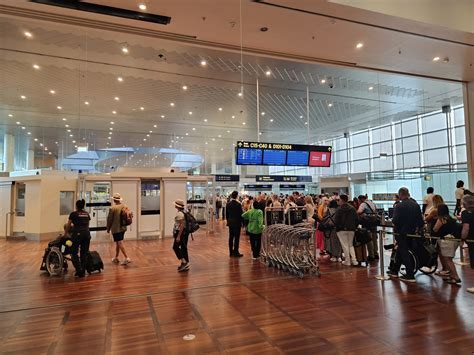
Today, Copenhagen Airport is a model of functionality and design. It features two main terminals (T2 and T3) for check-in, sharing a common airside passenger concourse with six piers: A, B, C, D, E, and F. The terminals are organized to streamline operations:
- Pier A, B, and D handle Schengen flights.
- Pier C and E serve non-Schengen and long-haul operations.
- Pier F, also known as CPH Go, is tailored for low-cost carriers like Ryanair, easyJet, and Transavia.
Pier E, completed in 2019, became the primary terminal for most SAS long-haul flights. While discussions around a Terminal 4 have surfaced, the airport has opted for incremental expansions to meet growing demand.
Passenger services include abundant shopping and dining options, lounges, and a Hilton hotel (opened in 2001 with 382 rooms). In addition, the terminal features a modern baggage handling system, customs and security checkpoints, and family-friendly amenities.
Airside Operations and Technical Infrastructure
The airport operates three runways:
- 04L/22R – 3,600 meters (asphalt)
- 04R/22L – 3,300 meters (asphalt), widened to accommodate the Airbus A380
- 12/30 – 2,800 meters (asphalt/concrete)
The parallel runway layout ensures efficient arrivals and departures above the Øresund strait, minimizing noise over residential zones. Notably, Runway 22L is equipped with ILS Category III C, enabling landings in zero visibility conditions, an essential feature for operational continuity in adverse weather.
With 83 operations per hour capacity, 108 jet bridges and stands, and a workforce of over 17,000, Copenhagen Airport exemplifies large-scale efficiency without compromising traveler comfort.
Global Connectivity: Airlines and Destinations
Copenhagen Airport is served by approximately 60 scheduled airlines, providing extensive coverage across Europe, North America, Asia, Africa, and the Middle East. Notable carriers include:
- Scandinavian Airlines (SAS) – Primary hub with routes to North America, Asia, and Europe
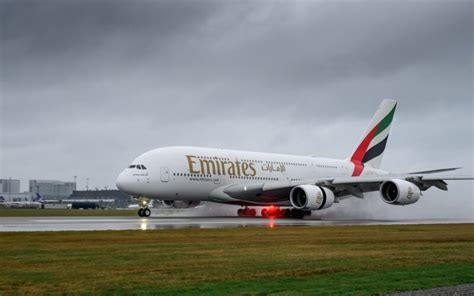
- Emirates – Daily A380 service to Dubai International
- Singapore Airlines – Direct connection to Singapore Changi
- Qatar Airways, Etihad Airways, Air India – Direct access to the Middle East and South Asia
- American Airlines, Delta, Air Canada – Seasonal transatlantic links
- Norwegian, Ryanair, easyJet – Major low-cost networks across Europe
The cargo sector is equally robust, with services from FedEx, DHL Aviation, Lufthansa Cargo, Emirates SkyCargo, and LATAM Cargo Brasil, reinforcing the airport’s role as a logistics hub.
Passenger Traffic and Growth Trends
From 18 million passengers in 2001 to nearly 30 million in 2024, Copenhagen Airport has witnessed steady growth, with occasional dips — most notably during the COVID-19 pandemic (2020 saw only 7.5 million travelers). However, the airport rebounded strongly, processing 29.9 million passengers in 2024.
In 2023, the busiest international routes included:
- London (Heathrow, Gatwick, Stansted) – 1.82 million passengers
- Oslo Gardermoen – 1.35 million
- Stockholm Arlanda – 1.19 million
- Amsterdam Schiphol – 1.12 million
Passenger composition in 2023:
- Domestic: 1.19 million
- Europe: 22.7 million
- Transatlantic: 2.87 million
Ground Transportation and Connectivity
Copenhagen Airport is exemplary in its multimodal transport integration:
- Train: A station located beneath Terminal 3 connects via the Øresund Railway Line to Copenhagen Central Station and cities across southern Sweden, such as Malmö, Gothenburg, Kalmar, and Kristianstad. Operators include DSB, Øresundståg, and SJ high-speed trains to Stockholm and Gothenburg.
- Metro: The M2 Copenhagen Metro line links the airport to the city centre in ~15 minutes, operating frequently with direct access to the City Circle Line at Kongens Nytorv.
- Road and Bus: Bus lines 5C, 35, 36, and express lines like 888 ensure efficient ground transport to both urban and rural Denmark. Long-distance buses also run to Sweden and Norway via operators such as Swebus and GoByBus. The adjacent E20 motorway provides direct vehicular access and toll road connection to Sweden via the Øresund Bridge.
- Airport Shuttles: Internal free shuttle buses connect parking zones and terminals every 15–20 minutes.
- Parking: Approximately 8,600 parking spaces support both short- and long-term stays.
Strategic Development and Future Prospects
While the idea of constructing an entirely new airport on Saltholm Island was debated in the 1970s, authorities instead opted to expand Copenhagen Airport’s existing infrastructure, a decision that has paid off with continued scalable development.
Plans to increase capacity to 40 million annual passengers remain a central goal, with efforts focusing on incremental upgrades rather than disruptive overhauls. This approach ensures Copenhagen Airport retains its reputation for efficiency, accessibility, and traveler experience.
Noteworthy infrastructure highlights include:
- Construction of Pier E for wide-body aircraft
- Jet bridge modification to accommodate A380s
- Underground rail and parking facilities
- Modern air traffic control tower (opened 2008)

Safety Record and Notable Incidents
While the airport maintains an exceptional safety reputation, a few incidents mark its history:
- 26 January 1947: A KLM DC-3 crash shortly after takeoff killed 22 people, including Sweden’s Crown Prince Gustav Adolf and opera singer Grace Moore. The cause was a forgotten elevator gust lock.
- 17 November 1957: A Vickers Viscount of BEA crashed due to anti-icing system failure, resulting in multiple fatalities.
- 28 August 1971: A Malév Il-18 crashed into the sea due to a microburst during instrument approach, killing 32 of 34 aboard.
- 6 July 2022: A British Airways A320 engine caught fire on landing; no injuries reported thanks to swift emergency response.
Conclusion
Copenhagen Airport is not merely an aviation hub — it is a symbol of Danish innovation, efficiency, and global connectivity. With nearly a century of operation behind it, the airport continues to evolve in alignment with modern demands while preserving its storied heritage. From seamless connections to architectural elegance and world-class passenger experience, Copenhagen Airport exemplifies how a transportation facility can shape and serve a region’s international identity.
As Northern Europe’s aviation crown jewel, CPH is not just a gateway — it’s a global standard.