Founded in 1929 by visionary aircraft engineer Marcel Bloch, Dassault Aviation has grown into a cornerstone of the global aerospace and defense industry. Known for its cutting-edge military aircraft, elite business jets, and robust space capabilities, the company has played a pivotal role in shaping modern aviation. Headquartered in Paris, Dassault Aviation operates under the Dassault Group and continues to expand its influence under the leadership of Éric Trappier, its Chairman and CEO since 2013. With €6.23 billion in revenue and a global workforce exceeding 14,600 employees (as of 2024), the company stands as a symbol of France’s engineering excellence.
The Origins of a Titan: From Marcel Bloch to Marcel Dassault
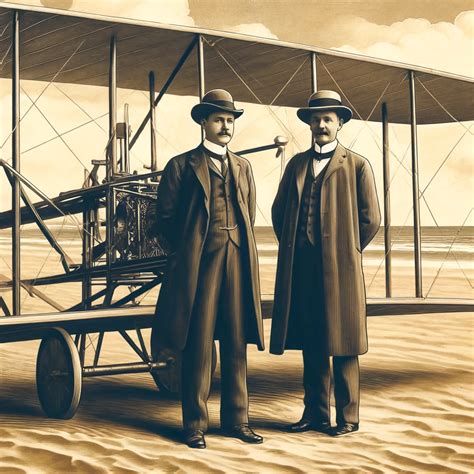
Marcel Bloch’s early ventures into aviation technology led to the founding of Société des Avions Marcel Bloch. After surviving the horrors of Buchenwald concentration camp during World War II, Bloch emerged stronger and adopted the surname “Dassault,” inspired by his brother’s Resistance codename. In 1947, the company was renamed Société des Avions Marcel Dassault, marking the rebirth of French aerospace ambition.
In the following decades, Dassault absorbed legacy manufacturers such as Breguet Aviation, forming Avions Marcel Dassault-Breguet Aviation (AMD-BA) in 1971. This consolidation created a unified front for producing advanced military and civilian aircraft, laying the groundwork for future triumphs.
Strategic Military Might: Dassault’s Defense Dominance
Dassault’s military aircraft have defined global air superiority. Starting with early jets like the MD 450 Ouragan and Mystère IV, the company truly broke ground with the Mirage family.
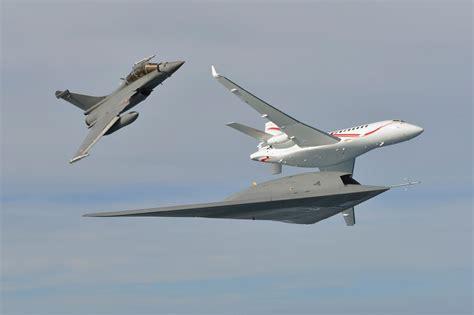
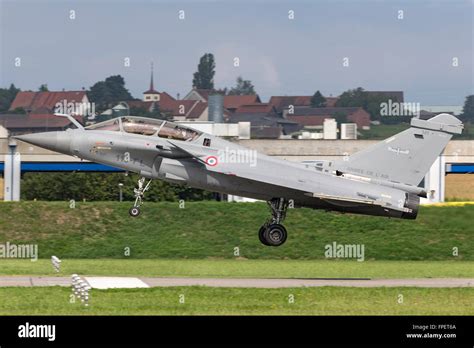
The Mirage III, first flown in 1956, became an export success, used by multiple air forces around the world. Its successor, the Mirage 2000, introduced in 1978, represented a leap in avionics, speed, and agility. Today, the flagship Rafale, ordered in 1988 and fully deployed by the French Air Force and Navy, integrates multirole capabilities—from air supremacy to ground attack.
The Rafale is a technological marvel, featuring active electronically scanned array (AESA) radar, stealth features, and compatibility with a wide array of munitions, including nuclear payloads.
Key Military Aircraft Highlights
- Mirage III / 2000 / 4000: Spearheaded French air defense across three decades.
- Rafale: Dominant in combat theatres, also selected by countries like India and Egypt.
- nEUROn UCAV: A collaborative stealth drone project demonstrating next-gen autonomous warfare.
Dassault’s forward-looking approach is embodied in the New Generation Fighter program, intended to replace the Rafale by the 2040s, under a European defense cooperation initiative.
Business Jets That Redefined Luxury and Performance
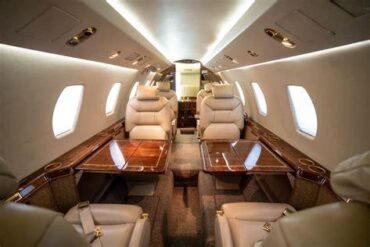
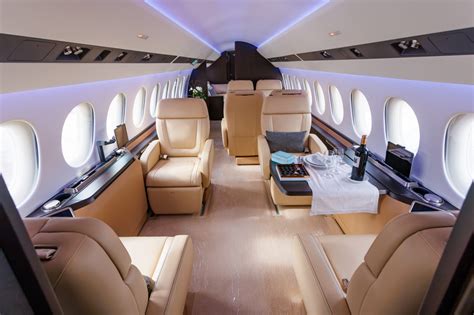
Parallel to its military pursuits, Dassault has cultivated a world-renowned line of Falcon business jets. These aircraft combine the efficiency of commercial aviation with the refinement of private travel, catering to heads of state, corporate leaders, and ultra-high-net-worth individuals.
From the compact Falcon 10 to the ultra-long-range Falcon 8X and the under-development Falcon 10X, Dassault has consistently led innovation in this segment. These jets boast unmatched range, fuel efficiency, and digital cockpit technologies derived from military applications.
Civilian and Space Endeavors
Dassault’s contributions are not limited to the battlefield or boardroom. The Dassault Mercure, launched in the 1970s, was France’s attempt to challenge the Boeing 737. While only 12 were produced, it demonstrated Dassault’s capacity to enter the commercial airliner market.
In space, the company supports missions through simulation technology, components manufacturing, and partnerships in European space exploration efforts. Its electronics arm, Electronique Marcel Dassault, established in the 1950s, still supports navigation, targeting, and communications systems critical to aerospace operations.
Global Manufacturing Footprint and International Strategy
Dassault’s production facilities are dispersed across strategic locations. The Mérignac plant, near Bordeaux, handles final assembly of military aircraft like the Rafale and civil jets like the Falcon. Facilities in St. Cloud, Argenteuil, and Biarritz contribute to various stages of design and construction.
The company’s global outreach is evident in the Dassault Reliance Aerospace Limited (DRAL) joint venture in Nagpur, India, which fabricates components for Rafales and Falcons alike. In Noida, the Dassault Aviation Maintenance Repair Overhaul India (DAMROI) facility will soon serve the IAF’s Rafale and Mirage 2000 fleet, affirming Dassault’s commitment to after-sales support.

A History of Strategic Acquisitions and Collaborations
Throughout its history, Dassault has grown via strategic mergers and partnerships. Key milestones include:
- Acquisition of Société Aérienne Bordelaise in 1935.
- Merger with Breguet Aviation in 1971.
- Creation of Dassault Systèmes in 1981, which developed CATIA, a world-leading CAD software used in global industries.
The company’s ties to the French government have also been instrumental. State involvement through entities like SOGEPA ensured stable investment and policy alignment, particularly during the volatile Cold War years.
Commercial Success and Financial Overview
Dassault Aviation’s financial health underscores its operational excellence. In 2024, the company posted revenues of €6.23 billion, with a net income of €1.05 billion and assets totaling €27.72 billion. This strong performance is buoyed by both military exports and corporate jet sales.
In a landmark deal in April 2024, Dassault secured a £3 billion weapons contract with Serbia—the largest in that country’s history—marking a new era of geopolitical influence through defense partnerships.
Innovation as DNA: Technology and the Future
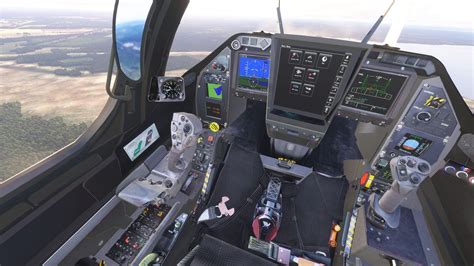
Technological leadership is a hallmark of Dassault’s legacy. Whether it’s radar-evading fighter jets, digitized cockpit environments, or software like CATIA that reshaped the aerospace design landscape, innovation is embedded at every level.
Current R&D is focused on autonomous flight systems, AI-enabled mission planning, and eco-friendly aviation, including hybrid-electric propulsion and sustainable fuel integration.
Leadership, Philosophy, and Legacy
Under the stewardship of leaders like Marcel Dassault, Serge Dassault, and now Éric Trappier, the company maintains a balance of tradition and transformation. Trappier’s leadership has steered Dassault into the digital age while upholding national defense priorities and commercial excellence.
The Dassault philosophy is rooted in a synthesis of engineering rigor, industrial independence, and international adaptability. As geopolitical tensions and technological revolutions redefine defense and aerospace, Dassault Aviation remains uniquely positioned to lead.
Conclusion: The Flight Continues
From its humble beginnings in interwar France to commanding global skies today, Dassault Aviation stands as a beacon of ingenuity and resilience. With robust foundations in military aviation, a dynamic business jet portfolio, and an eye fixed on the future of aerospace, the company continues to set benchmarks in an increasingly competitive and complex world.
As it approaches its centenary, Dassault Aviation is not just a historical institution but a living force in the evolution of global air power and aviation luxury.