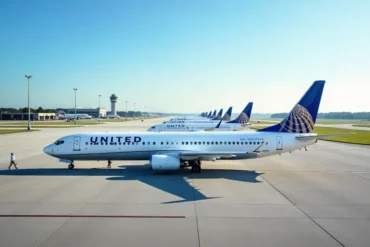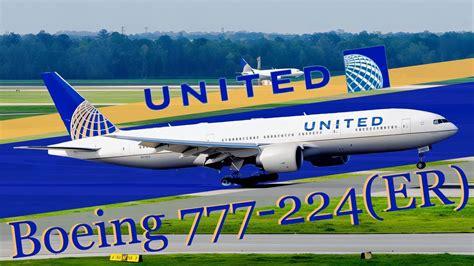
United Airlines, Inc. stands as a pillar of the global aviation industry, with nearly a century of history marked by bold innovation, expansive growth, and resilient reinvention. Based in Chicago’s iconic Willis Tower, United operates one of the largest and most diversified flight networks in the world, connecting passengers across six continents through a powerful web of domestic and international routes.
Founded in 1926 as Varney Air Lines, United has evolved from a pioneering airmail service into a global aviation behemoth. The airline’s trajectory has been anything but linear, reflecting a complex dance with industry cycles, regulatory shifts, technological revolutions, and the profound geopolitical challenges of the 21st century.
The Historical Foundation: From Varney to a Global Player
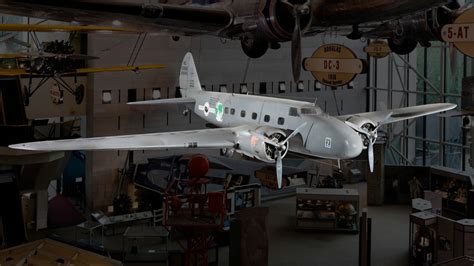
The roots of United Airlines are deeply intertwined with the very origins of American commercial aviation. After consolidating into United Aircraft and Transport Corporation in 1931, the airline distinguished itself early with technological milestones like the Boeing 247—one of the first all-metal, twin-engine commercial aircraft. This ushered in a new era of speed and safety that redefined passenger expectations.
Throughout the 20th century, United bolstered its position through strategic mergers, such as the 1961 integration of Capital Airlines, which significantly enhanced its domestic reach. But it was in the post-deregulation era, starting in the late 1970s, where the company truly began to sculpt its modern identity. By acquiring Pan Am’s Pacific routes in 1985 and later its Latin American routes in the early 1990s, United aggressively carved out its global footprint.
Restructuring Through Turbulence: Bankruptcy and the Continental Merger
No account of United’s rise can overlook its early 2000s crisis. The airline faced existential challenges following the 9/11 terrorist attacks, which devastated the U.S. aviation market. In 2002, United filed for Chapter 11 bankruptcy protection, navigating a grueling four-year restructuring process. Emerging in 2006 with a leaner cost structure and a focus on operational efficiency, the airline prepared for the next transformative phase.
That came in 2010, when United merged with Continental Airlines in a landmark $3 billion deal that reshaped the competitive landscape. This merger not only added Houston Intercontinental as a critical hub but also fused Continental’s global route network and brand strength with United’s scale and infrastructure.
A Global Network of Unmatched Breadth
As of 2024, United serves 365 destinations in more than 60 countries, offering unparalleled geographic coverage. Its eight main hubs—Chicago O’Hare, Denver, Guam, Houston Intercontinental, Los Angeles, Newark, San Francisco, and Washington Dulles—form the backbone of a deeply interconnected system designed for high-frequency, global connectivity.
Feeding these hubs is the extensive United Express regional operation, conducted via agreements with regional partners like SkyWest and Mesa Airlines. United Express alone accounts for roughly 6% of system-wide capacity, playing a critical role in serving smaller communities and increasing network resilience.
Star Alliance and Codeshare Dominance
United is a founding member of the Star Alliance, the world’s largest airline alliance. This strategic alignment allows seamless integration of schedules, frequent flyer benefits, and shared airport lounges with 25 global carriers including Lufthansa, ANA, Singapore Airlines, and Air Canada.
Beyond Star Alliance, United maintains robust codeshare agreements with airlines such as Emirates, Aegean, and Ethiopian Airlines, ensuring passengers gain access to an even broader global itinerary.
Fleet Strategy: Modernization and the “United Next” Vision
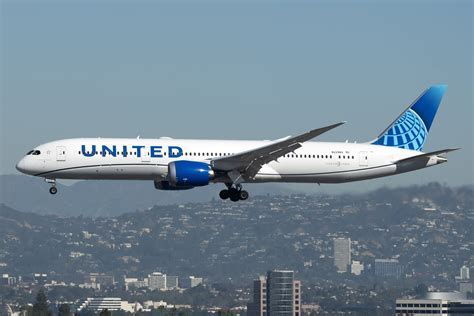
United’s fleet as of April 2025 comprises 1,026 aircraft, with an average age of 15.8 years. While some aircraft remain legacy holdovers, the airline is undergoing one of the most ambitious modernization initiatives in the industry.
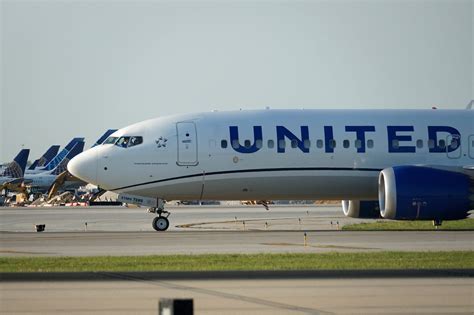
The “United Next” program, launched in 2021, involves the purchase of over 500 new narrow-body jets (including Boeing 737 MAX and Airbus A321neo) and more than 150 Boeing 787 Dreamliners. A key part of this strategy is enhancing onboard experience: retrofitting older cabins with United Signature Interiors, larger overhead bins, seatback entertainment, and fast internet via SpaceX Starlink.
Cabin Experience: Premium Options for Every Passenger Segment
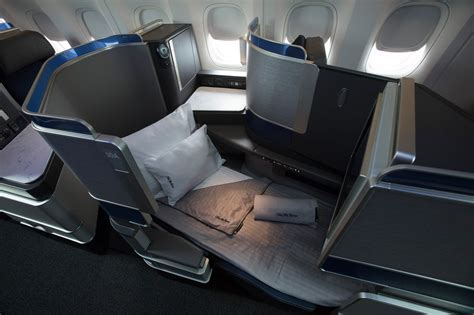
United offers a diverse cabin product lineup catering to every tier of traveler. Its flagship United Polaris Business Class, introduced in 2016, features 6-foot 6-inch lie-flat seats, direct aisle access, Saks Fifth Avenue bedding, and elevated dining. Select international routes also benefit from exclusive Polaris Lounges, offering fine dining and spa-like amenities.
For premium economy, United Premium Plus provides a wider seat with enhanced recline, footrests, and elevated meal service. United First and United Business class are deployed on domestic and short-haul international routes.
In the economy segment, passengers can choose between Economy, Economy Plus (extra legroom), and Basic Economy, the latter offering lower fares with more restrictive terms.
MileagePlus: A Leading Loyalty Program
United’s MileagePlus remains one of the most competitive frequent flyer programs in the world, boasting multiple elite tiers—Premier Silver, Gold, Platinum, and 1K, plus the invitation-only Global Services. The program rewards not only miles flown but also dollars spent, aligning more closely with revenue-based models seen across the industry.
MileagePlus miles are redeemable for flights, upgrades, hotel stays, and more. The program also supports lifetime status for frequent flyers who have demonstrated long-term loyalty.
Lounges and Ground Experience
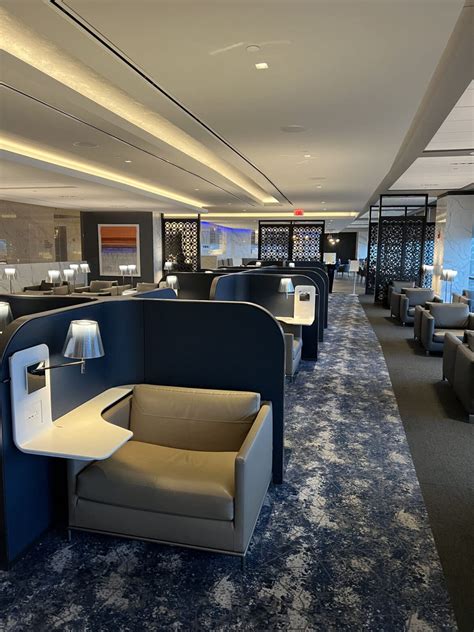
United’s lounge offerings are segmented by class and status. The standard United Club provides a comfortable, productive space for frequent flyers and club members, with snacks, drinks, and Wi-Fi. For international premium passengers, the Polaris Lounges represent the pinnacle of luxury, with fine dining, showers, and curated spaces for rest or work.
Corporate Structure and Financial Performance
United Airlines Holdings (UAL) is publicly traded with a market capitalization exceeding $35 billion as of Q2 2025. In the 2024 fiscal year, the company posted revenue of $57.1 billion and net income of $2.6 billion, marking one of its strongest performances since the pandemic.
The airline currently ranks No. 83 on the 2025 Fortune 500, underscoring its role not only in travel but in the broader U.S. economy. It employs tens of thousands of personnel across pilot bases, cabin crew, corporate, technical operations, and customer service functions.
Branding Evolution: From “Fly the Friendly Skies” to “Let’s Fly Together”
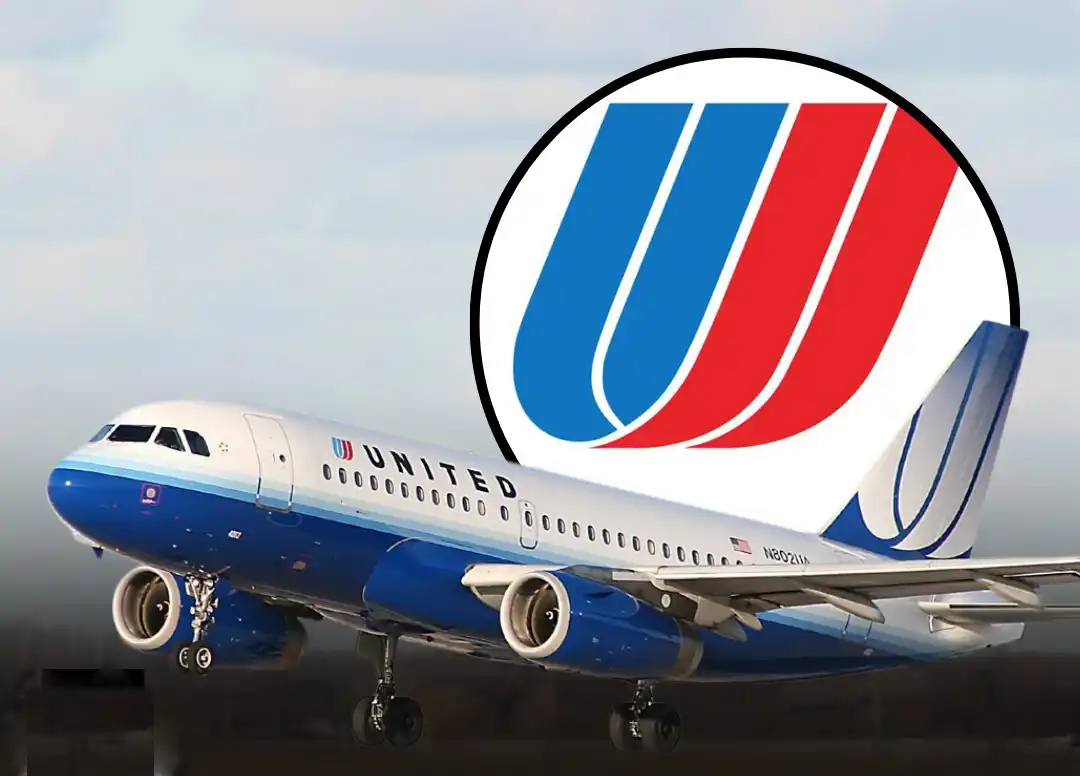
United’s visual and verbal branding has undergone a number of transformations. The iconic “tulip” logo designed by Saul Bass defined United’s identity for decades until its retirement following the merger with Continental. Today, the Continental globe logo—with a refreshed livery—represents the airline’s global ambition.
United’s slogan has also evolved. The classic “Fly the Friendly Skies”, long associated with its customer-centric positioning, has been replaced by “Let’s Fly Together,” which highlights a more inclusive, community-focused mission.
Environmental Sustainability and Innovation
United has emerged as a pioneer in sustainable aviation, investing heavily in sustainable aviation fuels (SAF), carbon offset initiatives, and operational efficiency. The airline has partnered with startups and energy innovators to scale SAF production, which is critical to reducing long-term aviation emissions.
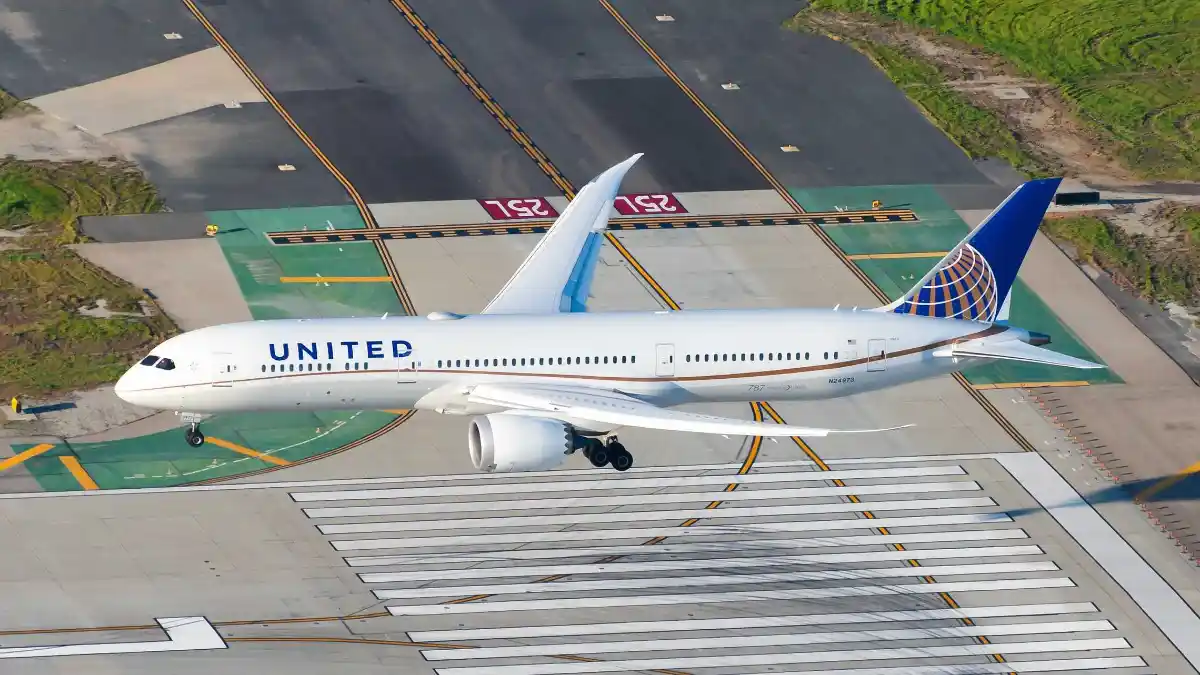
Fleet modernization further supports these goals. New aircraft, such as the 787 Dreamliner and A321neo, offer dramatically improved fuel efficiency and reduced per-seat emissions. Moreover, the airline is pursuing electric and hydrogen aircraft partnerships for future regional operations.
Conclusion: A Legacy Forged in the Sky, and a Future Defined by Strategy
United Airlines remains one of the most consequential and complex entities in global aviation. With a heritage that traces back to the earliest days of flight, United has continually reshaped itself to meet the challenges of its era—whether through crisis recovery, mergers, network innovation, or sustainability investments.
In 2025, as the industry emerges from a period of extraordinary disruption, United is not just flying high—it is flying strategically, committed to redefining air travel for the decades ahead.