Understanding the Role of Legacy Airlines in Modern Aviation
Legacy airlines, often called full-service carriers (FSCs), stand as pillars of the aviation industry. Their histories are long and storied, shaped by government regulation, strategic mergers, international treaties, and global expansion. Unlike low-cost carriers (LCCs), legacy airlines bring more than just transportation — they deliver a travel experience defined by tradition, service quality, and expansive connectivity.
Originating before the deregulation era of the airline industry — notably marked in the United States by the Airline Deregulation Act of 1978 — these carriers were once heavily regulated entities. Their routes, fares, and operations were managed by federal authorities. After deregulation, these airlines retained their vast infrastructure, forming the backbone of national and international air travel.
The Core Features of a Legacy Carrier
What separates a legacy airline from newer competitors is a combination of operational scale, brand history, and passenger services. By definition, legacy airlines typically embody:
-
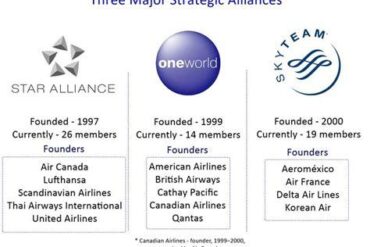
Membership in major global alliances such as Star Alliance, Oneworld, or SkyTeam, offering seamless international connections.
-
A hub-and-spoke route network, allowing strategic connectivity between major global cities.
-
Multiple classes of service, including Economy, Premium Economy, Business, and First Class.
-
Frequent flyer programs, often recognized for their longevity and benefits.
-
In-flight services, including meals, entertainment, and amenities.
-
Airport lounges that provide premium passengers with comfort, privacy, and exclusive services.
These features are not optional extras — they define the full-service business model.
From Flag Carriers to Private Giants
Globally, many legacy airlines began as state-owned flag carriers, representing national identity in international skies. Over time, privatization and market competition reshaped their structures, but not their stature. Airlines like Air France, Austrian Airlines, and Singapore Airlines were once extensions of their respective governments. Now, they operate as privately owned giants, while still upholding a reputation for excellence.
Others, like Air Europa, Spanair, and Aegean Airlines, emerged independently yet maintained legacy status through full-service offerings, comprehensive fleets, and consistent service quality.
The United States: Where the Term Took Root
In the U.S., legacy status is historically assigned to carriers with established interstate routes before 1978, the year of airline deregulation. This group includes industry titans:
American Airlines
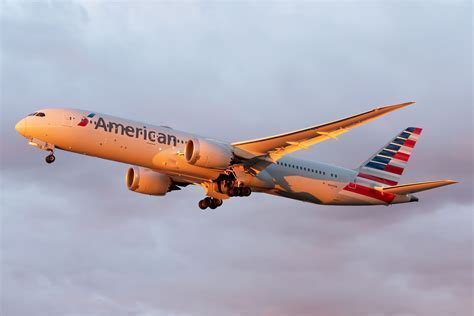
With the largest fleet size and route network in the world, American Airlines redefined what it means to be a global airline. Its frequent flyer program, AAdvantage, is not just widespread — it’s the largest of its kind globally. American’s regional partnerships and alliance membership through Oneworld reinforce its dominance.
Delta Air Lines
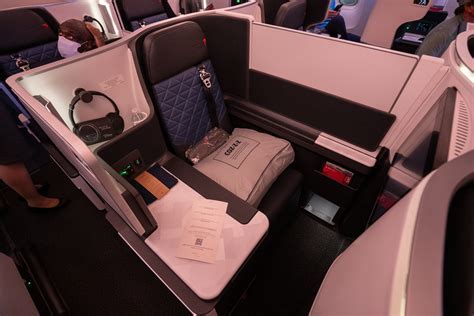
Known for reliability and operational efficiency, Delta operates over 325 destinations across six continents. With a robust domestic and international presence, it leverages its SkyTeam partnership and a premium service experience to maintain market leadership.
United Airlines
As a founding member of Star Alliance, United commands a large footprint, particularly across Asia-Pacific. Its global reach, elite lounges, and MileagePlus program position it as a leading force among full-service airlines.
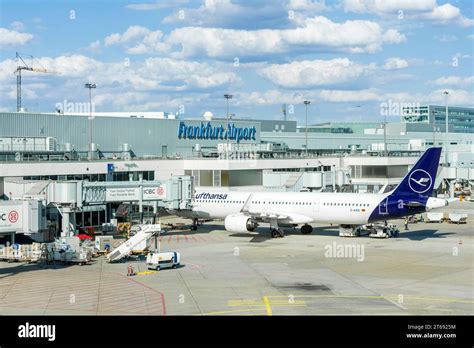
Lufthansa
Germany’s flag carrier, Lufthansa, is more than a legacy airline — it’s a European titan. As one of the founding members of Star Alliance and operator of multiple subsidiaries, it serves as the benchmark for transatlantic and intra-European services. The Miles & More program, four types of premium lounges, and tiered cabin offerings exemplify Lufthansa’s full-service ethos.
Fleet Diversity and Operational Complexity
Legacy airlines command diverse and often massive fleets. Unlike LCCs, which may standardize operations with a single aircraft type, legacy carriers operate:
-
Narrow-body aircraft for domestic and short-haul routes.
-
Wide-body aircraft for transoceanic and intercontinental flights.
-
Regional jets via subsidiary partnerships.
This variation allows for route flexibility, optimized load capacities, and enhanced passenger comfort. However, it also introduces high operational costs — a challenge legacy carriers must manage through scale, loyalty programs, and premium service revenue.
Adapting to the Low-Cost Revolution
Despite their prestige, legacy carriers face constant pressure from LCCs, whose lower fare models have reshaped traveler expectations. In response, many legacy airlines adopted hybrid strategies, such as:
-
Introducing basic economy fares with reduced services.
-
Unbundling services to allow travelers to select only what they need.
-
Investing in new-generation fuel-efficient aircraft.
-
Streamlining operations to remain competitive without compromising quality.
This transformation shows that legacy carriers are not resistant to change. Instead, they evolve strategically, blending efficiency with heritage.
Global Examples of Legacy Airlines
Beyond the U.S. and Europe, legacy carriers represent excellence across continents:
-
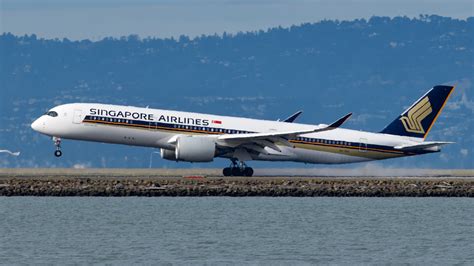
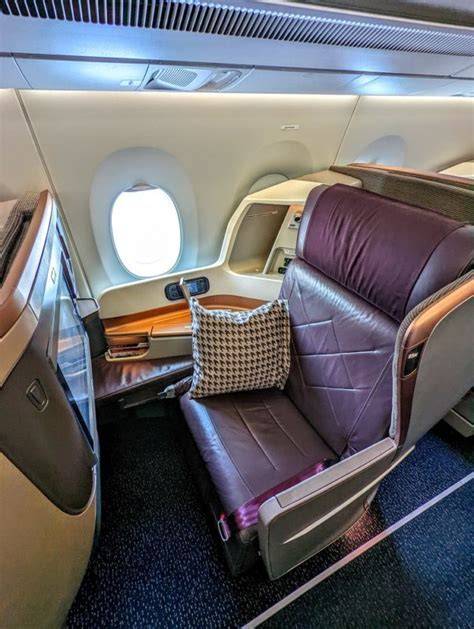
Singapore Airlines: With a globally admired cabin service and innovation in long-haul comfort, Singapore Airlines consistently ranks among the top airlines worldwide.
-
Thai Airways: Thailand’s national carrier, known for cultural hospitality and full-service reliability across Asia.
-
Philippine Airlines: Southeast Asia’s oldest airline, with extensive domestic coverage and a modern long-haul fleet.
-
Alaska Airlines and Hawaiian Airlines: While regionally focused, both are considered legacy carriers due to their operational history, premium offerings, and loyalty programs.
Booking with Legacy Carriers
Platforms like Alternative Airlines offer seamless access to over 650 global airlines, including all major legacy carriers. This allows travelers to filter flights not just by price, but by airline quality, route flexibility, and in-flight services. For discerning travelers, selecting a legacy airline is not a luxury — it’s a strategic decision tied to comfort, loyalty rewards, and reliability.
The Enduring Value of Legacy Airlines
In an aviation landscape crowded with budget options, legacy carriers remain vital. They connect continents, support diplomatic ties, uphold airline alliances, and provide consistent, high-level service that many travelers trust. Their value lies not just in longevity but in the experience they curate, the reliability they offer, and the role they play in shaping the future of global travel.
FAQs
What is the difference between a legacy airline and a low-cost carrier?
A legacy airline provides full-service operations including multiple cabin classes, frequent flyer programs, in-flight meals, entertainment, and lounge access. In contrast, a low-cost carrier (LCC) prioritizes budget pricing by minimizing services, often using a single aircraft type and operating on a point-to-point model.
Are legacy airlines more expensive?
Generally, legacy carriers have higher base fares than low-cost competitors due to their full-service model and operational complexity. However, when considering total value — including baggage, meals, and comfort — they may offer better overall value, especially for long-haul or international routes.
Do all legacy carriers offer lounge access?
Yes, most legacy airlines provide lounge access for premium class passengers and elite frequent flyer members. These lounges often include food and beverage service, business amenities, and relaxation spaces, differentiating them from the no-frills model of LCCs.