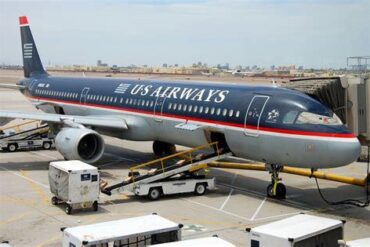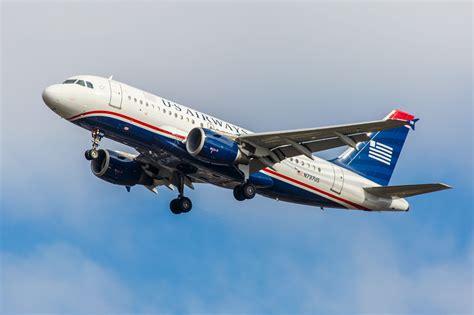
US Airways Express was not merely a name painted on turboprops and regional jets—it represented a complex web of feeder networks, code-sharing partnerships, and a critical lifeline to America’s smaller cities. As the regional wing of US Airways, this defunct airline brand, operating from 1989 to 2015, linked countless communities to major hubs across North America. With its strategic hubs in Charlotte, Philadelphia, Phoenix, Washington–National, and Pittsburgh, it played a pivotal role in shaping the regional air travel ecosystem in the United States.
The Origins: From Allegheny Commuter to USAir Express
The roots of US Airways Express stretch back to 1967, when Henson Airlines launched flights under the Allegheny Commuter brand—widely acknowledged as the first major airline code-share agreement in history. This partnership with Allegheny Airlines, later renamed USAir in 1979, was groundbreaking, laying the groundwork for modern regional airline systems.
By 1989, Allegheny Commuter evolved into USAir Express, further expanding its role in delivering passengers from rural and mid-sized cities to larger hubs for mainline connections. The name transitioned once more in 1997 when USAir became US Airways, and the regional brand reemerged as US Airways Express.
A Complex Web of Carriers Under One Banner
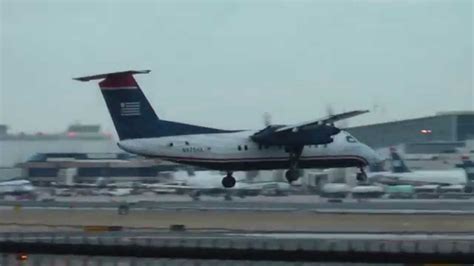
Unlike a single airline, US Airways Express was a collaborative brand identity representing a network of independently owned and operated carriers. These carriers operated under code-sharing agreements but maintained separate aircraft, crews, and operations. Among the major contributors were:
- Piedmont Airlines (formerly Henson Airlines)
- PSA Airlines (named after the defunct Pacific Southwest Airlines)
- Mesa Airlines
- Republic Airways
- Air Wisconsin
- SkyWest Airlines
These carriers flew a diverse fleet of regional jets and turboprops, ensuring connectivity between underserved markets and larger US Airways hubs. This decentralized model allowed the mainline carrier to reduce operational costs while increasing flight frequency in thin markets.
Fleet Composition: Turboprops and Regional Jets
At its peak, US Airways Express operated a dynamic fleet optimized for short- to medium-haul routes. Aircraft types ranged from 19-seat turboprops to nearly 80-seat regional jets. Key aircraft included:
- Bombardier Dash 8-100/300
- Saab 340
- Beechcraft 1900C/D
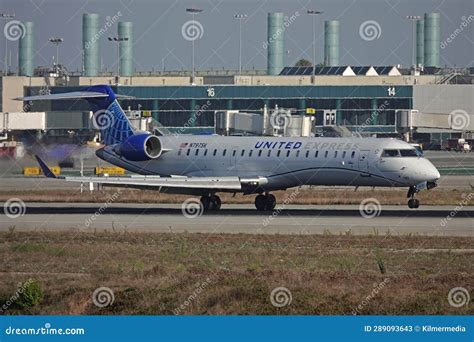
- Bombardier CRJ200/700/900
- Embraer 170/175
These aircraft offered flexibility, allowing the brand to serve runways and destinations unsuitable for mainline jets. The CRJ and Dash 8 series, in particular, became staples of the Express fleet.
Strategic Hub Development and Route Coverage
US Airways Express carriers operated primarily from five major hubs, which allowed tight integration with US Airways’ broader route network:
- Charlotte Douglas International Airport (CLT) – The largest hub, supporting extensive southeast U.S. coverage.
- Philadelphia International Airport (PHL) – Focused on northeast and trans-Atlantic feeder traffic.
- Phoenix Sky Harbor (PHX) – Provided western U.S. and Southwest regional connectivity.
- Washington National (DCA) – Connected political and business travel markets.
- Pittsburgh International (PIT) – Formerly a key hub before scaling back in the 2000s.
Express flights extended across the U.S., Canada, and the Bahamas, with high-frequency shuttles and point-to-point regional service. Cities too small to sustain full-size jet service relied on these routes for national and global connections.
Corporate Transitions and the American Airlines Merger
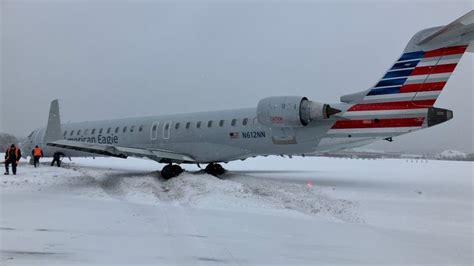
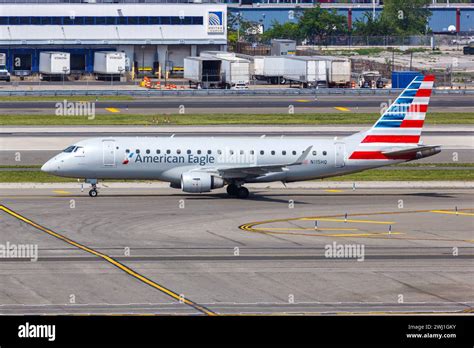
In 2013, parent company US Airways merged with American Airlines, forming the largest airline in the world. This merger spelled the end of the US Airways brand, and with it, US Airways Express was phased out. By October 17, 2015, all flights formerly operating as US Airways Express transitioned to the American Eagle brand.
Although the carriers like Piedmont and PSA continued to operate, their liveries and branding shifted to American Eagle, retiring the distinct US Airways Express identity permanently.
Accidents and Safety Record
Despite operating under rigorous FAA oversight, US Airways Express had several notable incidents during its tenure:
- CommutAir Flight 4281 (1992): Crashed during approach in New York due to pilot error, resulting in 2 fatalities.
- Air Midwest Flight 5481 (2003): A weight and maintenance issue caused the aircraft to stall and crash after takeoff in Charlotte, killing all 21 aboard. This led to industry-wide changes in weight estimation protocols.
- Colgan Air Flight 9446 (2003): Crashed on a non-revenue flight from Massachusetts due to maintenance oversight.
- Flight 4551 (2008): Emergency landing in Philadelphia after nose gear failure; no injuries reported.
- Flight 4352 (2011): Caused a security scare when communication was lost near Washington, D.C., prompting a Capitol evacuation.
- Flight 4560 (2013): Conducted a successful belly landing at Newark after gear malfunction.
While incidents were rare considering the volume of flights, each prompted enhanced maintenance checks, procedural reforms, and updated pilot training within the regional sector.
A Legacy of Connectivity
The importance of US Airways Express to the American aviation landscape cannot be overstated. For nearly three decades, it:
- Connected rural and secondary cities to the global economy
- Created thousands of regional aviation jobs
- Pioneered code-sharing models that became industry standard
- Maintained vital transportation links for business, tourism, and logistics
Its legacy survives in the continued operations of its former subsidiaries—many of which now wear the American Eagle livery. The infrastructure, pilot bases, and aircraft it supported remain integral to regional aviation in the U.S. today.
Conclusion: The End of an Era, But Not Forgotten
Though US Airways Express officially vanished from tarmacs and terminal signs in 2015, its influence remains deeply embedded in the evolution of regional air service. It helped to bridge the geographic and economic divide between small-town America and the rest of the world. From its inception as Allegheny Commuter to its retirement under American Airlines, US Airways Express was more than just a brand—it was a critical artery in America’s aviation bloodstream.
As the aviation industry continues to consolidate and evolve, the model set forth by US Airways Express—leveraging regional partnerships for national reach—remains a blueprint still followed by major carriers across the globe.