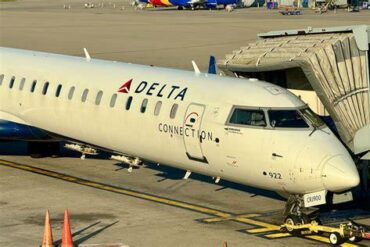
A Delta Air Lines Boeing 737-900ER arriving at New York’s LaGuardia Airport was briefly affected by a reported rocket launcher threat during its final approach, triggering a security response from authorities before the warning was determined to be non-credible. The incident occurred on July 21 as Delta flight DL2604 approached the busy New York airport after departing from Detroit Metropolitan Wayne County Airport.
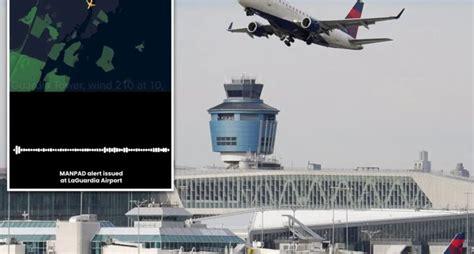
The aircraft was carrying 182 passengers when air traffic control informed the crew about a possible MANPAD (man-portable air-defense system) report near the airport. Although the threat was later dismissed, pilots and aviation authorities treated the information seriously because even an unconfirmed surface-to-air weapon report could represent a major danger to aircraft operations.
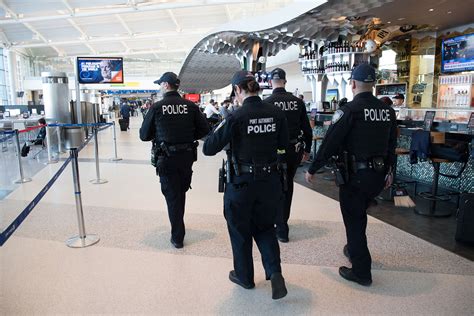
The warning came shortly before the aircraft was cleared to land at LaGuardia. Air traffic controllers advised the Delta crew to use “extreme caution” after receiving information from the Port Authority Police regarding a possible rocket launcher in the surrounding airport area. Because the report involved a potential weapon capable of targeting aircraft, immediate coordination between aviation officials and law enforcement agencies was required.

False Rocket Launcher Report Triggers LaGuardia Security Response
The alert was linked to an anonymous caller who claimed to be near the airport grounds and allegedly stated that they possessed a rocket-propelled grenade launcher and intended to target arriving aircraft. Such threats are automatically handled as serious aviation security matters, regardless of whether authorities initially believe them to be credible.
During communications with air traffic control, the Delta pilot requested clarification about the term MANPAD, as the abbreviation is primarily used by military and security organizations. The controller explained that it referred to a man-portable air-defense system and described the situation as a report involving a possible rocket launcher.
Approximately one minute later, law enforcement officials updated air traffic control and confirmed that the threat was considered non-credible. The aircraft continued its planned approach and landed safely without changing its route or requiring a diversion.
Passengers onboard were reportedly not informed about the warning during the flight. This decision reflected standard aviation safety procedures, where crews and authorities attempt to manage security situations discreetly to prevent unnecessary alarm while still responding appropriately behind the scenes.
Why Aviation Threat Reports Are Taken Seriously
Even when a threat appears unlikely, airline crews must assume that every report could potentially be real. Modern aviation security procedures are designed around the principle that early caution can prevent catastrophic outcomes.
When an aircraft receives a security warning, pilots communicate closely with air traffic controllers, airline operations teams, and emergency response agencies. Depending on the severity of the situation, crews may evaluate alternative landing options, activate emergency procedures, or request additional assistance.
In more serious scenarios involving credible threats, aircraft may divert to another airport, receive military support, or undergo extensive inspections after landing. Security teams can deploy specialized units, including explosive detection teams and law enforcement personnel, to examine aircraft, baggage areas, and airport facilities.
For DL2604, however, the situation was resolved quickly. Authorities searched the relevant area around LaGuardia and determined that there was no actual weapon threat. The investigation remained focused on identifying the person responsible for making the false report.
LaGuardia Airport’s Importance in New York Aviation
The incident took place at LaGuardia Airport (LGA), one of the most important airports serving the New York metropolitan region. Located close to Manhattan, LaGuardia handles a large volume of domestic flights and serves as a key airport for business travelers and short-distance routes.
LaGuardia is the third-busiest airport in the New York area, following John F. Kennedy International Airport and Newark Liberty International Airport. Due to its limited runway capacity and strict operating slots, any security disruption at the airport can quickly affect flight schedules across the region.
The airport primarily serves domestic destinations, although several international operators also provide limited short-haul international services. Because of its location near densely populated areas, aviation authorities maintain strict security procedures for any potential threat involving aircraft operations.

False Threats Can Still Create Major Aviation Consequences
Although the rocket launcher report near LaGuardia did not result in injuries, delays, or aircraft disruption, false security threats remain a significant concern for airlines and airports worldwide. A single false claim can require large-scale responses involving police, airport authorities, airline personnel, and emergency teams.
Tracking individuals who make these threats can also involve complex investigations, including communication analysis and cybersecurity methods. Authorities work to determine whether such reports are deliberate attempts to disrupt aviation or the result of other circumstances.
For passengers, the event demonstrated the importance of the aviation industry’s layered security approach. The flight continued safely because pilots, controllers, and law enforcement officials followed established procedures and responded quickly.
Delta flight DL2604 ultimately completed its journey without incident, but the false rocket launcher warning highlighted the constant vigilance required to protect modern air travel. Even when a threat proves unfounded, aviation professionals must treat every warning with the seriousness necessary to keep passengers, crews, and communities safe.