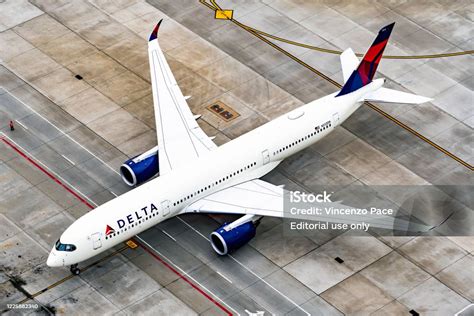
The landscape of American air travel reliability has shifted dramatically, with Delta Air Lines, long celebrated as the benchmark for punctuality and operational excellence, experiencing a startling decline. Once a perennial leader in the U.S. Department of Transportation (DOT) rankings, Delta has fallen from first place to sixth, according to the January 2026 Air Travel Consumer Report published on May 1, 2026. This sudden drop not only highlights operational vulnerabilities but also marks the end of a five-year streak in which Delta dominated on-time performance metrics among U.S. carriers. Aviation analytics firm Cirium previously noted Delta as the only U.S.-based airline to secure a spot in the Top Ten Global Airlines for 2025, underscoring the gravity of this shift in domestic rankings.
Operational Performance Under the Microscope
The DOT measures airline reliability through a rigorous examination of flight punctuality, cancellations, and overall schedule adherence. Flights arriving within 15 minutes of their scheduled time are classified as on-time, while cancellations and delays are meticulously logged by the Bureau of Transportation Statistics. In January 2026, Delta operated a total of 132,034 flights, including 84,475 by its mainline operations and 47,559 through branded codeshare partners. While 105,710 of these flights arrived on time, translating to a respectable 80.06% on-time performance, the airline’s reliability rating was severely impacted by its cancellation record.
Delta reported 3,229 canceled flights, split between 1,439 from mainline operations and 1,790 from codeshare partners, amounting to an overall cancellation rate of 2.45%. The mainline cancellation rate stood at 1.7%, while codeshare partners experienced a 3.76% rate. This data positioned Delta behind several competitors, illustrating that high volume alone does not equate to superior reliability.
Allegiant Air Tops U.S. Reliability Rankings
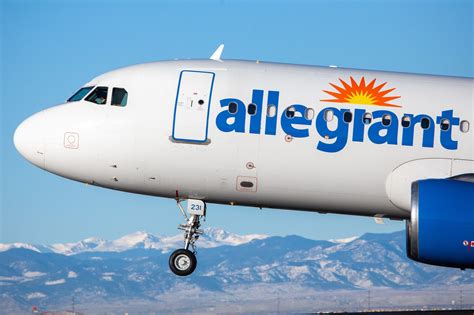
Taking the crown from Delta is Allegiant Air, an ultra-low-cost carrier that operates significantly fewer flights but delivers exceptional reliability. Out of 9,652 total flights in January, Allegiant canceled only 78, achieving a 0.81% cancellation rate, the lowest among all major U.S. carriers. Their on-time performance also reflects careful operational planning, with 7,344 flights arriving on schedule. The contrast with Delta highlights a crucial point in airline operations: efficiency and careful scheduling can outweigh sheer network size in maintaining reliability.
Following Allegiant, Southwest Airlines claimed second place. As the world’s largest low-cost carrier by fleet size and passenger volume, Southwest operated 113,938 flights and reported 1,970 cancellations, equating to a 1.73% cancellation rate. Third place went to Hawaiian Airlines, whose smaller network of 6,426 flights and 125 cancellations delivered a 1.95% cancellation rate. Other notable performers ahead of Delta included Frontier Airlines (1.99%) and Spirit Airlines (2.29%), demonstrating that a diverse range of carriers is now outperforming Delta in reliability metrics.
Weekend Operational Crisis Exposes Delta Weaknesses
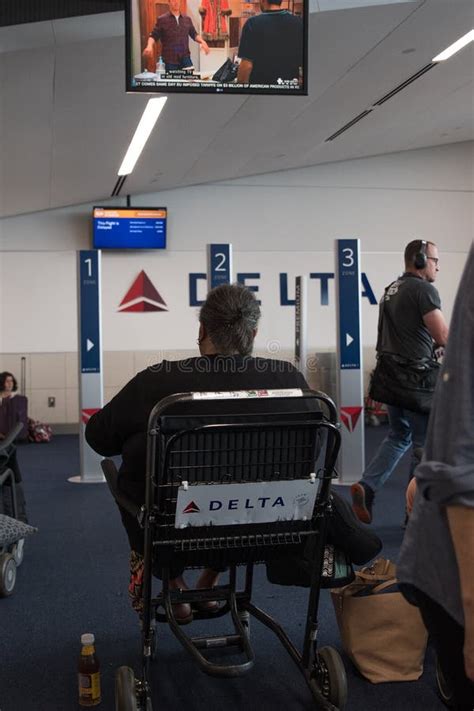
Delta’s decline in reliability is further underscored by a significant operational meltdown over the May 2–3 weekend. On Friday, hundreds of flights were delayed, and by Saturday afternoon, the airline had canceled over 200 flights. The official explanation cited “crew restrictions”, a broad term that belied underlying challenges, including insufficient pilot overtime availability, shortages of backup crew, and internal software limitations in managing complex new rest requirements. On Friday, about 4% of flights were canceled, jumping to 6% on Saturday—figures far above Delta’s historical norms.
This crisis starkly contrasted with other major U.S. carriers, such as American Airlines and United Airlines, which reported smooth operations over the same period. The implications for passengers are profound: stranded travelers, disrupted itineraries, and erosion of confidence in Delta’s operational resilience.
Implications for Travelers and the Airline Industry
Delta’s descent from first to sixth in DOT rankings reflects both systemic and situational pressures. High-volume carriers face inherent challenges in maintaining perfect punctuality, but the extent of recent cancellations signals deeper operational fragilities. For passengers, these metrics translate directly into travel risk, potential missed connections, and overall dissatisfaction. Meanwhile, competitors that prioritize schedule adherence over sheer capacity—Allegiant, Southwest, and Hawaiian—are reaping the benefits in consumer trust and brand reputation.
Industry analysts suggest that Delta must address staffing flexibility, crew scheduling software limitations, and predictive maintenance strategies to reclaim its former reliability leadership. With legacy carriers like American and United maintaining stable operations, Delta cannot rely on past performance alone to reassure travelers. The January 2026 DOT report is a wake-up call: reliability in air travel is as much about adaptability and operational precision as it is about scale.
Conclusion: Delta’s Reliability Reputation in Flux
The shift from first to sixth place in DOT reliability metrics marks a pivotal moment for Delta Air Lines. While historically synonymous with punctuality and operational excellence, recent performance data and high-profile operational failures suggest the airline faces a period of recalibration. Passengers and industry observers alike will be watching closely as Delta navigates staffing challenges, schedule complexity, and competitive pressures from both ultra-low-cost carriers and legacy airlines. This fall from the top is more than a statistical blip—it is a clear signal that in the dynamic U.S. aviation market, past accolades offer no immunity from operational realities.