A common misconception in aviation is that slips and skids are equally hazardous during a stall. However, when comparing these two conditions, it becomes clear that skids are far more dangerous than slips, especially when they occur during low-altitude maneuvers like a base-to-final turn. In this article, we will explore the reasons why skids lead to more severe consequences than slips, focusing on the aerodynamics, pilot control inputs, and the inevitable outcomes that can result in catastrophic accidents.
Understanding Skids and Slips in Aviation
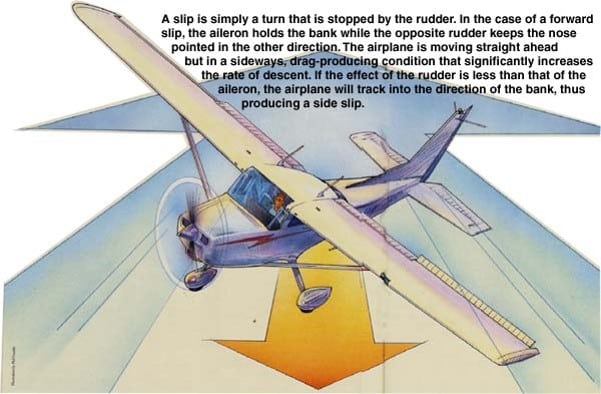
Before diving into why skids are more dangerous than slips, it’s essential to understand the fundamental differences between the two. In a slip, the aircraft is banked too steeply for the rate of turn, and the nose of the aircraft yaws towards the outside of the turn. In contrast, a skid occurs when the airplane is turning too quickly for its bank angle, causing the aircraft to yaw into the turn, often due to overuse of the rudder. These two conditions play a critical role in determining the aircraft’s flight path and stability.
When an aircraft is in a skid, the aircraft is pushed too aggressively into the turn with the rudder, which can increase the lift on the outside wing. As the outside wing generates more lift, the aircraft starts to roll more deeply into the turn. The pilot, attempting to counter this roll, adds opposite aileron. This creates a situation where the inside wing is forced to exceed its critical angle of attack and stall. This is the primary factor that leads to an aircraft entering a spin during a skid.
The Aerodynamics of a Skid: A Deadly Combination
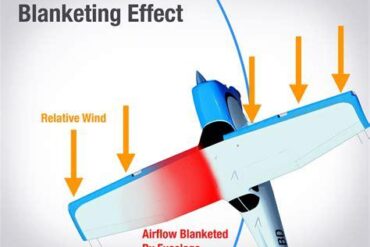
A skid is more dangerous than a slip because it creates a series of interrelated aerodynamic effects that contribute to the rapid development of an incipient spin. When an aircraft skids, the relative airflow over the wings is altered dramatically. The wing on the inside of the turn experiences reduced airflow due to the fuselage blocking some of the wind, and this wing is likely to stall first.
As the inside wing stalls, the aircraft rolls towards the stalled wing, and the airplane enters a spin. The yawing action from the rudder exacerbates this rolling tendency, pushing the aircraft further into the turn, and making recovery increasingly difficult. In a stall scenario, the outside wing will generate more lift, causing the inside wing to stall even faster, setting up the conditions for a spin.
In comparison, when an aircraft is in a slip, the dynamics are quite different. The aircraft will still be flying with an uncoordinated attitude, but the yawing motion occurs in the opposite direction. In a slip, the aircraft’s nose is yawing away from the turn, causing the outside wing to have a higher angle of attack. As a result, the outside wing will stall first, and the aircraft will begin to roll out of the turn rather than deeper into it. This rolling tendency towards level flight makes it more likely for the airplane to recover from the stall without entering a spin.
The Spin: The Ultimate Hazard of a Skid
A spin is the most dangerous outcome when an aircraft enters a skid, especially during low-altitude maneuvers. Spins are incredibly difficult to recover from, and the chances of survival diminish significantly when the stall develops into a full spin at low altitudes. In the scenario of a skid during a base-to-final turn, the pilot is often caught off guard as the aircraft rapidly loses control and enters a spin, sometimes without enough altitude to recover.
The process leading to a spin in a skid is straightforward: The aircraft enters a skid, causing the inside wing to stall. As the stall develops, the aircraft rolls into the turn, and the spinning motion accelerates as the airplane yawns further into the turn. The spin then becomes self-sustaining, and the pilot has little chance of recovering before impact with the ground.
Why a Slip Is Less Likely to Cause a Spin
In contrast, when an aircraft is in a slip, the dynamics are much more forgiving. As the aircraft banks too steeply for the turn, the outside wing is at a higher angle of attack. The resulting stall on the outside wing causes the aircraft to level out, moving away from the turn. This action helps prevent a spin, as the aircraft is not rolling further into the turn.
Instead of causing a spin, a slip helps maintain the aircraft in a more coordinated attitude as the outside wing stalls first, ultimately leading to a gentle roll back towards level flight. In fact, a slip, when managed correctly, will not lead to a spin under typical circumstances.
Practical Implications for Pilots
Understanding the difference between a skid and a slip is crucial for pilots, particularly when navigating through low-altitude maneuvers like the base-to-final turn. A key takeaway for pilots is to avoid using excess rudder to tighten a turn. A rudder-induced skid can quickly spiral into a spin, leading to disastrous outcomes.
If a pilot finds themselves in a situation where they cannot make the turn without skidding, it is often safer to execute a go-around. A go-around gives the pilot the opportunity to reconfigure the aircraft for a safer, more coordinated landing approach, reducing the likelihood of entering a spin or other dangerous situation.
Conclusion: Skids Are a Serious Risk to Flight Safety
The difference between a skid and a slip is subtle but significant. Skids introduce a number of aerodynamic dangers that can quickly lead to an uncontrolled spin, while slips, though still uncoordinated, generally present fewer immediate risks. Pilots must be aware of the forces at play during these maneuvers and take care to avoid skidding, particularly during critical phases of flight like the base-to-final turn.
By recognizing the signs of a skid and understanding the aerodynamic principles that make skids so dangerous, pilots can significantly reduce the chances of encountering a spin during flight. The key takeaway for any pilot is simple: avoid skidding, maintain coordinated flight, and always be ready to execute a go-around when necessary to ensure a safe landing.