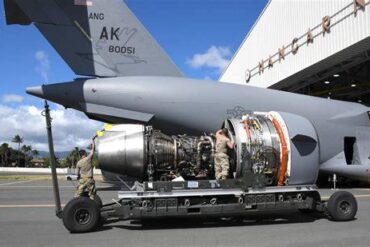
The relationship between the Boeing 757 and Boeing 767 has long intrigued aviation enthusiasts and professionals alike. Developed in tandem during the late 1970s and early 1980s, both aircraft emerged as distinctly different airframes with complementary roles—yet, they share more than a familial design lineage. One of the most debated aspects is whether both aircraft are powered by the same engines, specifically the Rolls-Royce RB211 series. To answer this question, we must dive deep into the history, specifications, and engine architecture of these iconic aircraft.
Development Background: A Synchronized Birth of Two Giants
Boeing’s strategy in the late 20th century was shaped by market needs for efficient, mid-capacity aircraft. The Boeing 757 was intended to replace the aging Boeing 727—a trijet narrowbody workhorse. It featured a single-aisle fuselage, with improved fuel efficiency and greater range. The Boeing 767, on the other hand, was Boeing’s answer to the burgeoning widebody market. A smaller cousin to the 747, the 767 was envisioned to serve transcontinental and transatlantic routes while offering more flexibility than its larger counterparts.
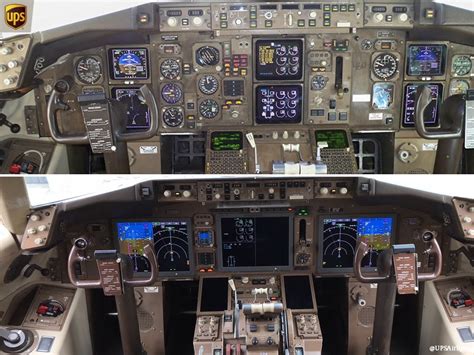
Despite significant design divergence, Boeing took a modular approach. The 757 and 767 share a common cockpit, allowing for a shared pilot type rating, and this cross-compatibility continues to benefit airlines to this day.
Engine Options: Rolls-Royce RB211 and Its Variants
At first glance, both the 757 and 767 can be equipped with engines from the Rolls-Royce RB211 family. This has led many to conclude that they use the “same engine”—a statement that demands nuanced clarification. Indeed, both aircraft could be fitted with RB211s, but they use different variants with distinct performance characteristics.
The Boeing 757 was initially launched with the RB211-535C, later upgraded to the RB211-535E4, which provided greater efficiency and reliability. It also offered the Pratt & Whitney PW2000 as an alternative engine. The RB211-535 series was designed specifically for medium-thrust applications suitable for narrowbody aircraft.
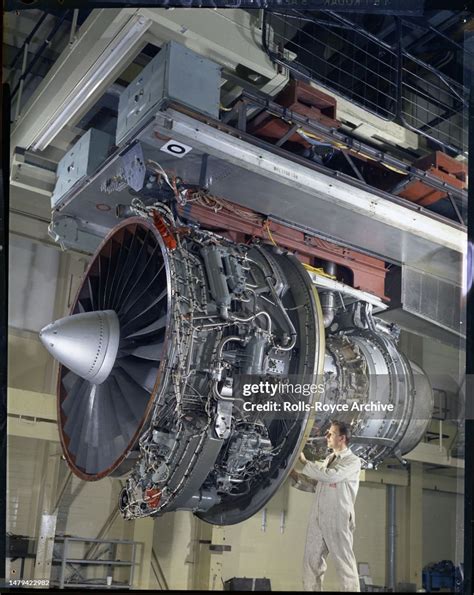
The Boeing 767, in contrast, was initially available with the General Electric CF6 and the Pratt & Whitney JT9D, with later models featuring the PW4000. It wasn’t until 1987 that Rolls-Royce introduced the RB211-524 variant to the 767 program. However, this version of the RB211 was physically larger and heavier, designed for long-haul widebody operations.
The RB211 Family: Not All Engines Are Created Equal
While sharing a name, the RB211-524 and RB211-535 engines are not the same. They differ in design, dimensions, thrust output, and internal components. The RB211-524, used on the 767, had origins dating back to the Lockheed L-1011 TriStar and Boeing 747-200, built to deliver thrust in excess of 50,000 pounds.
The RB211-535, on the other hand, was specifically crafted for the smaller 757, offering thrust levels between 37,400 and 43,100 pounds. Key engineering differences include:
- A smaller fan diameter in the 535 variant
- Removal of the first-stage intermediate-pressure (IP) compressor
- Different accessory gearbox layouts and oil systems
Thus, although they share some core architecture and technological philosophy, they are distinct products with no interchangeability in real-world operation.
Operational Realities: Airline Adoption and Fleet Decisions
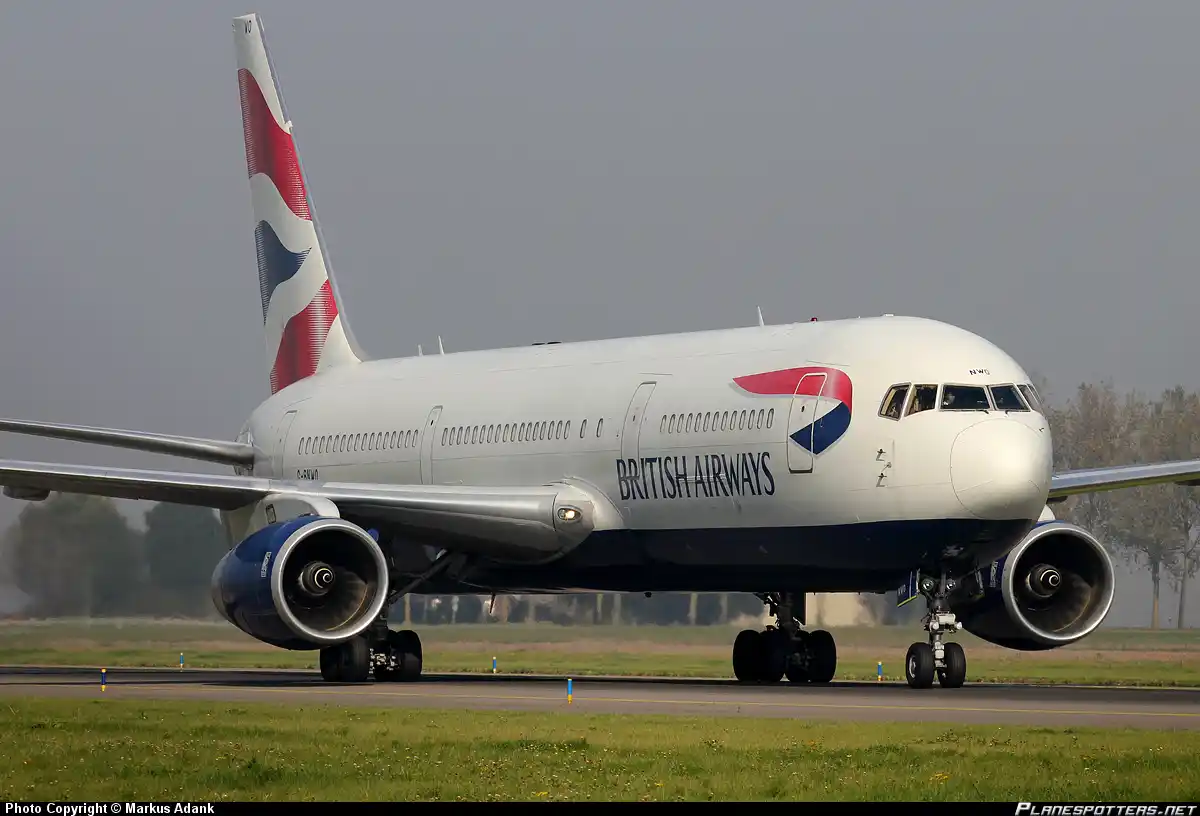
Only two airlines adopted the RB211-524 for their 767 fleets: British Airways and China Yunnan Airlines. British Airways ordered 28 767-300ERs powered by RB211-524 engines, highlighting the airline’s longstanding relationship with Rolls-Royce. These aircraft eventually found second lives with Qantas, which traditionally favored GE’s CF6. The limited customer base is indicative of the RB211-524’s late entry into the 767 program and higher weight compared to rival engines.
China Yunnan Airlines operated three RB211-powered 767s before its merger with China Eastern. Interestingly, these aircraft eventually entered service with Eastern Airlines (US), which remains the last active operator of RB211-powered 767s.
Maintenance and Commonality: Is There an Advantage?
Although the RB211-524 and -535 are not interchangeable, they do share certain engineering elements, leading to partial parts commonality. These include shared software diagnostics, similar maintenance procedures, and a degree of commonality in turbomachinery core elements.
For airlines like British Airways, this commonality enabled some cost savings and training efficiencies, especially when operating both 757s and 767s. Yet, this was a rare strategic choice. Most airlines preferred using different engine suppliers tailored to each airframe’s specific performance and efficiency needs.
Why the Confusion Persists
The notion that the 757 and 767 are powered by the same engine persists because of the RB211 branding. Unlike the Trent series of today, which maintains clearer variant distinctions, the RB211’s naming conventions create ambiguity. It’s easy to assume that a shared engine name implies shared engines, but in this case, the truth lies in the variant-specific engineering.
Examples of True Engine Sharing in Aviation
True engine sharing—where a single engine model powers multiple aircraft without significant changes—is rare, but not unprecedented. Consider:
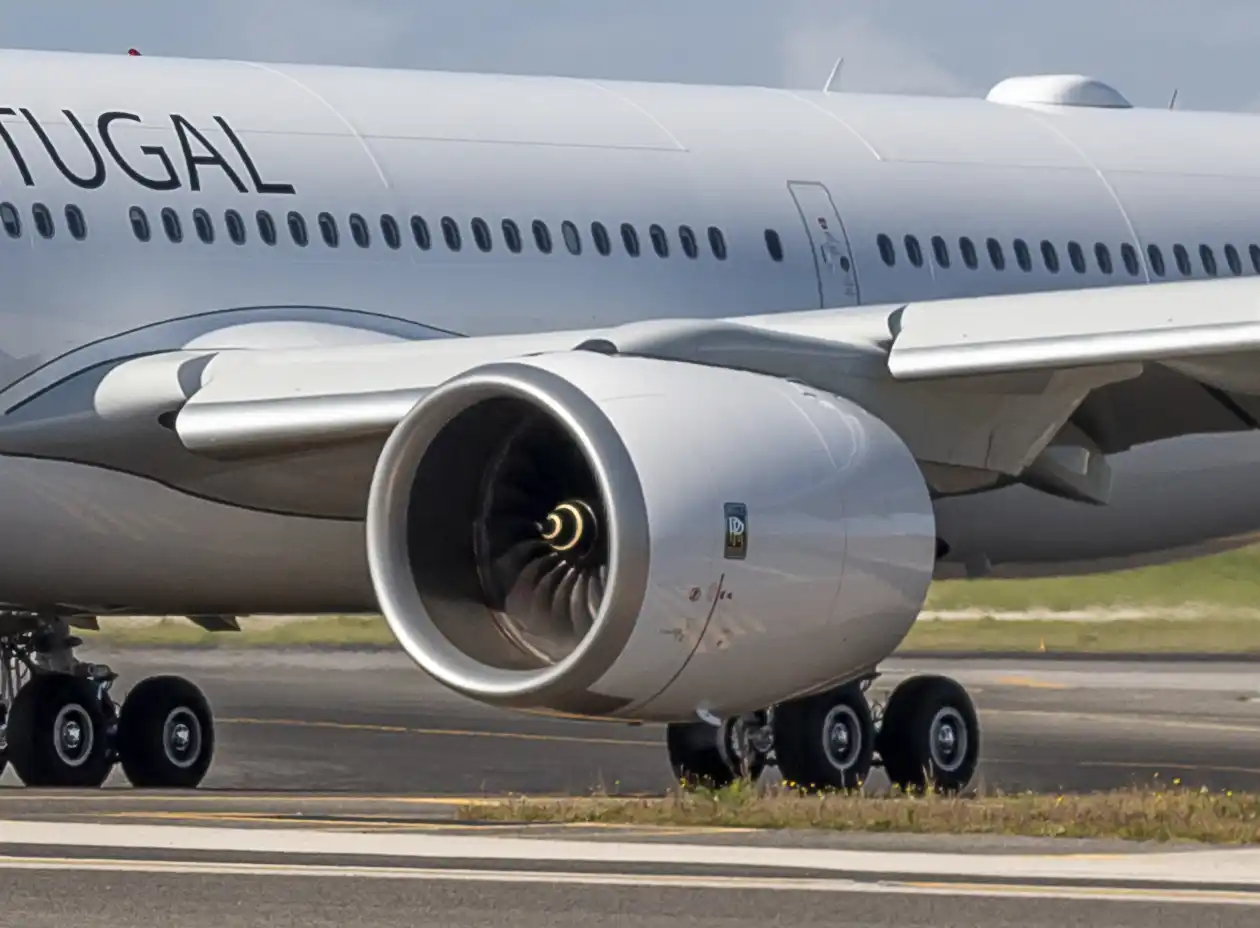
- The Rolls-Royce Trent 7000 on the A330neo, which is a bleed-air variant of the Trent 1000 on the Boeing 787. These engines share significant hardware and design philosophy.
- The CFM LEAP-1A and LEAP-1B used on the A320neo and 737 MAX respectively. While differing in fan design and bypass ratio, they share much of their core.
- The GEnx-1B (787) and GEnx-2B (747-8) engines—built on the same core, but adapted for different airframes.
These examples reflect a more deliberate design philosophy focused on modularity and scalability, unlike the RB211 family which evolved in a more application-specific manner.
Conclusion: The Verdict on Engine Commonality
So, are the Boeing 757 and 767 powered by the same engines? The answer is a qualified no. While both can be fitted with Rolls-Royce RB211 engines, they are distinct variants with tailored thrust and configuration profiles. The RB211-524 and RB211-535 share ancestry, but not identity.
In the aviation world, where subtle engineering differences can lead to major operational implications, engine commonality is about more than just branding. The RB211 series exemplifies this complexity. For airlines, regulators, and technicians, understanding these distinctions is critical to ensuring optimal performance, safety, and economic return.
What the 757 and 767 do share—beyond their cockpit and partial engine heritage—is a legacy of versatility, reliability, and enduring operational relevance. Their engines, though not identical, reflect Boeing’s strategic vision of the 1980s and the intricate dance between airframe design and propulsion technology that continues to define commercial aviation today.