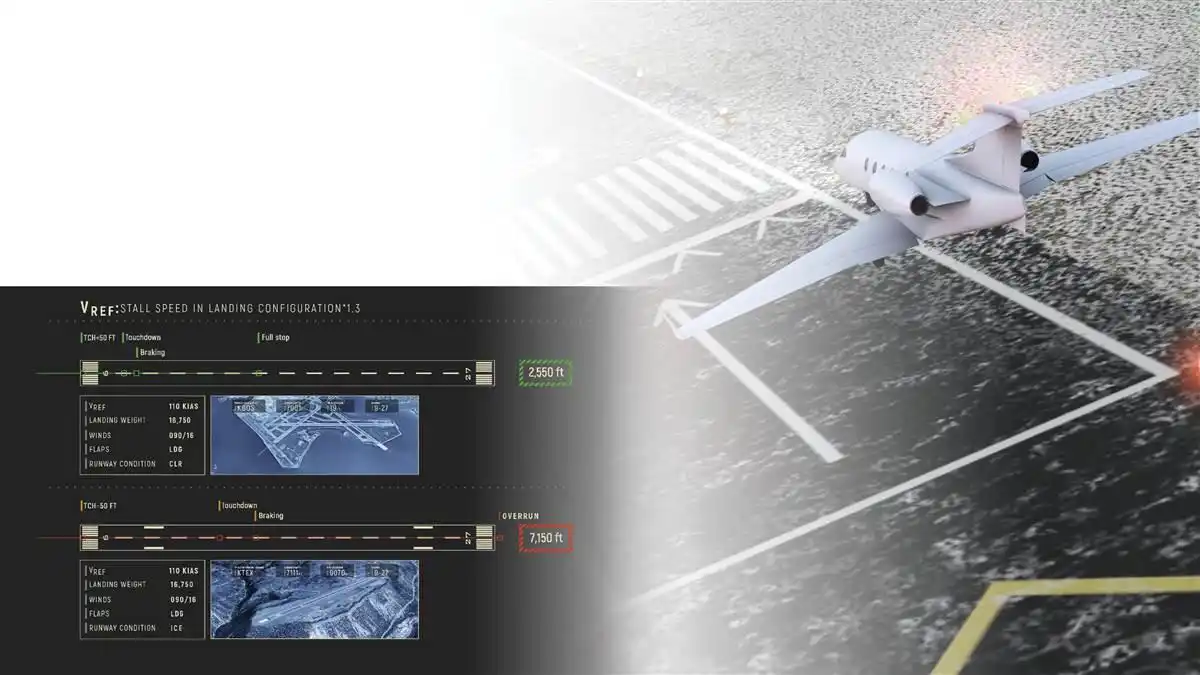
Understanding aircraft performance speeds is crucial for both safety and efficiency during flight operations. Among these, Vref — the reference landing approach speed — often raises questions among pilots. Does Vref change? Can we calculate it accurately based on varying flight conditions? Let’s delve into these critical aspects with a structured, detailed exploration.
What is Vref and Why It Matters
Vref, or Reference Speed, is typically calculated as 1.3 times the aircraft’s Vso — the stall speed in the landing configuration. It represents the minimum safe speed at which an aircraft can approach the runway in a landing configuration under specific weight conditions. Flying at Vref ensures that sufficient margin above stall speed is maintained, providing pilots with stability and control during approach.
Vref is not simply a random or arbitrary number. It is deeply rooted in the aircraft’s aerodynamic characteristics and is fundamentally a weight-dependent variable. Changes in the aircraft’s gross weight directly impact stall speed, and consequently, the calculated Vref.

Does Vref Change with Weight?
Indeed, Vref changes with aircraft weight. The stall speed, which Vref is based upon, varies depending on the aircraft’s total weight at the time of landing. As a general rule, stall speed increases with heavier weights and decreases with lighter ones. Since Vref is tied to the stall speed, it must also be recalculated for different weights.
The mathematical relationship is expressed as:
$$\text{Adjusted Vref} = \text{Published Vref} \times \sqrt{\frac{\text{Actual Weight}}{\text{Maximum Gross Weight}}}$$
This formula mirrors how maneuvering speeds (Va) are adjusted. The underlying principle is consistent: both are functions of the square root of the weight ratio. Thus, pilots must understand that Vref published in the Aircraft Flight Manual (AFM) assumes maximum gross weight, and any deviation in landing weight necessitates recalculation.
How to Calculate Vref for Actual Flight Conditions
When preparing for landing, calculating an accurate Vref ensures both a safe and efficient approach. Here’s a step-by-step method:
- Obtain Published Vref: Find the standard Vref at maximum landing weight from your aircraft’s Pilot Operating Handbook (POH) or AFM.
- Determine Actual Landing Weight: Subtract fuel burned and any payload changes from the maximum landing weight.
- Apply Weight Adjustment Formula: Use the square root formula to adjust the Vref accordingly.
For instance, if a Cessna 172 has a published Vref of 60 knots at a maximum gross weight of 2,450 lbs, and your current weight is 2,200 lbs, then:
$$\text{Adjusted Vref} = 60 \times \sqrt{\frac{2200}{2450}} \approx 57.2\text{ knots}$$
Thus, the adjusted Vref would be approximately 57 knots.
Can We Fly Below Published Vref to Shorten Landing Distance?
The temptation to reduce Vref for a shorter rollout exists, especially on constrained runways. However, intentionally flying slower than calculated Vref is hazardous and generally not advised.
Several important factors must be considered:
- Safety Margin: Vref includes a built-in safety margin above stall speed. Flying slower erodes this margin, risking stalls close to the ground where recovery is extremely difficult.
- Wind Conditions: Gusty or unpredictable winds require additive speeds above Vref to maintain stability.
- Aircraft Certification: Vref is derived based on certification standards ensuring safe landing characteristics; deviating undermines these standards.
If runway length concerns arise, proper techniques include:
- Using Full Flaps: Maximizes drag and reduces stall speed.
- Reducing Weight: Burn extra fuel or offload unnecessary payload.
- Selecting Alternate Runways: Prefer a runway offering safer margins rather than compromising approach speed.
- Awaiting Better Weather: Headwinds can significantly assist in reducing landing distance without risking approach speed reductions.
The Distinction Between Vref and Vapp
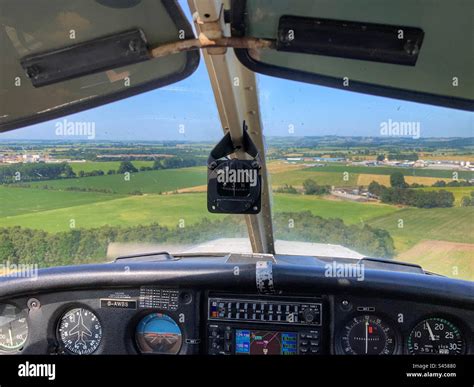
Confusion often arises between Vref and Vapp (Approach Speed). While related, they are not synonymous.
- Vref: The base reference speed calculated from 1.3 × Vso.
- Vapp: The operational speed flown during final approach, typically Vref plus adjustments for wind, airframe contamination, or operational considerations.
Wind additives are commonly added to Vref to calculate Vapp:
- Add half the steady headwind component.
- Add full gust spread (if gusty conditions are present).
For example, if Vref is 60 knots, with a steady 10-knot headwind and 5-knot gusts, Vapp would be:
$$\text{Vapp} = 60 + (\frac{10}{2}) + 5 = 70\text{ knots}$$
Thus, pilots approach at 70 knots, ensuring a stable and safe approach despite variable winds.
Which V Speeds Can Be Adjusted, and Which Cannot?
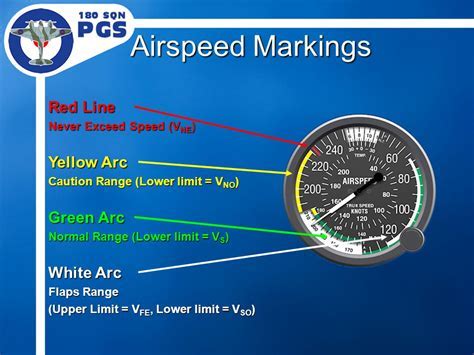
Not all V-speeds are adjustable based on weight. Some are fixed limitations imposed for safety or structural integrity.
- Weight-Dependent V-Speeds:
- Vref (Reference Landing Speed)
- Va (Maneuvering Speed)
- Vs1 and Vso (Stall Speeds)
- Fixed V-Speeds:
- Vne (Never Exceed Speed)
- Vno (Maximum Structural Cruising Speed)
- Vle (Maximum Landing Gear Extended Speed)
Fixed speeds relate to structural integrity and are tested and certified limits. They do not adjust with changes in weight, weather, or pilot discretion.
Why Calculating Vref Matters in Real-World Flying
Accurate Vref calculations are not mere academic exercises. They directly impact:
- Landing Distance: Approaching faster than necessary increases float and rollout distance.
- Fuel Efficiency: Unnecessary high-speed approaches waste precious fuel during final phases of flight.
- Wear and Tear: Higher landing speeds increase stress on brakes, tires, and airframe structures.
- Safety Margins: Misjudged speeds contribute significantly to runway excursions and landing incidents.
Moreover, modern aircraft Flight Management Systems (FMS) or Electronic Flight Bags (EFB) often automate Vref calculations, but understanding the underlying principles remains a professional necessity.
Conclusion: Mastering Vref for Safer Landings
In conclusion, Vref is a dynamic, weight-dependent speed that must be recalculated for each landing based on actual aircraft weight. While it is tempting to think that adjusting Vref for runway length might help, safety demands that pilots respect the minimum calculated speeds and instead modify operational parameters like flap settings, weight, or runway choice.
Understanding the distinction between Vref and Vapp, knowing which V-speeds are adjustable, and having the ability to manually calculate these speeds ensures that pilots operate their aircraft safely and effectively across a wide range of conditions. This depth of knowledge not only reflects professionalism but actively enhances every landing’s safety margin.
Landing is a critical phase of flight, and mastering the proper use of Vref is essential in achieving consistently safe outcomes.