As Alberta continues to establish itself as one of Canada’s premier tourist destinations, cities like Lethbridge, Banff, Jasper, Calgary, Edmonton, and Kelowna are implementing strategic plans aimed at fostering sustainable tourism growth. These cities, each with their unique offerings, are balancing the need for tourism expansion with local engagement and enhanced visitor experiences. With changing trends in the travel industry, these regions are prioritizing initiatives that not only maintain their popularity but also ensure resilience and sustainability, aligning with the rising interest in eco-tourism, cultural exchange, and community involvement.
Lethbridge: A Growing Tourism Cityscape
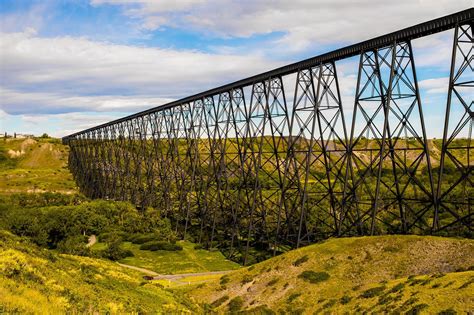
Lethbridge is poised to become a vibrant hub for sustainable tourism. Nestled near the breathtaking Canadian Rockies, it aims to promote its rich history, dynamic arts scene, and stunning natural landscapes to a new generation of travelers. The city’s tourism strategy emphasizes sustainability while introducing a new focus on advocacy and influence, according to Tourism Lethbridge. This plan aims to enhance local engagement, promote cultural offerings, and forge alliances to elevate Lethbridge’s profile in the tourist market. One standout feature is the opportunity to explore the ancient traditions of the Marapu people, which have been preserved for generations and continue to captivate visitors. By celebrating its heritage, Lethbridge hopes to attract those interested in slow tourism, ultimately contributing to both economic growth and cultural preservation.
Banff: The Pinnacle of Canadian Rockies Tourism
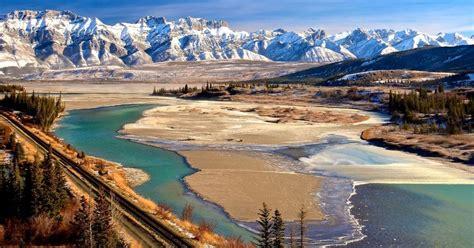
Banff, recognized as Canada’s most iconic tourist destination, is developing a strategic plan to manage the increasing influx of visitors to its pristine wilderness. Home to the majestic Banff National Park, with its soaring mountains and crystal-clear lakes, this area attracts millions annually. The management plan seeks a delicate balance between protecting the environment and accommodating tourists. With eco-tourism on the rise, Banff is committed to enhancing its sustainable tourism efforts by investing in conservation programs and educational initiatives that underscore responsible travel practices. Additionally, the strategy will spotlight local culture and create immersive experiences that allow visitors to engage meaningfully with the region, ensuring that tourism benefits the entire community.
Jasper: Fostering Community Participation and Sustainability
Another gem of the Canadian Rockies, Jasper is dedicated to defining its tourism success through community engagement and sustainability. Known for its breathtaking natural beauty, Jasper National Park is the second largest national park in Canada and has long been a magnet for nature lovers. The tourism strategy focuses on creating a sense of place for visitors and ensuring that tourism dollars benefit the local community sustainably. Remaining true to its eco-tourism values, Jasper will facilitate activities that foster authentic connections with nature, including guided wilderness tours and dark-sky programs. This plan also addresses the pressing issues of over-tourism, aiming to responsibly manage visitor numbers while preserving the park’s pristine environment.
Calgary: An Energetic Tourism Vision
As the largest city in Alberta, Calgary plays a pivotal role in the province’s tourism landscape. Renowned for its vibrant cultural scene, including events like the Calgary Stampede and the Calgary International Film Festival, the city is revamping its tourism strategy to align with global trends. The new plan positions Calgary as an international urban tourism destination, emphasizing arts, culture, and sports. It aims to promote year-round travel, focusing on winter tourism, culinary experiences, and attracting more international visitors. Given its strategic location as the gateway to the Rocky Mountains, Calgary is set to enhance its tourism infrastructure and local attractions, further stimulating its tourism economy.
Edmonton: Reinforcing Its Cultural Hub Status
As Alberta’s capital, Edmonton is making significant strides in enhancing its tourism, arts, culture, and innovation sectors. Known for its festive spirit, highlighted by events like the Edmonton International Fringe Festival and the Edmonton Folk Music Festival, the city’s new tourism strategy aims to expand these festivals to draw even larger crowds. Emphasizing its burgeoning food scene, shopping destinations, and winter sports offerings, Edmonton seeks to improve visitor experiences and accessibility to attract travelers from across the globe. By showcasing its diverse cultural landscape and hosting year-round events, Edmonton aims to position itself as a must-visit destination.
Kelowna: A Wine Lover’s Paradise
Kelowna, located in British Columbia’s picturesque Okanagan Valley, is known for its world-class wineries and stunning lakeside views. As tourism grows, Kelowna is revisiting its strategic plan to ensure sustainable growth while maintaining its small-town charm. The new strategy focuses on boosting wine tourism and promoting outdoor activities year-round, such as hiking, biking, and water sports. Committed to sustainability, Kelowna plans to integrate eco-friendly initiatives into its tourism framework, minimizing negative environmental impacts while maximizing benefits to local businesses. This commitment to sustainable tourism positions Kelowna as an attractive destination for eco-conscious travelers seeking both luxury and environmental responsibility.
The Influence of Strategic Plans on Alberta’s Tourism Growth
The strategic tourism plans developed across Lethbridge, Banff, Jasper, Calgary, Edmonton, and Kelowna reflect a growing recognition of tourism’s vital role in Alberta’s economy. These destinations are preparing to welcome a diverse range of visitors, from eco-tourism enthusiasts to families seeking new adventures. By prioritizing responsible tourism practices, Alberta aims to appeal to the modern traveler, who increasingly values immersive and authentically responsible experiences. Implementing these innovative approaches ensures that Alberta remains competitive in the global tourism market while safeguarding its unique cultural and natural resources for future generations. With ongoing investments in infrastructure, celebration of local heritage, and a strong focus on sustainability, Alberta’s tourism sector is on the brink of significant growth in the coming years, promising a bright future for its economy and communities.