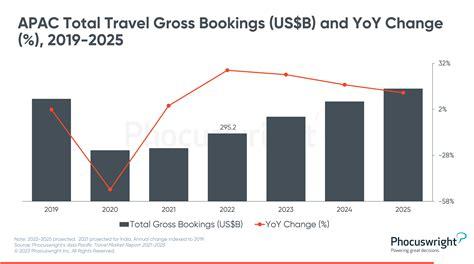
The Asia-Pacific (APAC) region is poised to become a dominant force in the global tourism industry, with spending on international travel expected to soar to a staggering $2.5 trillion by 2029. According to recent data from Euromonitor International, outbound travel from the APAC region is projected to grow at a compound annual growth rate (CAGR) of 7%, further underscoring the importance of this region to global tourism. As APAC’s travelers begin to venture further abroad, the impact is being felt globally, with destinations like Dubai and Saudi Arabia already adopting tailored strategies to tap into this burgeoning market. At the Arabian Travel Market (ATM) in Dubai, top industry experts gathered to discuss the future of travel in APAC, highlighting the region’s increasing appetite for both experiential travel and digital transformation. From the rise of popular culture’s influence on travel to the growing demand for cultural immersion, this panel offered key insights into why APAC is leading the charge in international tourism.
This article explores the factors driving APAC’s tourism boom, including its growing online booking trends, high expenditure per traveler, and the impact of digital and social media platforms. Additionally, we’ll look at how APAC markets are being targeted with localized strategies and what this means for global tourism and destinations worldwide.
Tourism Growth in APAC: What’s Fueling the Surge?
Outbound Travel on the Rise
Outbound travel from the APAC region is expected to see robust growth, driven by increasing disposable incomes, evolving travel behaviors, and greater access to global destinations. As the region recovers from the pandemic, there is a clear surge in demand for travel beyond borders. By 2029, it is predicted that one in three trips made by APAC residents will be outside the region, marking a significant shift in travel patterns. Intra-regional travel remains dominant, with 61% of all APAC trips expected to stay within the region by the end of 2025. However, as more destinations open up and airlines offer expanded international routes, the appeal of long-haul travel to Europe, the U.S., and the Middle East is becoming increasingly evident. This shift is positioning APAC as a key market for international tourism.
Digital Platforms Driving Travel Behavior
Digital transformation is playing an essential role in APAC’s growing tourism sector. In 2025, a whopping 75% of bookings are expected to be made online, with mobile-first planning becoming the standard. The widespread use of digital platforms like TikTok, WeChat, and other social media channels is shifting how travelers discover new destinations and plan their trips. Influencers, viral content, and user-generated content are significant drivers of booking decisions, especially among younger generations. The growing reliance on mobile devices for travel research and bookings means that destinations must optimize their online presence, making it easy for consumers to find information, compare options, and make decisions at the touch of a button. Additionally, the use of artificial intelligence (AI) and digital tools to personalize travel experiences is increasingly popular, providing a seamless and tailored journey for travelers.
Cultural Immersion and Experiential Travel
APAC travelers are increasingly seeking experiences that go beyond traditional sightseeing. The demand for cultural immersion, authentic local experiences, and off-the-beaten-path destinations is reshaping how people choose where to go and what to do once they get there. This trend is particularly evident in markets like China, Japan, and South Korea, where younger generations are prioritizing travel experiences that align with their values, such as sustainability and heritage conservation. Tourism boards in popular destinations are responding to this shift by promoting more immersive, culturally rich experiences that allow travelers to engage with local communities, traditions, and environments. Whether it’s cooking classes in Thailand, traditional craft workshops in India, or immersive cultural festivals in Indonesia, experiential travel is now at the forefront of the APAC tourism boom.
Tailored Strategies for Attracting APAC Tourists
Localization Is Key
In order to cater to the diverse needs of APAC travelers, destinations worldwide are adopting localized marketing strategies. For example, cities like Dubai and Saudi Arabia have realized that one-size-fits-all approaches don’t work when targeting such a vast and varied market. By tailoring messaging and offerings to specific cultural nuances, destinations can enhance their appeal to different APAC countries. Dubai, in particular, has been at the forefront of this trend. With an emphasis on cultural storytelling and market segmentation, Dubai’s tourism authorities are leveraging platforms like Bilibili and Red Note, which resonate strongly with Chinese and Southeast Asian consumers. These strategies, coupled with strong air links via Emirates and flydubai, have helped Dubai establish itself as a top destination for APAC tourists.
The Saudi Arabia Strategy: A Highly Localized Approach
Saudi Arabia, a newer player in the APAC tourism market, is taking a highly localized approach to attract visitors from the region. Recognizing the diversity of the 49 countries in APAC, Saudi Arabia’s tourism authorities are tailoring their strategies to meet specific preferences, from dietary needs to cultural nuances. This level of customization, coupled with partnerships with local media and trade organizations, allows Saudi Arabia to resonate with travelers from across APAC, ensuring that their offerings align with the desires of each market. By studying each source market and crafting targeted campaigns, Saudi Arabia is successfully positioning itself as a desirable destination for both leisure and business travelers from the APAC region.
The Economic Impact of APAC Tourism
High Expenditure: APAC Tourists Lead Global Spending
APAC travelers, particularly from China, are known for their high levels of spending while abroad. In fact, tourists from this region record the highest spend per person per day, with estimates at $300 across accommodation, food, retail, and other tourism sectors. This spending power is reshaping global travel trends, as destinations compete to attract these high-spending tourists. For countries in the Middle East, including Dubai and Saudi Arabia, this influx of high-spending APAC visitors is crucial for the continued growth of their tourism industries. Both destinations have already seen significant gains in tourism revenue from this region and are continuing to refine their strategies to ensure long-term success.
The Future of Tourism Nights: Double the Growth by 2030
According to a report by Tourism Economics, tourism nights from APAC and Africa are set to more than double by 2030. This growth will be particularly evident in the Middle East, where tourism nights from China are projected to increase by 189%. With APAC markets leading the way in terms of business nights, the potential for growth in regions like the Middle East is immense, creating new opportunities for businesses, hotels, and tour operators.
Conclusion: The Future of Tourism in APAC
The Asia-Pacific region is quickly becoming a driving force in the global tourism industry. With increasing digital engagement, high levels of expenditure, and a growing appetite for cultural and immersive experiences, APAC travelers are reshaping the way destinations around the world market themselves. As more travelers from this region venture beyond their borders, the opportunities for international destinations to cater to this demand are endless. By adopting localized strategies, embracing digital transformation, and focusing on experiential travel, destinations can position themselves to tap into the massive growth projected for the APAC tourism market by 2029. The future of global tourism will undoubtedly be shaped by the preferences and behaviors of APAC travelers.