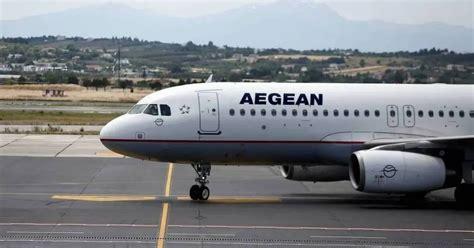
On January 4, 2026, Europe’s air travel network was thrown into disarray following a catastrophic communications failure within Greece’s air traffic control infrastructure. The unexpected collapse of critical radio frequency systems in the Athens Flight Information Region (FIR) led to a complete suspension of arrivals and departures across the country, affecting major international airports and triggering a domino effect of flight delays and cancellations across the continent.
Greece’s Airspace Gridlock: A Crucial Travel Corridor Paralyzed
The outage occurred during the early hours of Saturday, a peak post-holiday travel day when thousands of passengers were heading home after New Year celebrations. The communications blackout forced the immediate grounding of all domestic and international flights within Greek airspace, paralyzing operations at Athens International Airport (ATH) and regional hubs including Thessaloniki and Heraklion.
The Athens FIR is a strategic corridor for intercontinental routes, handling air traffic transiting between Europe, Asia, and the Middle East. With these systems offline, Greece became a void in Europe’s tightly knit air traffic web, compelling aircraft already en route to reroute via neighboring countries such as Italy, Turkey, and Cyprus. Overflight restrictions further complicated the traffic map, forcing airlines into last-minute course corrections that incurred significant delays and operational headaches.
Breakdown in Communication: Inside the Failure
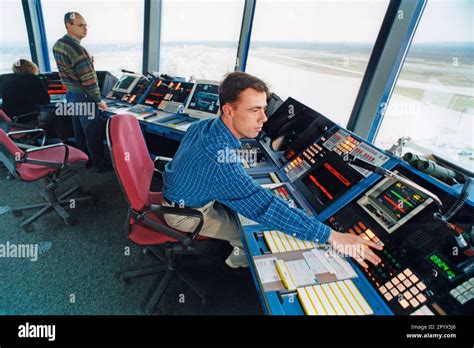
The disruption was traced to a collapse of multiple radio frequencies, the backbone of pilot-controller communication in Greek airspace. Without these frequencies, real-time coordination became impossible. Greek aviation authorities rapidly issued a NOTAM (Notice to Airmen), halting flight movements nationwide while emergency protocols were enacted.
Panagiotis Psarros, chairman of the Greek Air Traffic Controllers Association, remarked to state media, “We have not been informed about the cause of this problem… Certainly, the equipment we have is virtually ancient.”
This stark admission underscores long-standing concerns over Greece’s underfunded aviation infrastructure, where communication systems—some dating back decades—remain prone to failure. Experts point to the lack of modernized redundancy systems as a contributing factor, turning what might have been a local technical glitch into a continental-scale crisis.
Airports Struggle to Contain the Fallout
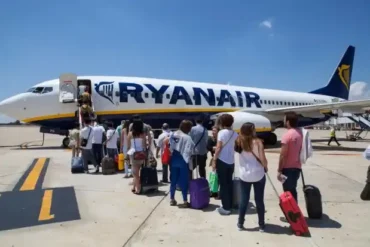
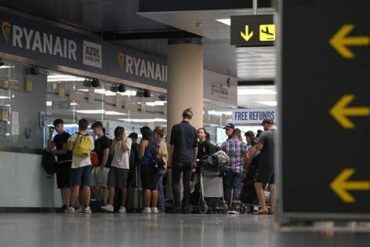
As controllers struggled to restore operations, Europe’s interconnected airports felt the blow. Departure halls brimmed with confused and stranded passengers, particularly in Athens, Thessaloniki, and holiday destinations like Crete. International carriers issued urgent notices, rerouting flights, advising passengers to avoid airports, and attempting to adjust their schedules in real-time.
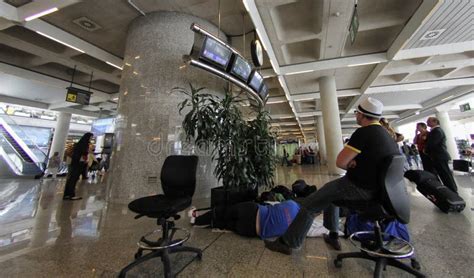
Aircraft already in the sky faced varied fates. Some diverted mid-flight, others continued under manual procedural control, a high-risk contingency wherein pilots operate without direct ATC communication, relying on outdated separation rules. Meanwhile, international flights scheduled to land in Greece were turned back or rerouted, leading to chaos across European skies and overflowing terminals in alternative destinations.
Gradual Recovery Amid Continued Delays
By late afternoon on January 4, technicians managed to bring backup frequencies and alternative systems online. This enabled the partial resumption of departures and arrivals, with Athens airport reporting a slow uptick in flight throughput. Despite progress, average delays hovered around 70 minutes, and capacity remained well below normal throughout the day.
Flights resumed in batches, under reduced scheduling and enhanced safety oversight. Though full operations were restored by the evening, residual delays and disarray carried over into Sunday, as airlines grappled with rescheduling passengers, re-routing aircraft, and absorbing the financial shock.
The Infrastructure Crisis Behind the Chaos
The communications failure highlighted the fragility of Greek aviation infrastructure, which has long suffered from delayed upgrades, minimal investment, and bureaucratic inertia. Aviation unions have repeatedly sounded the alarm over outdated radar systems, insufficient staffing, and the lack of robust fail-safes.
This incident has prompted urgent scrutiny from both national regulators and EU-level aviation authorities, raising questions about the adequacy of Greece’s compliance with EUROCONTROL safety and redundancy standards. Analysts warn that, unless systemic reforms are accelerated, similar outages could recur with devastating effects on European travel logistics.
Broader European Repercussions
The repercussions extended far beyond Greece’s borders. Due to the integrated nature of European airspace, the grounding of a single FIR has a cascading impact on neighboring sectors. Airlines from Germany, the UK, France, and the Netherlands reported disrupted services, as flight paths had to be recalculated around the Greek corridor.
In particular, flights traversing between Western Europe and destinations in the Middle East and Asia faced major rerouting challenges, resulting in extended flight times, increased fuel costs, and missed connections. European aviation hubs—already stretched by winter weather and peak holiday demand—struggled to absorb the diverted flights and stranded passengers.
Regulatory Response and Future Safeguards
In the aftermath, aviation authorities have pledged a comprehensive review of Greece’s air traffic communication systems. The Civil Aviation Authority of Greece is expected to submit a detailed report outlining the fault, response measures taken, and steps for future prevention. Meanwhile, EUROCONTROL is coordinating with affected stakeholders to assess cross-border impacts and ensure that contingency protocols are fit for modern traffic volumes.
Potential corrective measures under discussion include:
- Accelerated modernization of radar and radio infrastructure
- Establishment of real-time monitoring and redundancy layers
- Greater inter-FIR coordination during emergencies
- Increased funding and training for ATC staff and technical teams
The incident has also reopened dialogue around the digital transformation of European airspace, including the adoption of satellite-based communications and AI-supported air traffic management. However, implementation remains years away and is subject to political and fiscal bottlenecks.
Lessons from a Near-Catastrophe
The Greek air traffic communications collapse has become a case study in the vulnerabilities of European aviation systems. It served as a stark reminder that while air travel has evolved rapidly in terms of volume and complexity, infrastructure resilience has not kept pace.
Passengers caught in the fallout expressed frustration over the lack of timely updates and contingency options. Airlines faced harsh criticism for slow rebooking processes and minimal customer support. Yet the bigger picture is institutional: ensuring that national-level failures do not threaten the safety and functionality of a multi-billion euro industry.
As travel resumes and normalcy returns, the incident may soon fade from headlines. But within aviation circles, the shockwaves will endure. The collapse of Greece’s air traffic communications systems in a single morning managed to paralyze a continent, reminding Europe’s regulators and operators alike that safety, continuity, and technological resilience must be prioritized before convenience.