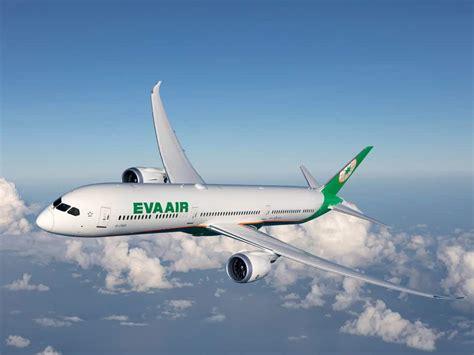
EVA Air occupies an unusual space in global aviation: a carrier celebrated for consistency, refined service culture, and long-haul comfort, yet frequently debated across passenger forums where glowing endorsements mix with fierce criticism. This paradox gives the airline a certain gravitational pull in the travel world. In this article, we explore EVA Air through a deep, in-context lens—balancing its operational strengths, customer experience, cabin products, and recurring pain points—so travelers gain a genuinely informed picture of what flying this Taiwan-based Star Alliance member entails.
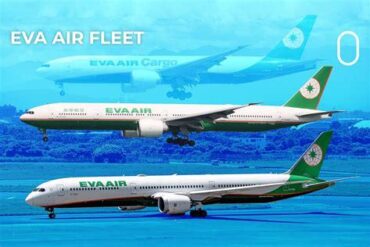
EVA Air operates from Taoyuan International Airport (TPE) and serves nearly 70 destinations, stretching across Asia, North America, Europe, and Oceania. Its fleet consists of modern wide-body aircraft with multi-cabin configurations: Royal Laurel Class on long-haul routes, Premium Laurel or Business Class depending on the aircraft, Elite Class for Premium Economy, and the widely accessible Economy Class available across the network. Through its subsidiary, Uni Air, EVA extends domestic and short-range coverage within Taiwan and nearby destinations.
Despite EVA Air repeatedly ranking well in industry surveys, its 7,500-plus Tripadvisor reviews reveal vibrant contrasts—an airline both admired for its discipline and criticized for service rigidity. That duality forms the heart of this long-form analysis.
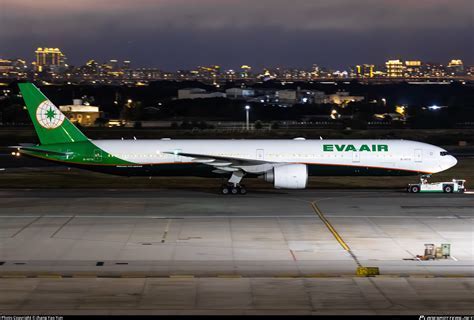
EVA Air’s membership in the Star Alliance enhances its long-haul relevance, especially for travelers connecting between North America and Southeast Asia. Codeshare agreements streamline itineraries, while partner lounge integration adds flexibility. Passengers often regard EVA’s reliability as the backbone of its value proposition: flights tend to depart on time, aircraft maintenance standards remain high, and cabin cleanliness is consistently praised in verified passenger feedback.
The brand identity leans toward understated professionalism rather than flashy marketing. Rather than reinvent itself every few years, EVA Air has cultivated a reputation for quiet competence. This is evident in its stable onboard product, practical cabin design, and emphasis on predictable service protocols.
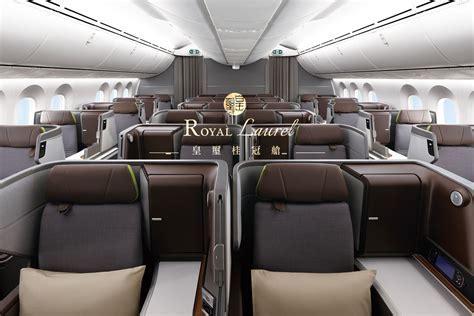
Business Class (Royal Laurel Class): EVA Air’s Flagship Offering
Royal Laurel Class is frequently cited as one of EVA Air’s strongest assets. The cabin design emphasizes privacy, direct aisle access, and a thoughtfully curated inflight experience. The seats convert into fully flat beds, wrapped in subtle green and charcoal tones that reflect EVA’s visual identity.
Passengers highlight the meticulous consistency of meal service, the premium bedding, and the attentive—though protocol-driven—crew style. Where many airlines have shifted toward hyper-personalized interactions, EVA maintains a structured service flow. For some travelers, this translates to seamless professionalism; for others, it can feel impersonal.
Inflight amenities typically include high-quality bedding, mood-appropriate lighting, and an amenity kit featuring branded skincare products. In premium cabins, EVA is well-known for offering pajamas on long-haul routes, a detail that surfaces repeatedly in positive reviews.
Premium Economy (Elite Class): High Value with a Loyal Following
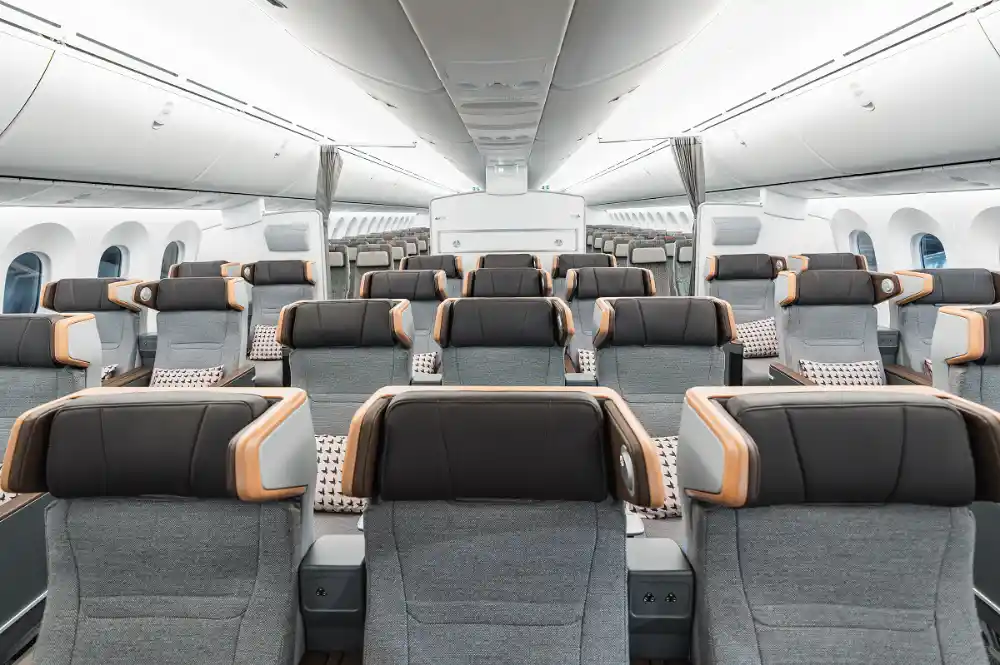
Among global carriers, EVA Air stands out for its Premium Economy product. Many passengers specifically book EVA for this cabin, describing it as a sweet spot between affordability and comfort.
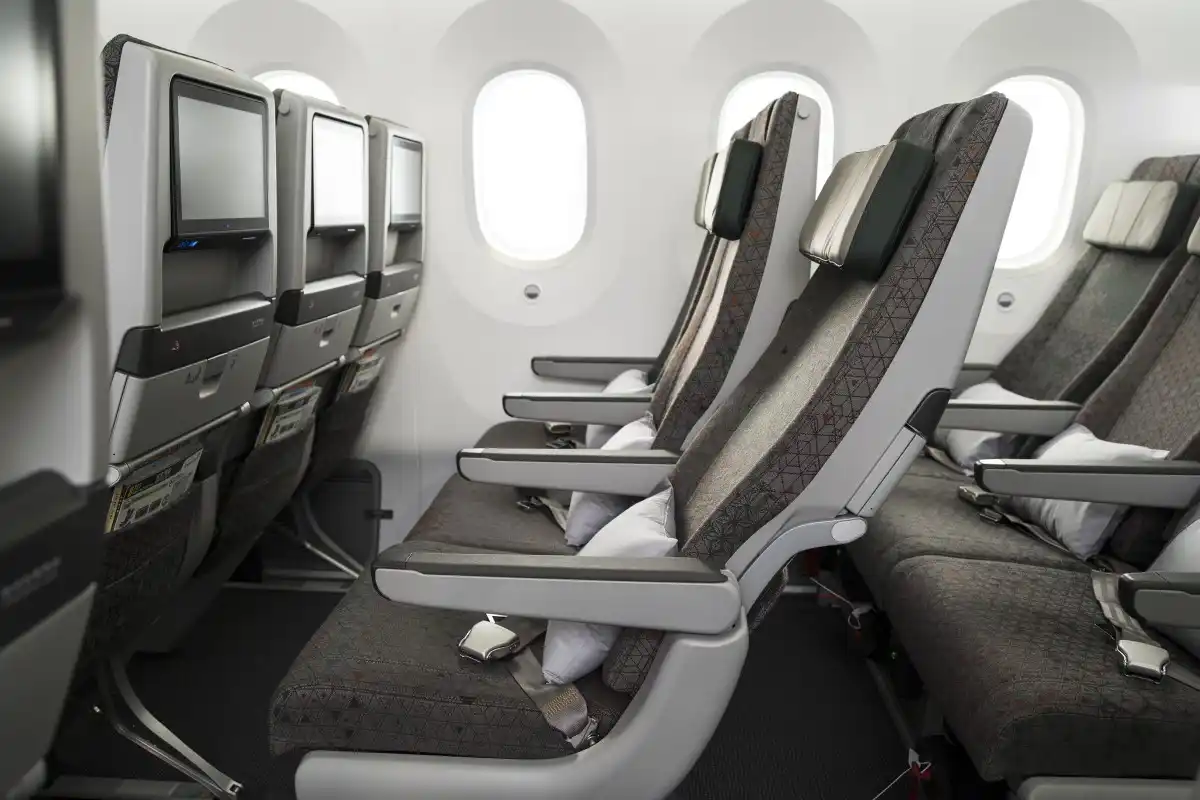
Elite Class offers wide seats, significant recline, and a noticeably more relaxed cabin environment compared to Economy. Travelers frequently note that the legroom is excellent, the tray tables are sturdy, and the bathroom-to-passenger ratio is favorable—especially on long transpacific flights.
Reviews from late 2025 highlight a recurring theme: passengers bidding successfully for Premium Economy upgrades report dramatic improvements in comfort. One traveler detailed how an accepted upgrade bid at CAD 442 transformed a 12-hour overnight journey from cramped to restful—a story that echoes through many testimonials.
Economy Class: Consistency with Notable Variability
EVA Air’s Economy Class is reliable and serviceable, though not without caveats. Seat width is often a point of contention, particularly on flights with dense configurations. Several travelers mention tight shoulder room on certain routes, particularly those served by older Boeing 777 configurations.
The inflight entertainment system is well-curated, with a strong selection of Asian cinema, international films, and multilingual programming. The touchscreen responsiveness varies slightly depending on aircraft age, but overall functionality meets modern expectations.
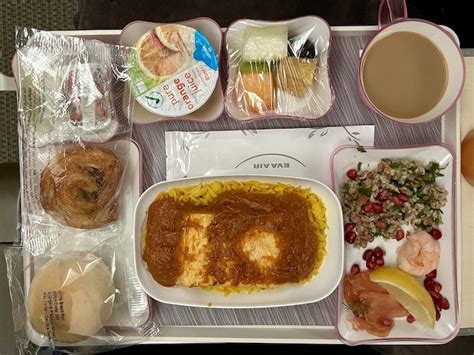
Meal service in Economy receives mixed feedback. Many passengers praise EVA’s food quality above other airlines in the region, while others cite unpredictability—especially in cases involving special meals or food allergies. A 2025 review highlighted a concerning incident where a passenger with dietary restrictions was inadvertently served fish, illustrating a gap in communication that EVA should address.
Passenger Experience: Highlights from Verified Traveler Reviews
EVA Air’s 7,532 Tripadvisor reviews form a mosaic of contrasting experiences. The overall rating sits around 4.0, leaning positive, with a majority praising professional service and dependable comfort. Yet a subset of negative experiences reveals the edges of EVA’s rigid systems.
Many travelers praise the airline for its calm cabin environment, tidy aircraft, and balanced service pace. Passengers often compliment the crew for politeness, particularly on London–Bangkok and North America–Taipei routes. One reviewer described EVA staff as “courteous and willing to help,” recounting how a crew member assisted them through severe travel sickness.
Yet the counterpoint is strong: multiple reviewers describe frustrating interactions where EVA staff adhered strictly to policy even when flexibility might have solved practical problems. The frustration is not with unkindness but with systemic inflexibility.
Recurring Complaints: The Pain Points Travelers Should Know
While EVA Air’s strengths are widely acknowledged, it is equally important to examine the grievances that recur across passenger accounts. These issues, though not universal, reveal patterns that travelers may want to anticipate.
Name correction refusals emerge as a significant frustration in several reviews from late 2025. These incidents involve passengers unable to check in due to minor name typos—sometimes just a single letter—only to find EVA unwilling to correct the error. In at least one case, the refusal resulted in a traveler missing the entire trip.
Seat assignment rigidity is another frequent theme. Several Premium Economy passengers were separated from companions even after paying high fares. One reviewer emphasized the strangeness of being seated apart in a 2-4-2 cabin where seating couples together would seem straightforward.
Long check-in lines occasionally appear in reviews from major hubs such as Vancouver and Bangkok, with some passengers reporting two-hour waits during peak travel periods.
Inconsistent customer service arises in stories where crew interactions escalated unnecessarily. One passenger recounted an incident where they were accused of consuming duty-free alcohol found under their seat and even threatened with police action—an extreme response that soured years of loyalty.
These complaints, while not representative of every EVA Air flight, point to systemic processes that prioritize rules over adaptability.
Why EVA Air Still Maintains a Loyal Global Audience
Even with recurring criticisms, EVA Air retains a solid and passionate fan base among frequent travelers, aviation enthusiasts, and transpacific flyers. Part of this loyalty stems from EVA’s reliability: once onboard, passengers can reasonably expect a calm environment, clean aircraft, comfortable seating (especially in Premium cabins), and polished, if somewhat formulaic, service.
Long-haul travelers appreciate EVA’s consistent cabin climate, quiet cabins, and stable flight schedules. From a hardware perspective, EVA maintains high standards in maintenance, and its aircraft interiors age gracefully compared to many global competitors.
Food quality, while not at Michelin levels, is repeatedly admired for freshness and balanced flavors—particularly on Asia-bound flights where culinary expectations run high.
EVA Air vs. Regional Competitors
EVA Air often competes with China Airlines, Cathay Pacific, ANA, and Singapore Airlines, depending on the route. Passenger reviews frequently compare EVA favorably with British Airways and Thai Airways on London–Bangkok flights, citing cleaner cabins, better aircraft upkeep, and more satisfying inflight service.
In Premium cabins, EVA stands strong against global competitors thanks to seat comfort and inflight amenities. However, in customer-service flexibility, EVA sometimes falls behind carriers that empower staff to resolve edge-case issues more gracefully.
Final Thoughts: Who Should Fly EVA Air?
EVA Air is well-suited for travelers who value predictability, quiet cabins, and premium seating options. Passengers who enjoy a structured, efficient service style tend to rate EVA highly. Travelers who require flexibility, spontaneous problem-solving, or empathetic policy exceptions may find the airline’s rigid procedures challenging.
For passengers booking long-haul flights between North America and Asia, EVA remains one of the most dependable choices—especially in Royal Laurel and Elite Class. For Economy travelers, the experience can range from solid to cramped depending on the aircraft and route.
Ultimately, EVA Air delivers an experience that rewards preparation. Those who plan seat selections early, double-check ticket details, and anticipate a more formal service style tend to have the smoothest journeys.
Its blend of operational stability, refined onboard environment, and elegant premium cabins keeps EVA Air firmly in the upper tier of global carriers, even as it navigates the calls for more flexible customer-care practices. The airline’s story continues to evolve, reflecting both its Taiwan-rooted service philosophy and the dynamic expectations of international travelers.