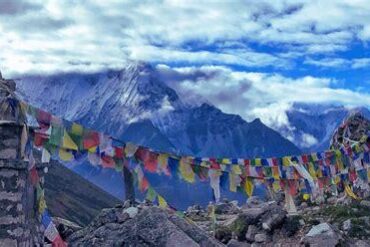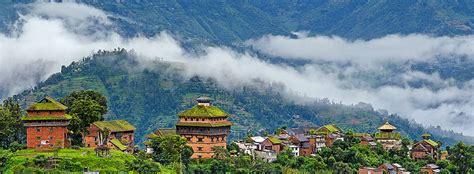
The Chure Hills of Nepal have undergone a significant transformation in recent years, evolving from a serene, ecologically sensitive region into a burgeoning tourist hotspot. Nestled within this mountainous terrain, the towns of Nuwakot and Basantapur have witnessed a dramatic influx of visitors, spurring rapid development and economic growth. This metamorphosis not only highlights the beauty and allure of the Chure Hills but also raises critical questions about the environmental impacts of such swift commercialization.
The Rise of Nuwakot: From a Rest Stop to a Tourist Destination
Once a humble settlement with a handful of houses, Nuwakot has experienced a remarkable evolution over the decades. Historically, it served as a crucial stopover for traders from surrounding regions, facilitating the barter of goods like ghee and salt. The landscape was predominantly characterized by dense forests and a way of life that remained largely untouched. However, with the advent of modern roads and infrastructure, Nuwakot’s role as a rest stop diminished, paving the way for its newfound status as a leisure destination.
In recent years, Nuwakot has blossomed into a sought-after escape, drawing tourists with its tranquil ambiance and breathtaking natural scenery. The surge of visitors has catalyzed the growth of local businesses, as hotels, homestays, and restaurants have emerged to cater to the increasing demand. The development of cable car systems and the construction of blacktopped roads have further enhanced accessibility, attracting both domestic and international travelers eager to explore this once-remote village.
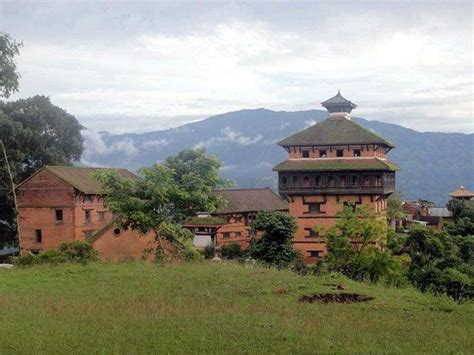
The Emergence of Basantapur: A New Tourist Hub in the Hills
Not far from Nuwakot, Basantapur has also experienced a transformative shift. Renowned for its stunning vistas of Butwal and the surrounding hills, Basantapur has become a favored destination for those seeking relief from the oppressive heat of the lowlands. The introduction of the Lumbini Cable Car, which seamlessly connects Butwal to Basantapur, has significantly bolstered access to this picturesque locale. Visitors are drawn not only by the cool climate but also by the panoramic views, making it an ideal retreat, particularly for tourists from India.
With its growing popularity, Basantapur is undergoing a wave of infrastructural development. Although large hotels have yet to materialize, small eateries established by the existing cable car company provide tourists with opportunities to unwind while enjoying the breathtaking scenery. Plans are underway for the construction of a five-star hotel with an investment exceeding Rs 3 billion, signaling that Basantapur is poised for even greater commercial expansion in the near future.
Growing Commercialization and Its Environmental Impact
The boom in tourism within Nuwakot and Basantapur has sparked significant concerns regarding the environmental ramifications of such rapid commercial development. The Chure Hills, spanning an impressive 800 kilometers across Nepal, are ecologically delicate, characterized by loose sedimentary rocks that are particularly vulnerable to disruption. This region is not only a biodiversity hotspot, rich in dense forests and unique wildlife, but also holds immense importance for environmental conservation.
Despite the rising concerns, local governments and businesses continue to advocate for the rapid growth of tourism. The Butwal sub-metropolis and Tinau rural municipality have prioritized infrastructure development in Nuwakot, focusing on constructing blacktopped roads and enhancing connectivity to the region. The introduction of cable cars, linking Nuwakot and Basantapur to their surroundings, plays a crucial role in this development. However, this progress poses an increased risk of encroachment on the protected areas of the Chure Hills, raising alarms among environmentalists.
Local communities find themselves at the mercy of these developments, often lacking control over the burgeoning tourism infrastructure. Major cable car systems, such as the Lumbini Cable Car and Siddhartha Cable Car, are backed by large private corporations, which frequently disregard accountability to local populations. Consequently, the economic benefits of this development seldom reach the communities most affected by the changes.
Conservation Efforts and the Struggle to Preserve the Chure Hills
The President Chure Terai Madhesh Conservation Development Committee is tasked with the daunting challenge of protecting the Chure Hills while navigating the complexities of development pressures. This government body has been actively working to prevent unregulated settlements and the expansion of infrastructure in sensitive areas. However, its limited regulatory authority hampers its effectiveness, leaving local forest offices responsible for monitoring encroachment. There are growing concerns that the pace of development is outstripping conservation efforts, with environmental experts warning that unchecked tourism and infrastructure expansion could lead to catastrophic consequences.
Increasing human habitation, quarrying, and river exploitation pose serious threats to the fragile ecosystems of the Chure region. Despite the government’s acknowledgment of the area’s vulnerability, development continues unabated. As new projects spring up, the delicate balance between economic growth and environmental preservation hangs in the balance.
New Developments and Challenges in Other Areas of the Chure Region
Beyond Nuwakot and Basantapur, other regions within the Chure Hills—including Gaindakot, Daunne, and Jhingamara—are witnessing similar trends of increased tourism and development. In Gaindakot, the IME Group has invested in the Maulakalika Cable Car, while Daunne has seen the launch of a paragliding project by the Ridi Rapti Group, aimed at attracting adventure-seeking tourists. These initiatives, alongside the emergence of hotels and restaurants, are reshaping the region’s landscape, yet they also raise pressing concerns about the potential environmental repercussions of such rapid development.
Several luxury resorts are also on the horizon, with Pawa Hotel Pvt Ltd planning to construct a five-star hotel in Jhingamara, promising to draw even more tourists to the area. While these developments are anticipated to bolster the local economy, they simultaneously escalate the pressure on the environment and local resources, intensifying the need for sustainable practices.
The Need for Responsible Tourism
As the Chure Hills continue to undergo significant changes, it becomes imperative to safeguard the area’s natural beauty and ecological integrity. Embracing responsible tourism practices is essential to ensure that development does not come at the cost of nature’s well-being. Collaboration among local businesses, environmental protection organizations, and government entities is crucial to achieve a harmonious balance between development and environmental stewardship.
In conclusion, the swift commercialization of Nuwakot, Basantapur, and other regions within the majestic Chure Hills presents both exciting opportunities and daunting challenges. While the surge in tourism has undeniably brought economic benefits to these areas, it simultaneously raises critical questions about the sustainability of such growth. As the foothills of Nepal continue to attract travelers from around the globe, it is vital to reflect on the shared responsibility of all who inhabit and engage with this remarkable region: how best to protect the natural world while ensuring its beauty and resources remain intact for future generations to enjoy.