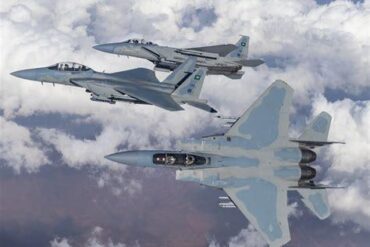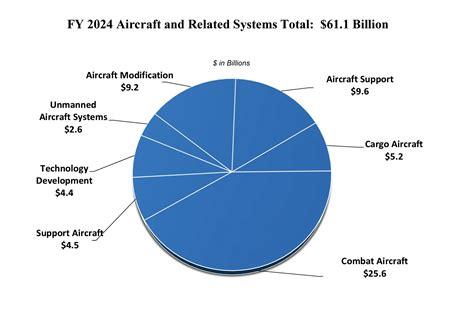
The latest defense spending bill has brought significant victories for tactical airpower, with the F-15E Strike Eagle and F-15EX Eagle II standing out as major beneficiaries. In an era of growing geopolitical tensions and heightened military readiness, lawmakers have allocated an impressive $7.2 billion for tactical aircraft procurement and modernization, signaling a renewed commitment to maintaining air dominance.
F-15EX Eagle II: A Central Pillar of Tactical Airpower Expansion
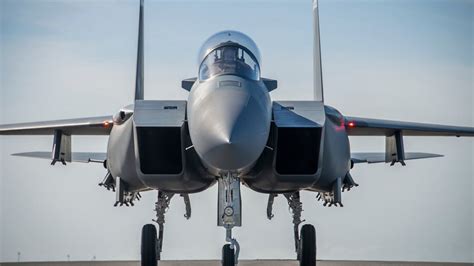
At the heart of this expanded funding lies the F-15EX Eagle II, a formidable air superiority platform recently approved for full-rate production. The new legislation earmarks an additional $3.1 billion to “increase production,” ensuring that this next-generation variant of the venerable F-15 remains a core component of U.S. tactical air forces. Originally slated for a fleet of 98 aircraft, the F-15EX program has navigated shifting procurement targets, previously eyeing 144 jets but constrained by budgetary trade-offs and competing priorities.
While it remains unclear whether this funding is intended to expand the fleet beyond 98 aircraft or merely accelerate existing production, the potential impact is undeniable. Given a unit cost of $90–$95 million per jet, this allocation could theoretically cover 32 to 34 additional aircraft, though infrastructure, personnel, and maintenance costs may reduce the number of airframes acquired. This influx of resources aligns with broader Pentagon goals to maintain a robust air superiority capability in the face of emerging threats from near-peer adversaries.
Preserving the F-15E Strike Eagle Fleet: A Strategic Reprieve
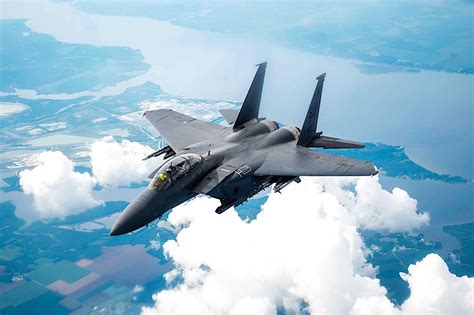
In tandem with bolstering the F-15EX, the bill also provides $127.46 million aimed at preventing the retirement of the F-15E Strike Eagle. The significance of this move cannot be overstated. The Air Force had initially planned to retire 119 of its 281 F-15Es by Fiscal Year 2028, effectively eliminating nearly half the fleet. This proposal sparked immediate pushback from lawmakers concerned about diminishing tactical airpower at a critical juncture.
Previously, the National Defense Authorization Act (NDAA) for Fiscal Year 2025 had already delayed any Strike Eagle retirements until at least October 1, 2027. However, the new funding adds another layer of insurance, potentially enabling the Air Force to sustain, upgrade, and maintain these aircraft rather than deeming them too costly or obsolete to operate. Importantly, the F-15Es targeted for divestment primarily relied on the older Pratt & Whitney F100-PW-220E engines, while 99 remaining airframes with F100-PW-229 engines remained safe for the time being.
The Role of the F-15E in Modern Combat Operations
Despite their age, the F-15Es continue to play an indispensable role in U.S. airpower strategy. Their combination of speed, range, payload capacity, and crewed operation makes them uniquely capable in multi-role missions. With no direct replacement on the immediate horizon—given the F-15EX’s single-pilot air-to-air focus—the Strike Eagle remains the Air Force’s workhorse for deep strike and interdiction missions.
Recent upgrades, including the installation of the AN/ALQ-250 Eagle Passive/Active Warning Survivability System (EPAWSS), have extended the aircraft’s relevance in contested environments. By enhancing electronic warfare and survivability capabilities, the F-15E is better equipped to navigate modern integrated air defense systems, ensuring mission success even in increasingly complex theaters of operation.
Contextualizing the Broader Defense Spending Landscape
The legislative boost for the F-15 platform does not exist in isolation. The bill also channels significant funds into next-generation airpower initiatives, such as $678 million for the F-47 sixth-generation crewed fighter and $400 million for the Collaborative Combat Aircraft (CCA) drone program. Meanwhile, the Navy’s F/A-XX program receives an additional $500 million to accelerate its development timeline.
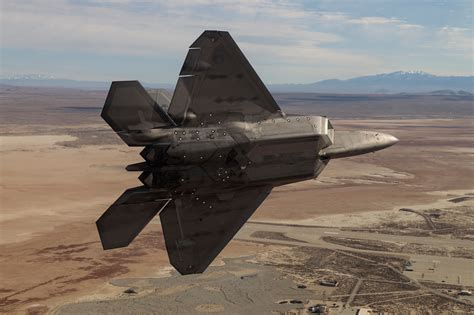
In a parallel effort to preserve legacy capabilities while investing in future platforms, lawmakers allocated $361 million to prevent the retirement of older F-22 Raptors, maintaining valuable stealth and air dominance assets amid modernization debates. This move reflects ongoing concerns that phasing out older jets could create capability gaps that newer, less mature platforms cannot immediately fill.
Strategic Implications and Policy Challenges Ahead
The defense spending bill’s provisions reveal a delicate balancing act between modernization imperatives and force readiness needs. On one hand, accelerating production of cutting-edge systems like the F-15EX and preserving critical legacy aircraft like the F-15E ensures that the Air Force retains sufficient numbers to meet global contingencies. On the other hand, each funding allocation raises questions about sustainment costs, infrastructure demands, and training pipelines required to keep these jets mission-ready over the long term.
Moreover, ambiguities in the bill’s wording—particularly regarding whether funds aim to procure additional F-15EX units or merely speed up deliveries—underscore the need for greater clarity from defense policymakers and the Air Force leadership. Until such details emerge, observers will continue to speculate about the true scope and timeline of these investments.
The Political Dynamics Behind the Bill
Crafted by Republican leaders of the House and Senate Armed Services Committees, the spending package reflects a strategic maneuver within Congress. By utilizing the reconciliation process, proponents aim to expedite passage while minimizing procedural hurdles like filibusters. However, Democratic lawmakers still retain the opportunity to propose amendments before the legislation advances to the House Budget Committee.
This legislative pathway suggests a political calculus that prioritizes defense readiness while seeking bipartisan support for high-profile procurement programs. As military planners assess the global security environment—from competition with China and Russia to regional volatility in the Middle East—the emphasis on tactical airpower aligns with calls for a flexible, capable, and technologically advanced fighter fleet.
Conclusion: A Reinforced Future for U.S. Tactical Airpower
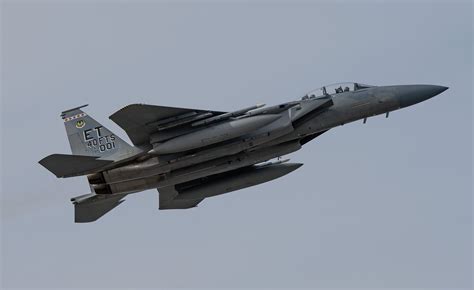
The inclusion of substantial funding for both the F-15EX Eagle II and the F-15E Strike Eagle within the supersized defense spending bill marks a pivotal moment for U.S. airpower strategy. By securing these resources, lawmakers have not only affirmed the value of these platforms but have also extended their operational lifespans at a time when geopolitical uncertainties demand both numerical strength and technological superiority.
As procurement plans evolve and modernization initiatives gain momentum, the Air Force stands poised to sustain a diverse fighter fleet that blends legacy combat-proven capabilities with next-generation innovation. Yet, as always, the ultimate success of these investments will depend on clear policy execution, efficient acquisition management, and the ability to integrate these assets into a coherent operational doctrine capable of meeting the challenges of tomorrow’s battlespace.